Books
Phase
Slavery and Escape on Maryland’s Eastern Shore
c. 1820–1860 CE
During the first half of the nineteenth century, slavery remained deeply embedded in the farms, towns and waterways of Maryland’s Eastern Shore. Enslaved people worked in agriculture, households, shipyards and maritime trades, while free Black communities existed under restrictive laws and constant danger of kidnapping.
Creeks, rivers and the Chesapeake Bay also created routes of communication and escape. Black watermen, free families, religious networks and antislavery allies could provide information, transport and shelter, while slave catchers and traders used violence and law to return or sell fugitives.
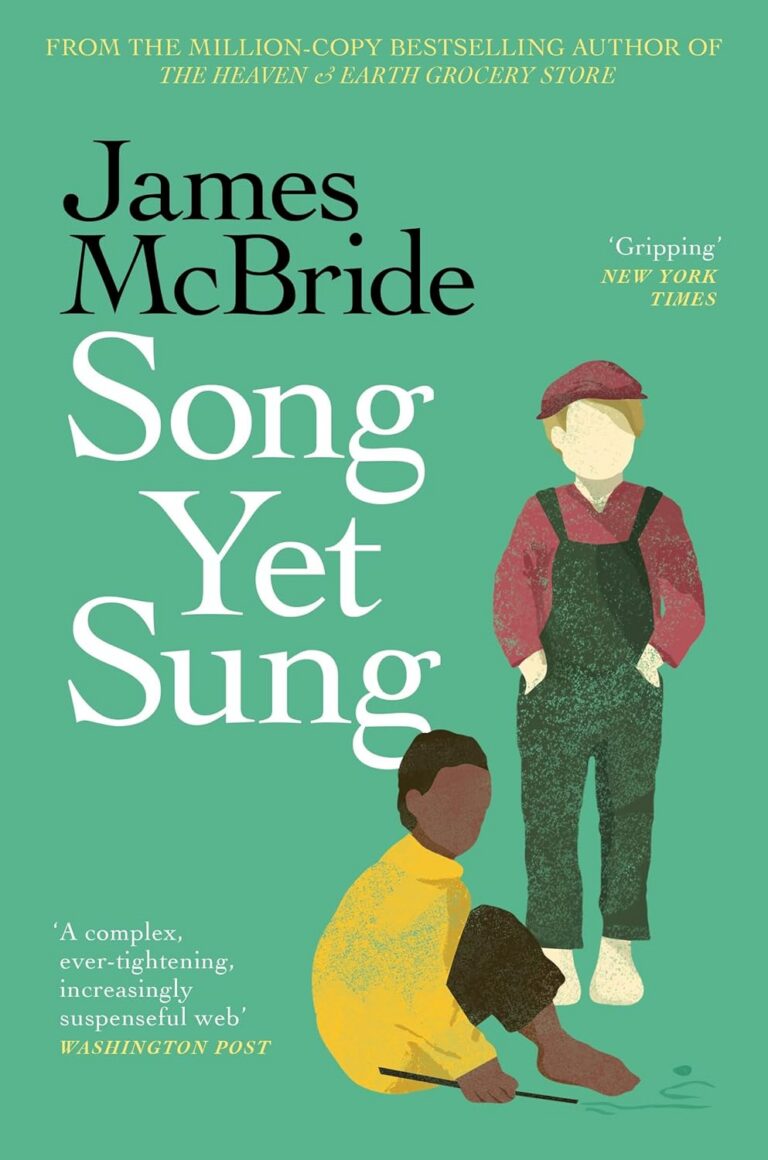
Song Yet Sung follows Liz Spocott’s escape through this landscape in 1850.