Historical person
George G. Meade
George G. Meade was a career United States Army officer who commanded the Army of the Potomac from June 1863 until the end of the American Civil War. He took command only days before the Battle of Gettysburg and directed the Union victory there against Robert E. Lee.
Meade remained army commander during Ulysses S. Grant’s Overland and Petersburg campaigns, although Grant’s presence as general-in-chief often overshadowed his role. After the war Meade continued to serve in the army and supervised military administration in parts of the Reconstruction South.
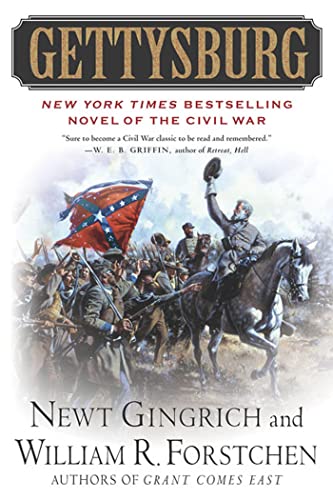
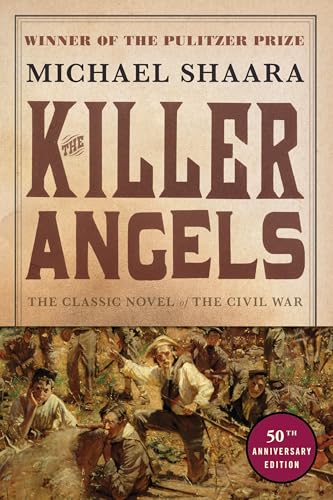
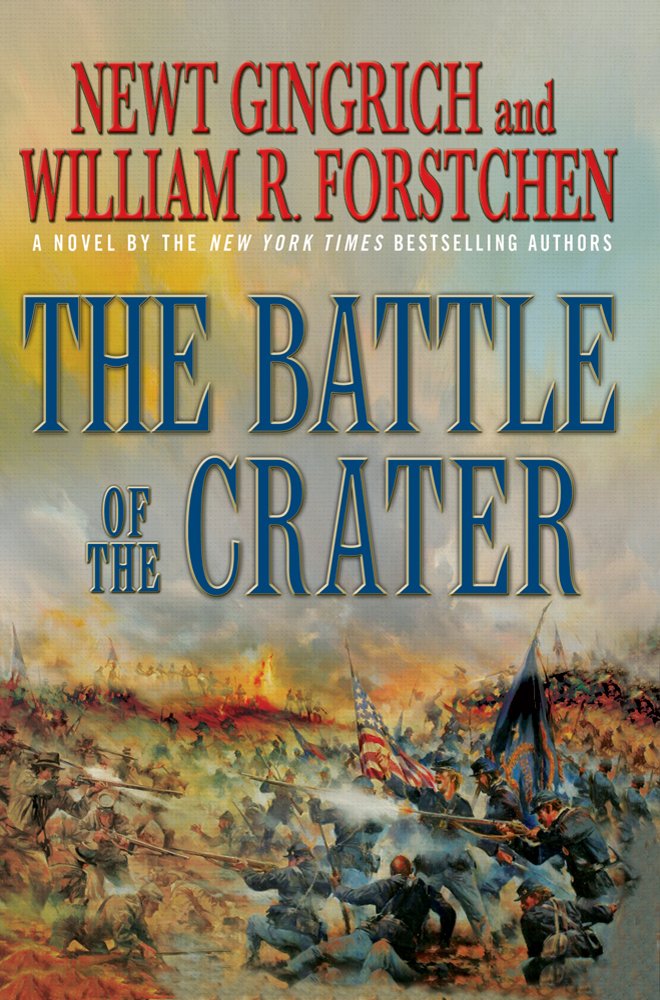
William R. Forstchen and Newt Gingrich’s Gettysburg places Meade at the centre of a counterfactual battle in which Lee’s choices produce a different outcome and the new Union commander must react to an increasingly dangerous strategic situation. Their The Battle of the Crater returns to Meade’s Army of the Potomac during the Petersburg siege and the command failures surrounding the mine assault. Jeff and Michael Shaara’s The Killer Angels gives the classic fictional reconstruction of Gettysburg, balancing Meade’s army command with the decisions of corps and brigade commanders on the field. Captivating History’s The Gettysburg Campaign explains the historical circumstance behind all of these portrayals: Meade replaced Joseph Hooker only days before the battle and had to take control of an army already moving to meet Lee’s invasion.
Standalone books
Standalone books featuring George G. Meade (1 book)
Non Fiction
Non Fiction featuring George G. Meade (1 book)
Biographies, histories and other non-fiction are listed separately from the historical novels above.