
Historical person
Saigō Takamori
Saigō Takamori was a samurai leader from Satsuma who played a major role in the overthrow of the Tokugawa shogunate and the creation of the Meiji government. He helped command imperial forces in the Boshin War and became one of the most prominent figures of the early restoration regime.
Saigō resigned from government in 1873 after losing a policy dispute over Korea and returned to Kagoshima. In 1877 he became the symbolic leader of the Satsuma Rebellion, the largest samurai revolt against the new state, and died after its final defeat at Shiroyama.
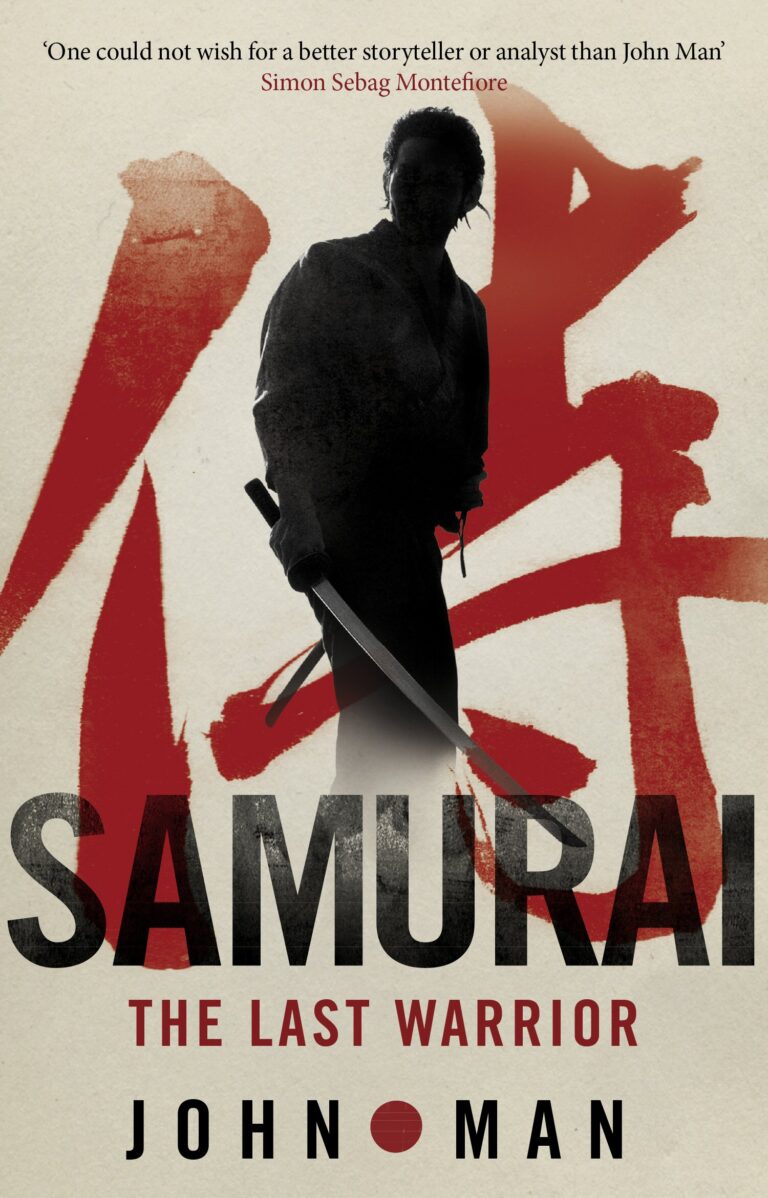
John Man’s Samurai uses Saigō Takamori’s career as the spine of a history of the samurai class at the moment it destroyed the order that had created it. Saigō helps overthrow the Tokugawa shogunate, commands imperial forces and then joins the Meiji government that abolishes hereditary warrior privilege. His resignation and leadership of the Satsuma Rebellion in 1877 provide the book’s climax, allowing Man to distinguish the historical politician and soldier from the later romantic image of Japan’s ‘last samurai’.
Non Fiction
Non Fiction featuring Saigō Takamori (1 book)
Biographies, histories and other non-fiction are listed separately from the historical novels above.