Historical person
Henry Montgomery Lawrence
1806–1857
Henry Montgomery Lawrence served in the Bengal Army and became a senior political administrator in northern India. After the First Anglo-Sikh War he played an important role in the administration of Punjab and gathered around him a group of energetic younger officers later known as Henry Lawrence’s Young Men.
Lawrence subsequently served in Rajputana and as Chief Commissioner of Oudh. During the uprising of 1857 he organised the defence of the British Residency at Lucknow and was mortally wounded during the siege, dying on 4 July 1857.
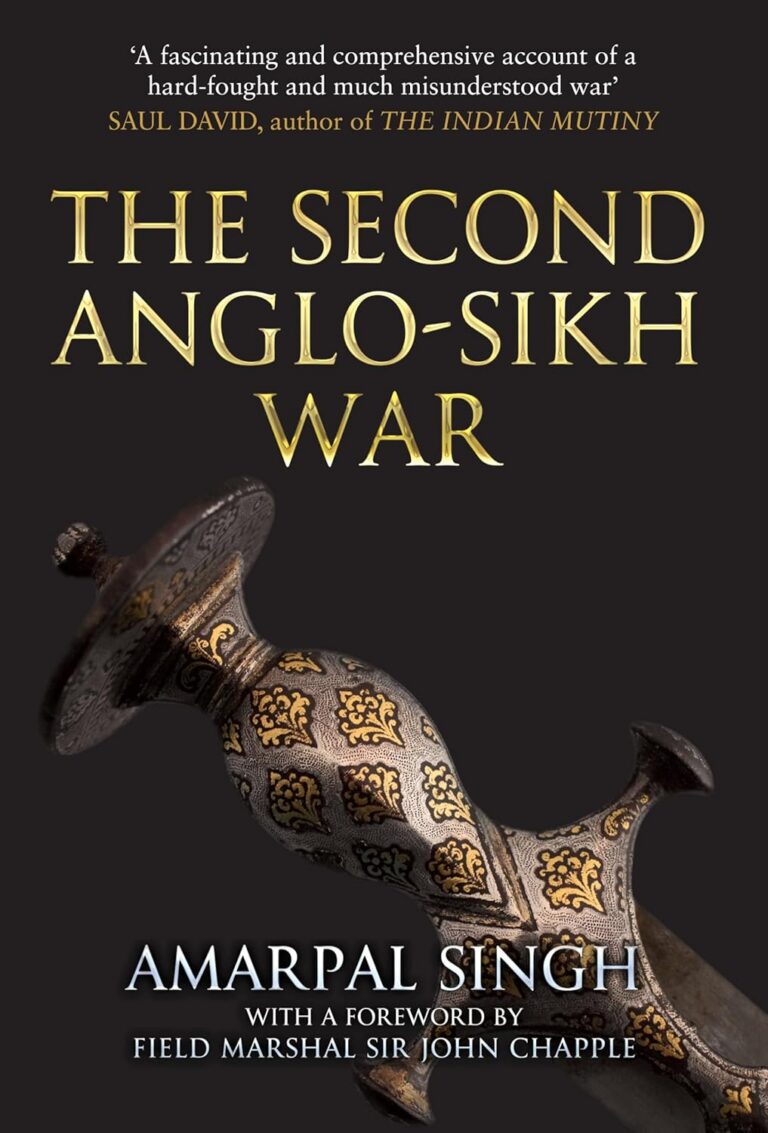
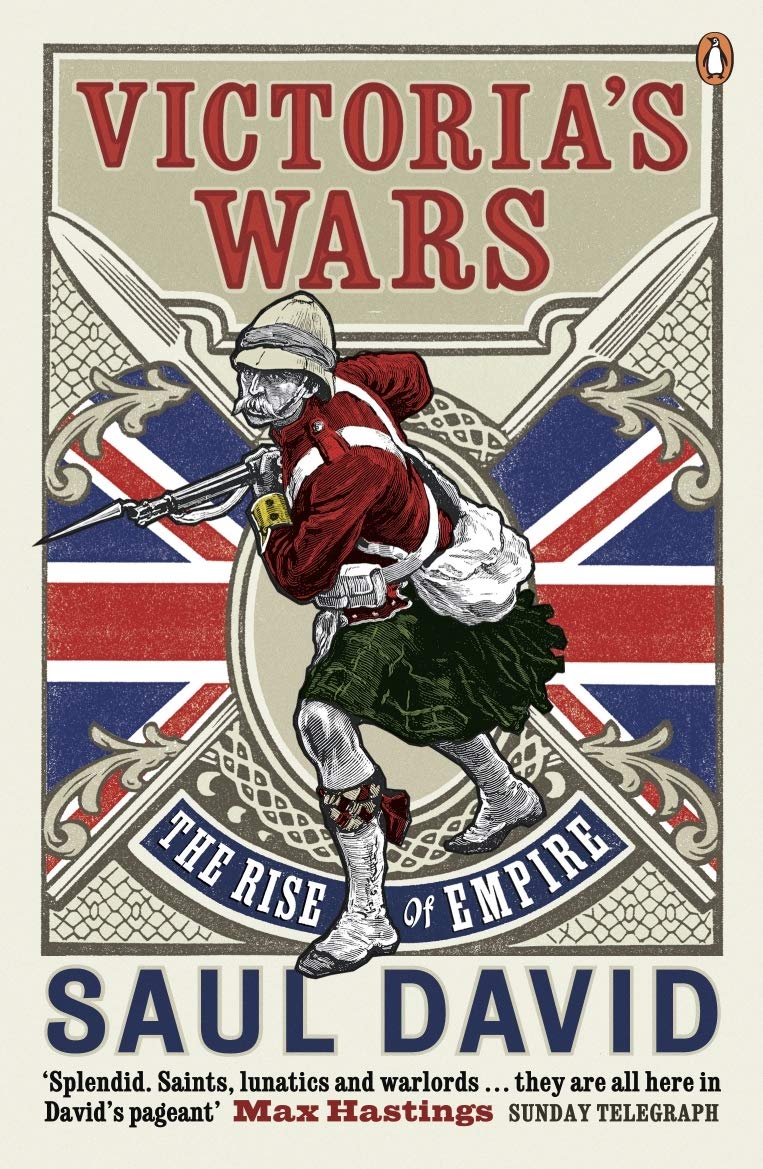
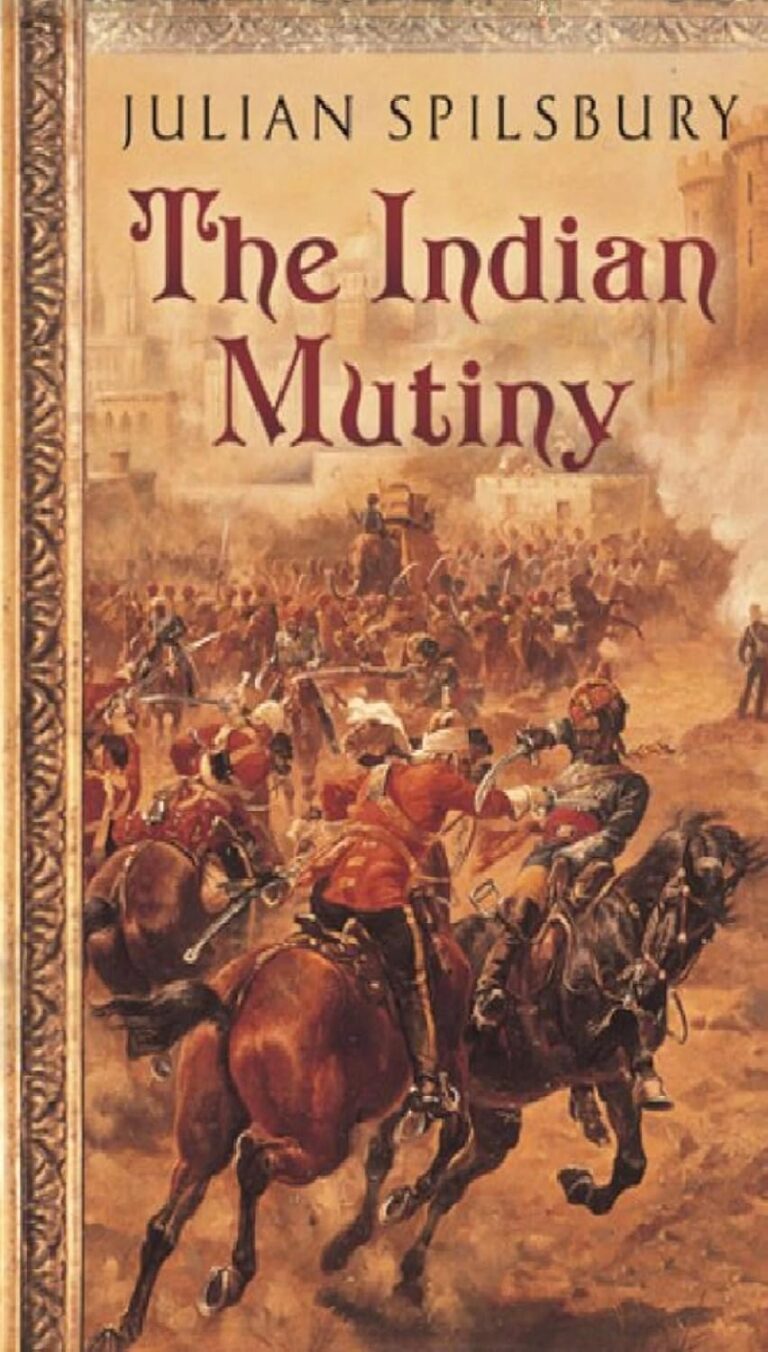
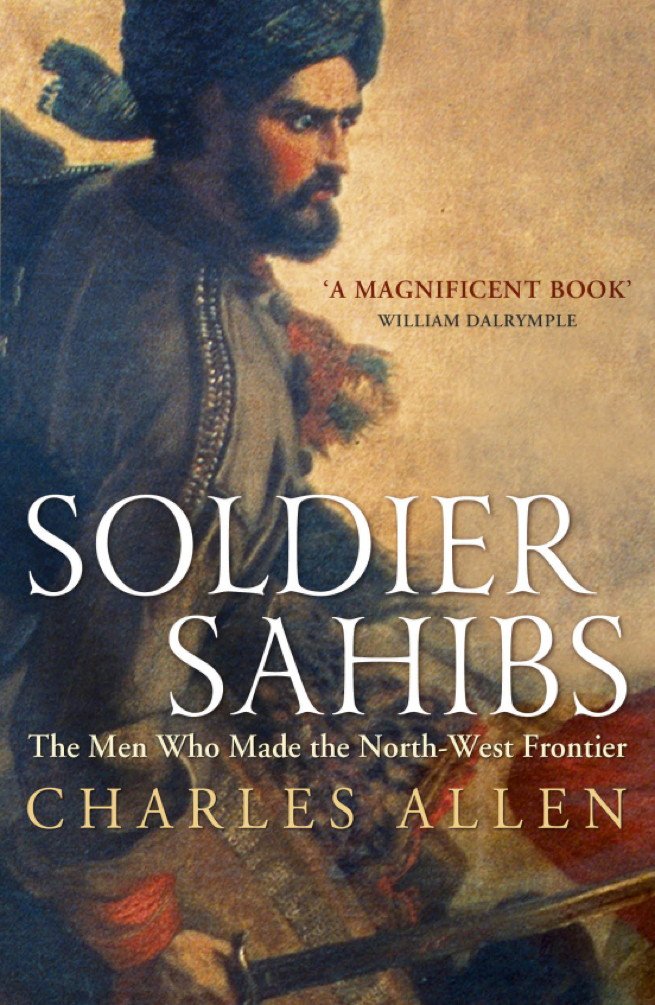
Charles Allen’s Soldier Sahibs places Henry Lawrence at the centre of the group of East India Company officers who fought in the Punjab and then tried to govern the newly acquired north-west frontier through a mixture of political agency, military force and local administration. Amarpal Singh’s The Second Anglo-Sikh War follows the Lawrence network into the crisis of 1848–49, setting Henry and his brother John among the officials whose decisions accompanied the renewed Sikh resistance. Julian Spilsbury’s The Indian Mutiny moves to 1857, when Lawrence’s long experience in north India culminates in his leadership at Lucknow during the opening of the siege. Saul David’s Victoria’s Wars places that career within the broader pattern of Victorian conquest and the military crises through which British rule in India expanded and was violently challenged.
Non Fiction
Non Fiction featuring Henry Montgomery Lawrence (5 books)
Biographies, histories and other non-fiction are listed separately from the historical novels above.