Books

As an Amazon Associate I earn from qualifying purchases. Affiliate disclosure.
Phase
1918–1939
After World War I, large English country houses continued to organise family identity, local influence and seasonal hospitality, but many estates faced heavy taxation, reduced agricultural income and the cost of maintaining extensive buildings and staff. Some houses were sold, demolished or opened to paying visitors, while others survived through marriage, investment or retrenchment.
Domestic servants still made aristocratic comfort possible, although employment alternatives and changing expectations altered relations above and below stairs. The country house therefore embodied both social continuity and instability: inherited privilege was visible, but so were debt, family conflict and dependence on paid labour.
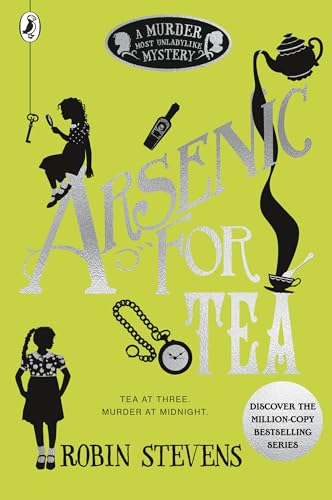
Arsenic for Tea uses Daisy Wells’s home, Fallingford, as an interwar country-house mystery. A birthday gathering traps relatives, guests and servants inside a household where money, marriage and status create motives that the family would prefer to keep private.
Books
Non-Fiction
Histories, biographies and reference works are listed separately from the historical novels above.