Books
Phase
Interwar British Girls’ Boarding Schools
1918–1939
Between the world wars, British girls’ boarding schools ranged from long-established institutions serving wealthy families to newer schools promoting broader academic and professional ambitions for women. Daily life was organised through houses, forms, uniforms, timetables, games and closely supervised dormitories, creating intense communities in which privacy was limited and reputation mattered.
Head girls and prefects exercised delegated authority, while class background, family influence and assumptions about proper feminine behaviour shaped pupils’ opportunities. Schools could encourage independence and friendship while also reproducing social inequality, racial prejudice and rigid expectations about sexuality and adulthood.
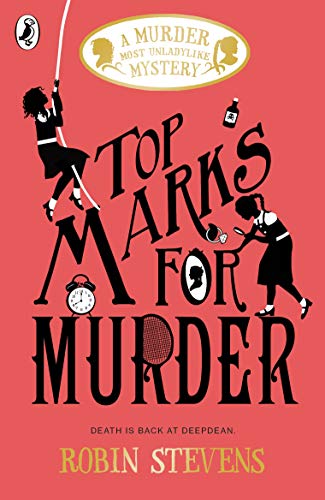
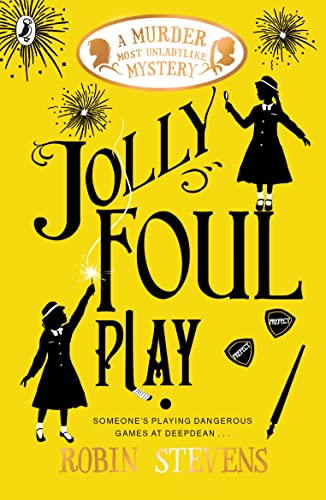
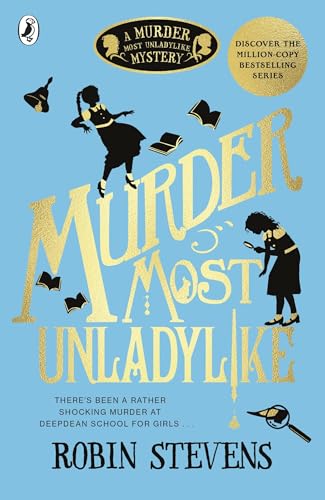
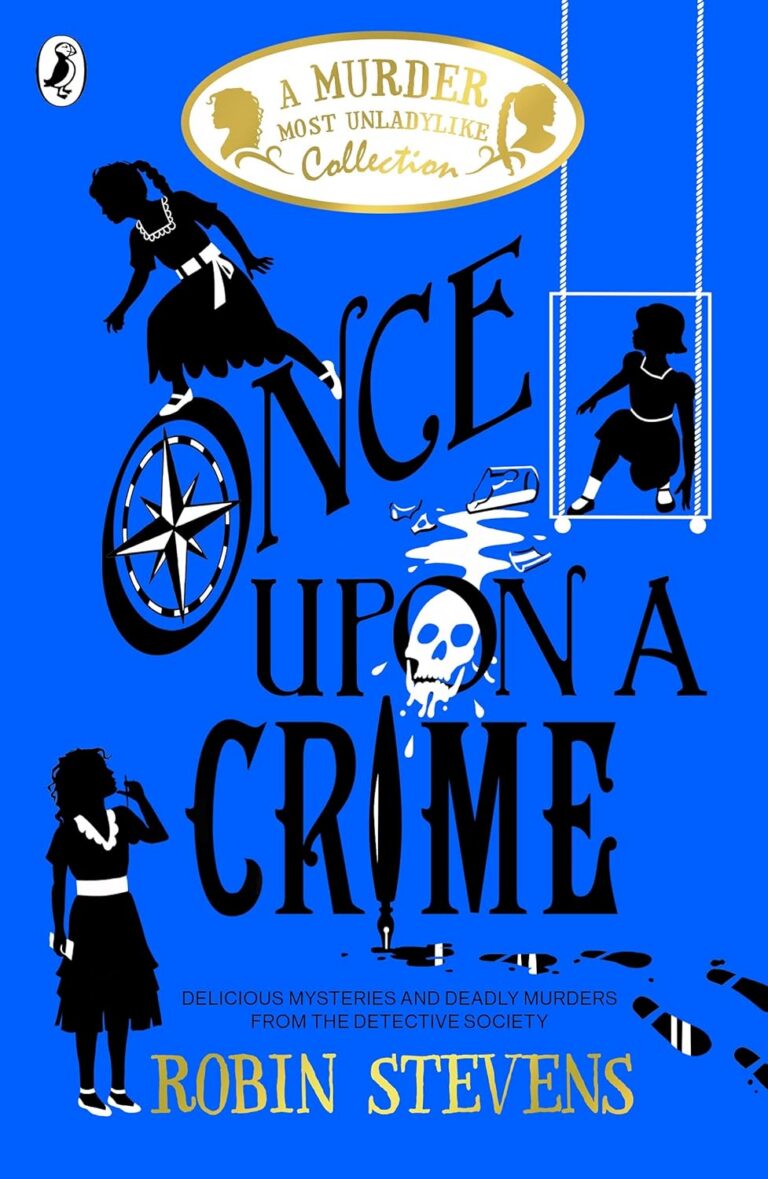
Robin Stevens’s Deepdean novels turn this enclosed institution into a detective setting. Murder Most Unladylike, Jolly Foul Play and Top Marks for Murder use school hierarchy, staff authority, rivalries and hidden passages to show how observant girls can uncover what adults dismiss or conceal.