d. 1069
Robert de Comines (died 1069), also recorded as Robert de Comin or Cumin, was a Flemish or Norman nobleman in the service of William the Conqueror. In late 1068 William appointed him Earl of Northumbria, replacing Gospatric, and charged him with imposing Norman authority on a region where resistance to the conquest remained strong. Robert marched north with several hundred soldiers and reached Durham in January 1069. Bishop Æthelwine of Durham reportedly warned him that the local population was preparing to resist, but Robert continued into the city and allowed his men to occupy it.
The decision proved disastrous. Northumbrian rebels entered Durham and attacked the dispersed Norman troops, killing Robert and most of his force. Contemporary and later accounts describe Robert taking refuge in the bishop’s residence before the building was set on fire; he died during the attack on 28 January 1069. His death demonstrated how insecure Norman control of northern England remained and formed part of the escalating resistance that culminated in William’s brutal Harrying of the North later in 1069–70. Robert has sometimes been described as an ancestor of the powerful Scottish Comyn family, but that connection is not securely established.
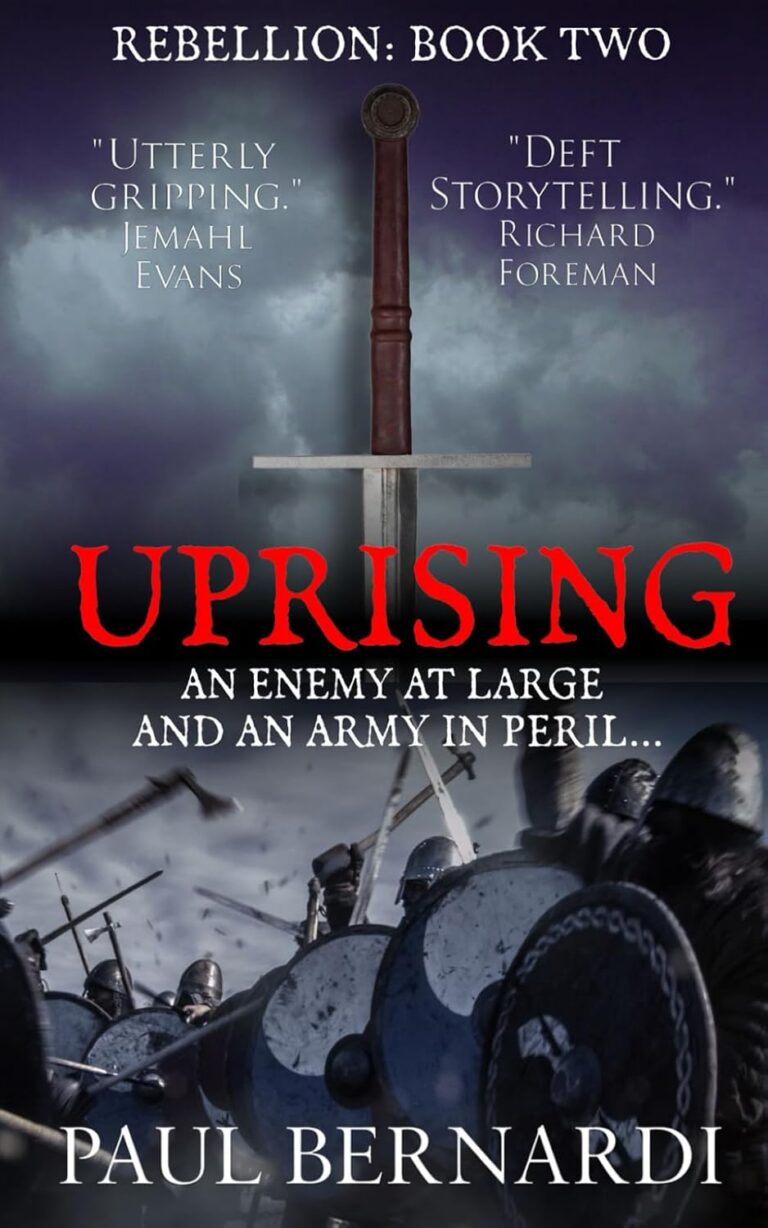
In James Aitcheson’s Sworn Sword, Tancred a Dinant marches north with Robert de Comines and a Norman force sent to impose the new king’s authority. In Paul Bernardi’s The Reckoning, William the Conqueror has lost patience with the region and appoints Robert de Comines as earl, sending him north with a force intended to impose royal authority.