Historical person
Plautus
c. 254–184 BCE
Plautus was the most influential surviving comic playwright of the Roman Republic, active principally in the late third and early second centuries BCE. Traditionally associated with Sarsina in Umbria, he adapted Greek New Comedy for Roman audiences, writing in Latin and exploiting the conventions of mistaken identity, scheming slaves, boastful soldiers, anxious fathers and young lovers. The details of his early life transmitted by later ancient writers are uncertain, and modern scholarship treats many of them as biographical legend rather than secure fact.
Twenty complete plays survive under Plautus’s name, together with fragments, making his work the earliest substantial body of Latin drama to reach the modern world. His comedies are notable for exuberant verbal play, songs, metatheatrical jokes and aggressive reshaping of Greek plots to suit Roman performance. Works such as Menaechmi, Miles Gloriosus and Aulularia influenced Renaissance and early modern comedy; Shakespeare’s The Comedy of Errors, for example, draws heavily on the twin-confusion structure of Menaechmi.
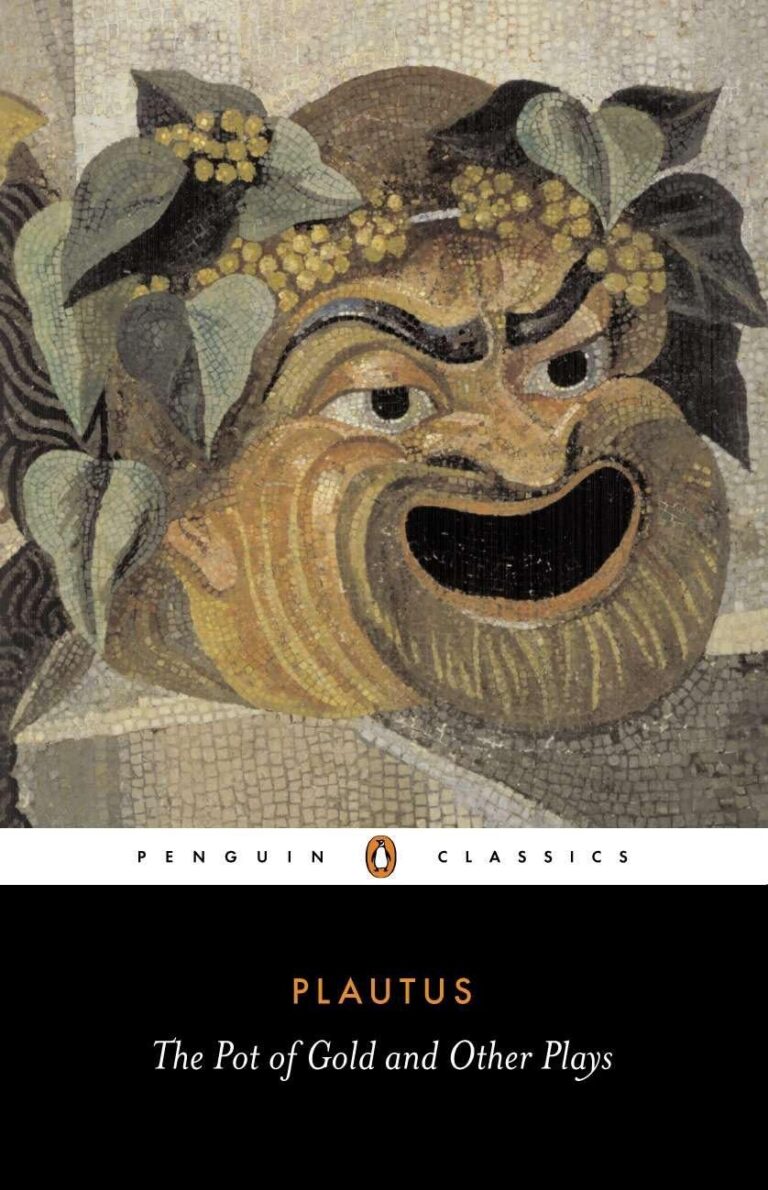
The Pot of Gold and Other Plays presents Plautus through his surviving comedies rather than through a later fictional portrait. The collection shows the stock characters, rapid plotting, wordplay and social inversion that made Roman comedy durable, while Aulularia centres on the miser Euclio and his hidden pot of gold, a comic situation that influenced later European drama.
Standalone books