Lewis Wetzel was an American frontiersman, scout and hunter associated with the upper Ohio Valley during the violent border warfare of the late eighteenth century. Born in 1763 into a settler family, he grew up amid recurring conflict between expanding Euro-American settlements and Indigenous peoples defending their lands. Family tradition held that he was captured by Native warriors as a youth and later developed exceptional skill in woodland travel, tracking and marksmanship.
Wetzel became notorious for killing Native Americans, sometimes outside recognised military operations or immediate self-defence, and his actions made him controversial even among contemporaries. Later frontier literature transformed him into a heroic “Indian fighter,” obscuring the broader context of dispossession and retaliatory violence on the Ohio frontier. He was repeatedly associated with militia and scouting activity but resisted regular discipline. Wetzel eventually travelled south and died near Natchez in 1808, leaving a reputation shaped as much by legend as documentation.
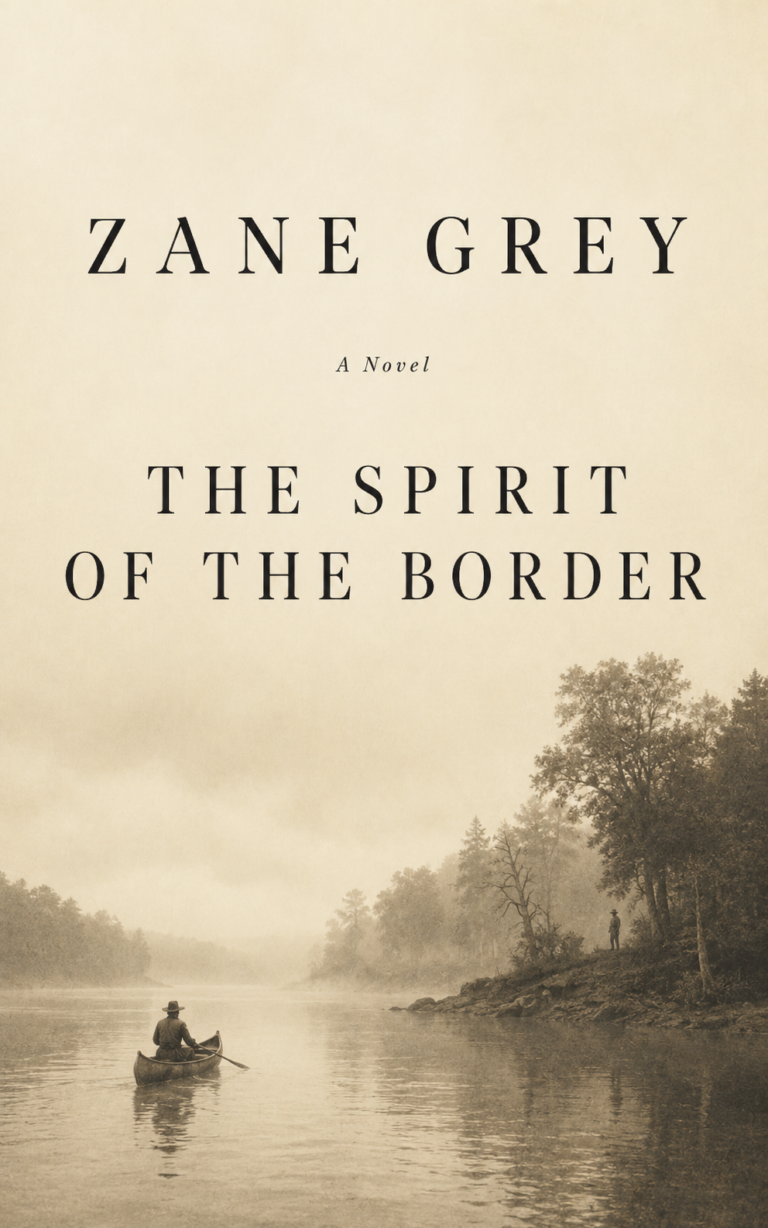
Zane Grey’s The Spirit of the Border makes Lewis Wetzel the relentless borderman moving through the violent Ohio frontier alongside missionaries and settlers, embodying a cycle of pursuit and retaliation rather than the novel’s religious mission. In The Last Trail, Grey again uses Wetzel as an experienced woodsman and fighter whose tracking skill and uncompromising hostility to enemies shape the frontier action around the younger fictional protagonists.