Jamukha was a Mongol aristocrat, early companion and anda, or sworn brother, of Temüjin. Their alliance broke down as they competed to unite the steppe, with Jamukha representing powerful traditional lineages and Temüjin attracting followers through a new distribution of rank and reward.
After years of warfare Jamukha was betrayed by his own men and delivered to Temüjin. The Secret History says he requested a bloodless noble death. Jamukha held the title of emperor.
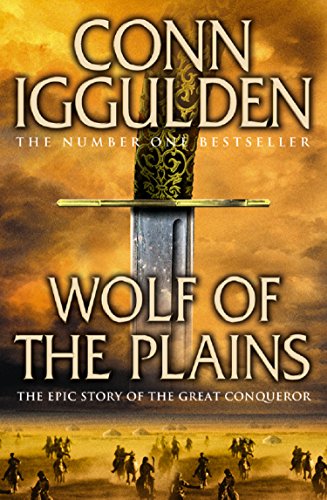
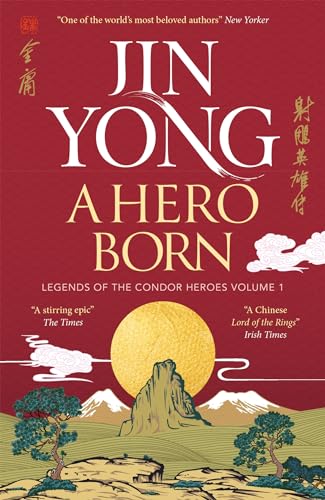
In Jeanne Blanchet’s Forger of Empire, after his father’s death leaves the family abandoned by its followers, he learns that survival depends on discipline, political judgement and an ability to inspire loyalty. His marriage to Börte, her abduction and rescue, and his shifting brotherhood with Jamukha draw him into the rivalries that will determine control of the tribes. In Conn Iggulden’s Wolf of the Plains, after his father is murdered, the young Temujin and his family are expelled from their tribe and abandoned on the Mongolian steppe. Survival hardens him, while captivity, blood feuds and the kidnapping of Börte teach him how vulnerable any family remains without allies. Temujin begins drawing outcasts and warriors to his side, but his growing power sets him against his former blood brother Jamukha and points towards the unification of the Mongol tribes. Further fictional perspectives on Jamukha can be found in Jin Yong’s A Hero Born.