Giambattista della Porta was a Neapolitan scholar, playwright and experimenter whose work ranged across natural philosophy, optics, cryptography, agriculture and theatre. Born in 1535, he belonged to an educated family and developed a reputation for collecting observations, demonstrations and practical techniques. His best-known early work, Magia naturalis, treated ‘natural magic’ not simply as occult practice but as the investigation of hidden properties and effects in nature, combining inherited learning with experimentation and technical recipes.
Della Porta founded an informal academy devoted to investigating natural phenomena and later became associated with the Accademia dei Lincei. His writings discussed lenses, the camera obscura, distillation, magnetism, plant cultivation and secret writing, although some claims mixed careful observation with the credulities of his age. Church authorities scrutinised aspects of his activity, and his academy was closed. He also wrote successful comedies. His career illustrates the porous boundary in Renaissance Europe between learned magic, practical experiment, literature and the emerging methods of early modern science.
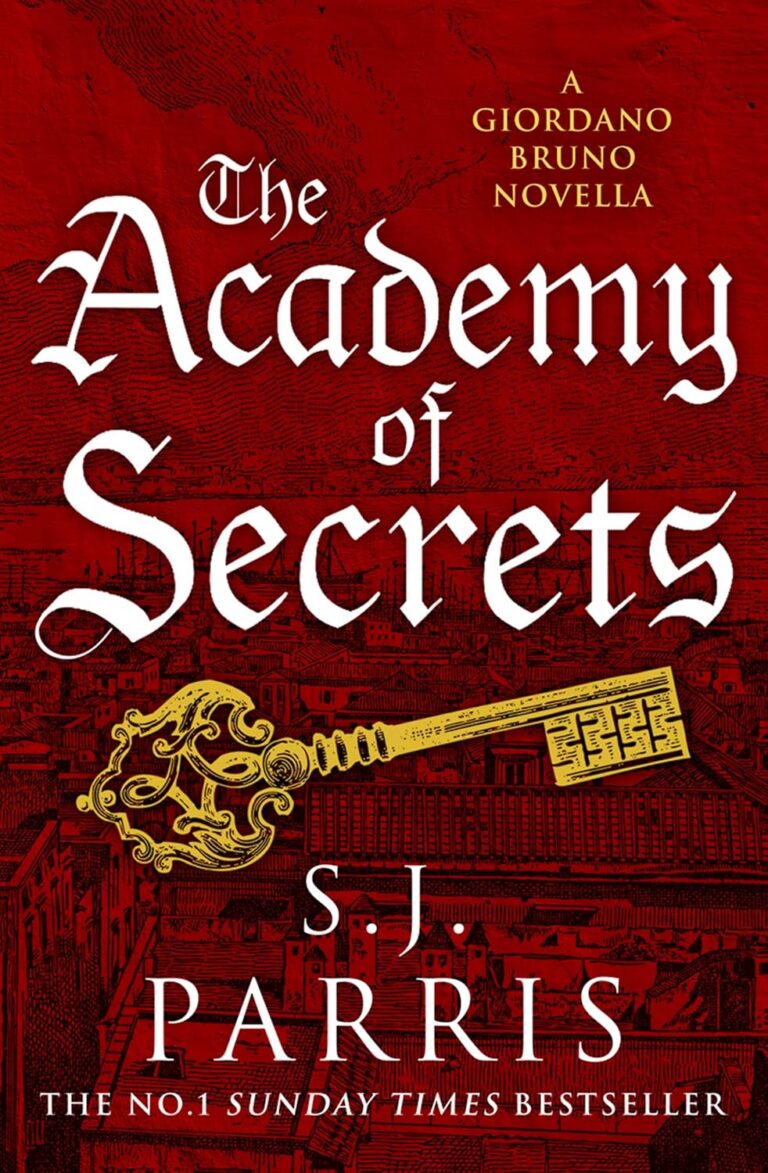
In S. J. Parris’ The Academy of Secrets, The young Dominican Giordano Bruno is invited into the private academy of Giambattista della Porta, where scholars test new ideas in natural philosophy, memory and the hidden properties of the world.