Elizabeth Paston was a fifteenth-century English gentlewoman whose life is unusually visible through the Paston Letters. Born in Norfolk in 1429 to the lawyer and judge William Paston and Agnes Berry, she grew up within a family rapidly consolidating wealth, land and social position. Her letters and references in family correspondence reveal the pressures surrounding gentry marriage: as a young woman she resisted several proposed matches, and a surviving report describes severe physical punishment by her mother during one prolonged dispute over marriage.
In 1458 Elizabeth married the Yorkist Sir Robert Poynings and had a son, Edward. Poynings was killed at the Second Battle of St Albans in 1461, leaving her a widow during the Wars of the Roses. She later married Sir George Browne, with whom she had further children; Browne was executed in 1483 for involvement in rebellion against Richard III. Elizabeth survived him and managed property and family affairs until her death in 1488. Her experience shows how national political violence repeatedly entered aristocratic and gentry households.
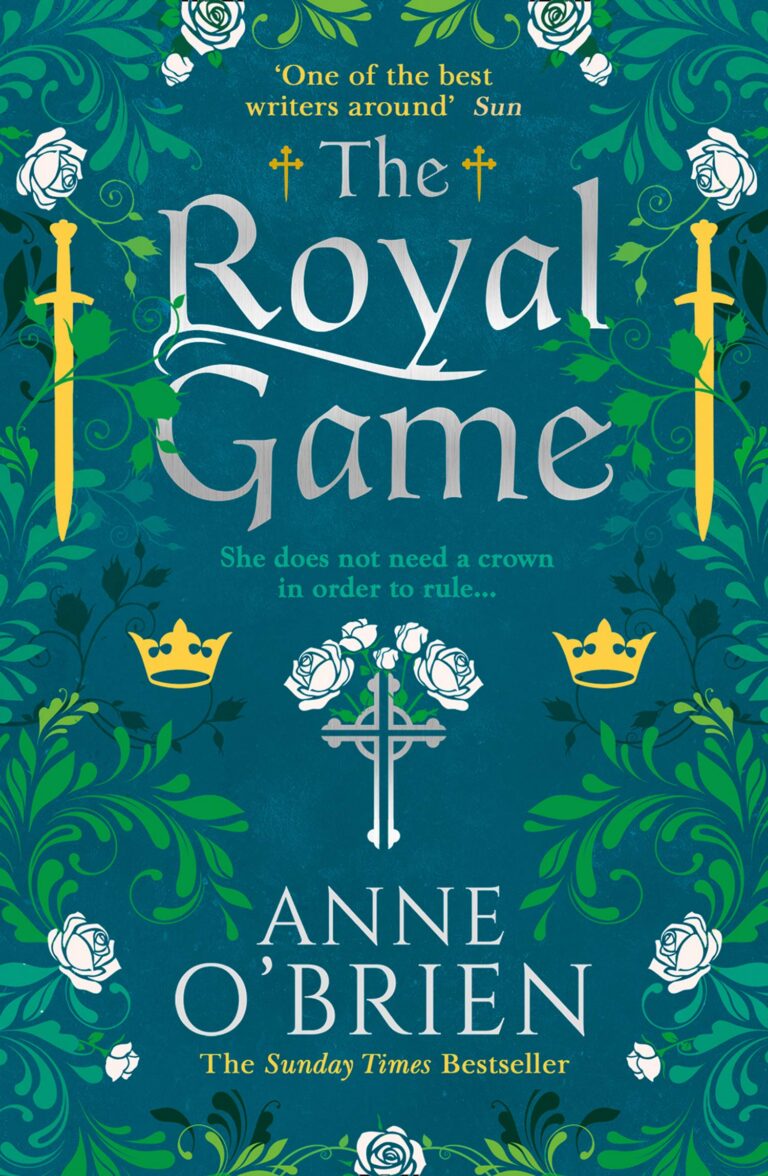
Anne O’Brien’s The Royal Game draws Elizabeth Paston into the struggle of a rising Norfolk family to secure land, marriages and political protection as Henry VI’s government weakens. Elizabeth’s marriage prospects are treated as family strategy rather than private choice, reflecting the pressures preserved in the Paston letters. Alongside Margaret Paston and Anne Haute, she shows how women’s negotiations inside households were inseparable from the legal disputes, property violence and dynastic calculations of the Wars of the Roses.