Ahmad al-Mansur became sultan of Morocco in 1578 after the Battle of the Three Kings, in which his brother Abd al-Malik and the invading Portuguese king Sebastian both died. Ruling from Marrakesh, al-Mansur strengthened the Saadi court, sponsored architecture and scholarship, and used the wealth generated by trade, ransoms and taxation to support an ambitious monarchy. His reign is associated with the El Badi Palace and with Morocco’s increased diplomatic weight in both Mediterranean and African politics.
Al-Mansur balanced relations with the Ottoman Empire and European powers while treating Habsburg Spain as a major strategic rival. His government cultivated commercial and diplomatic links with Elizabethan England, and in 1591 Moroccan forces crossed the Sahara and defeated the Songhai Empire, extending Saadi influence toward the Niger. In 1600 he sent Abd el-Ouahed ben Messaoud to Elizabeth I’s court to pursue closer cooperation against Spain.
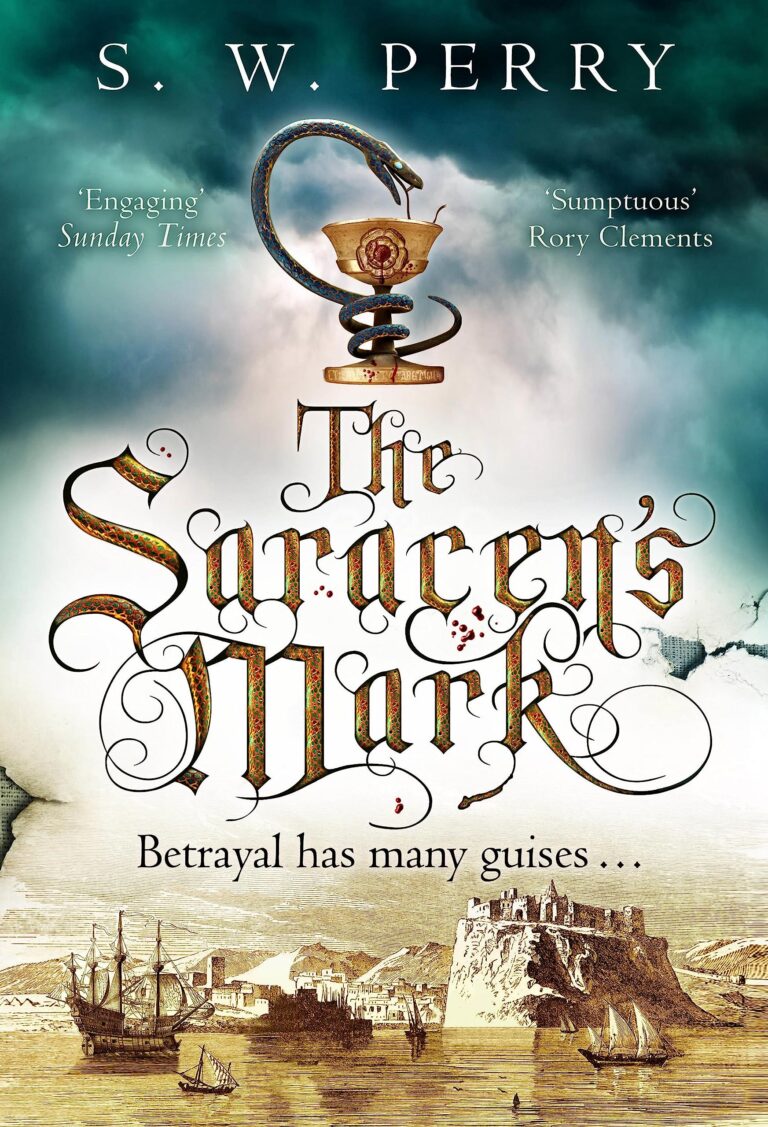
In S. W. Perry’s The Saracen’s Mark, Nicholas Shelby’s mission to Marrakesh unfolds within al-Mansur’s Morocco and a conspiracy directed against the existing regime. The sultan and the Anglo-Moroccan relationship give the novel its political framework while allowing Perry to explore medicine, trade and intelligence beyond Elizabethan England.