Books
Phase
Nineteenth-Century European Opera Culture
c. 1850–1900 CE
By the middle of the nineteenth century, opera houses were major urban institutions in European capitals and provincial cities. Their auditoriums displayed wealth and social rank, while elaborate scenery, costumes, orchestras, choruses and stage machinery turned performance into a combined musical and visual spectacle. Chandeliers and bright auditorium lighting also made attendance an occasion for spectators to observe one another as well as the stage.
Behind the proscenium stood a less visible community of singers, dancers, musicians, dressmakers, carpenters, stagehands and children employed around rehearsals and performances. The contrast between public glamour and precarious backstage labour made the opera house a concentrated version of nineteenth-century class hierarchy, discipline and artistic ambition.
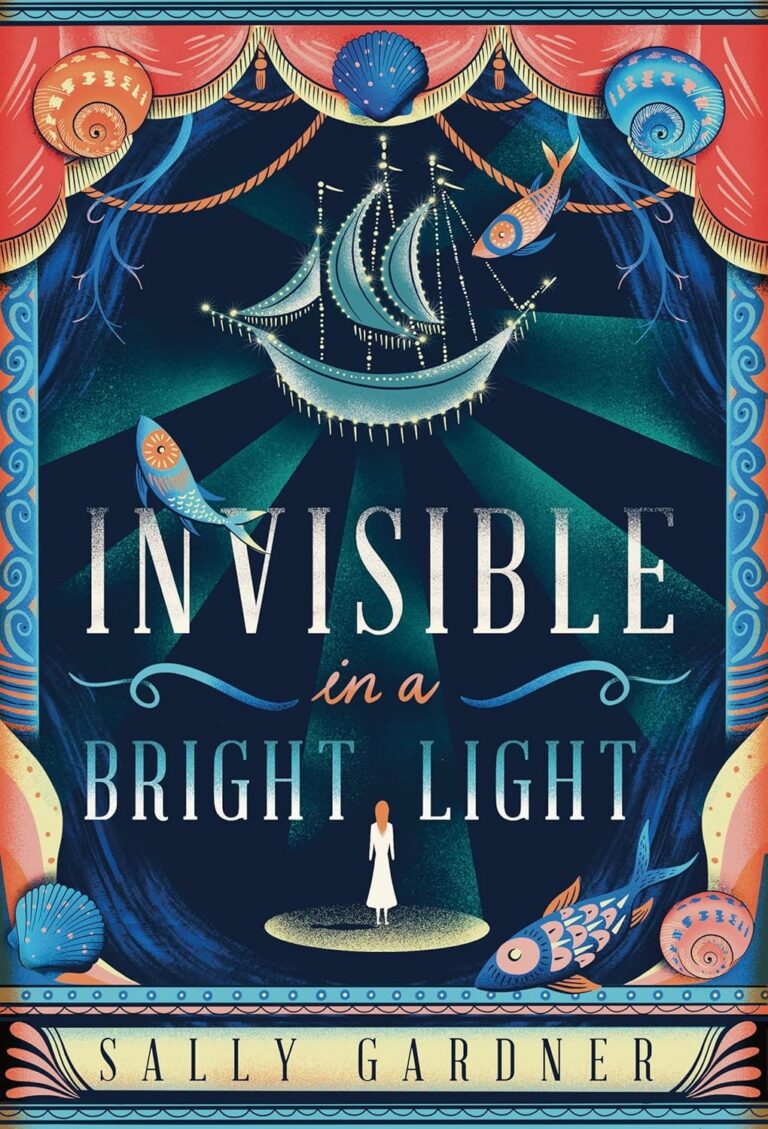
Invisible in a Bright Light uses an invented Royal Opera House in 1870 as the setting for its mystery of memory and identity. The falling ship-shaped chandelier, costume rooms and crowded backstage passages transform the material culture of opera into a historical-fantasy world in which illusion can conceal both exploitation and forgotten lives.