From the eleventh century onward, many towns grew through trade, craft production, markets, episcopal power, and royal or noble patronage. Cathedrals and large churches required skilled labour, money, stone, timber, glass, and long-term organisation. Urban growth created new opportunities but also sharper conflict over rights, guilds, taxation, and jurisdiction.
This phase matters because medieval life was not only rural and feudal. Towns created merchants, builders, lawyers, apprentices, clergy, and civic leaders with interests distinct from the nobility. Cathedrals became statements of faith, wealth, competition, and technical ambition.
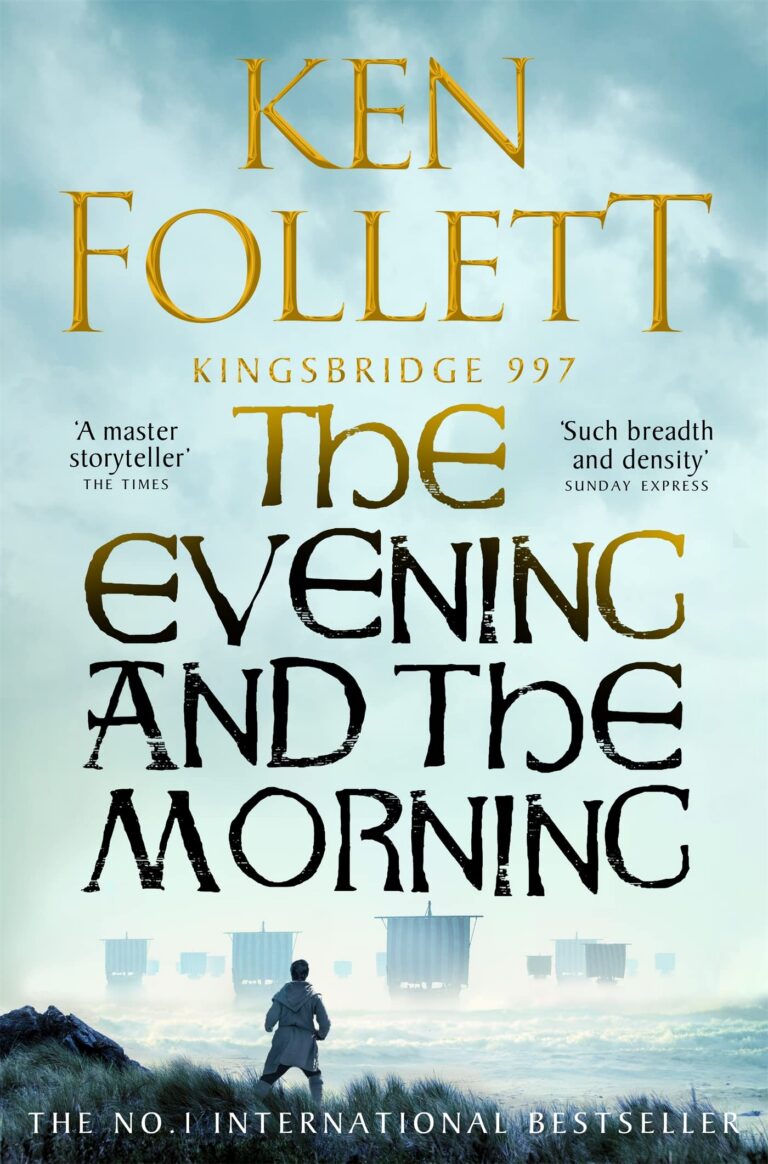
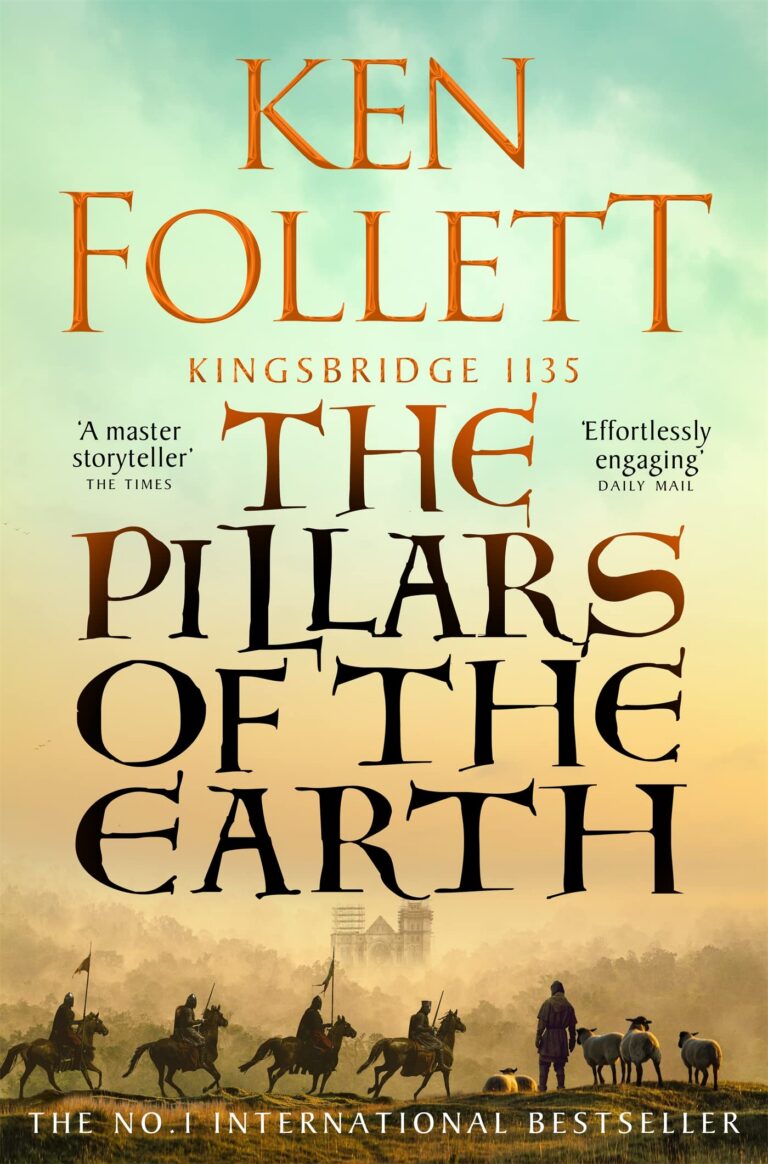
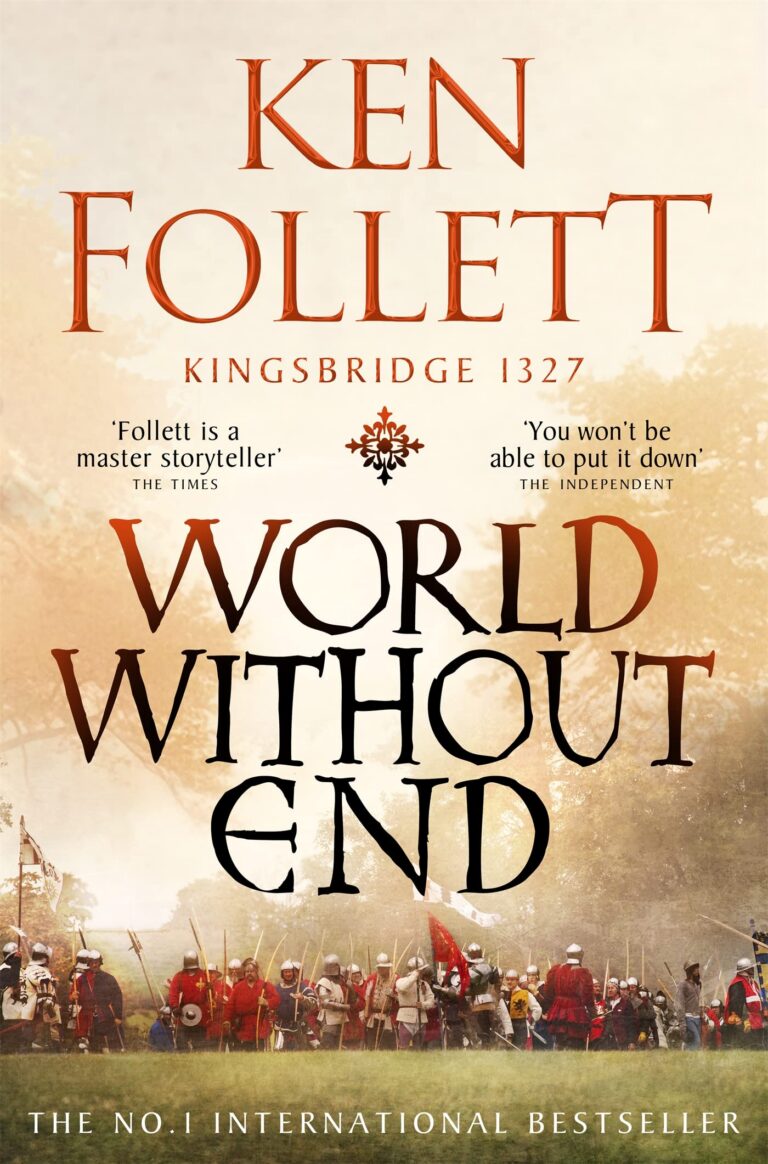
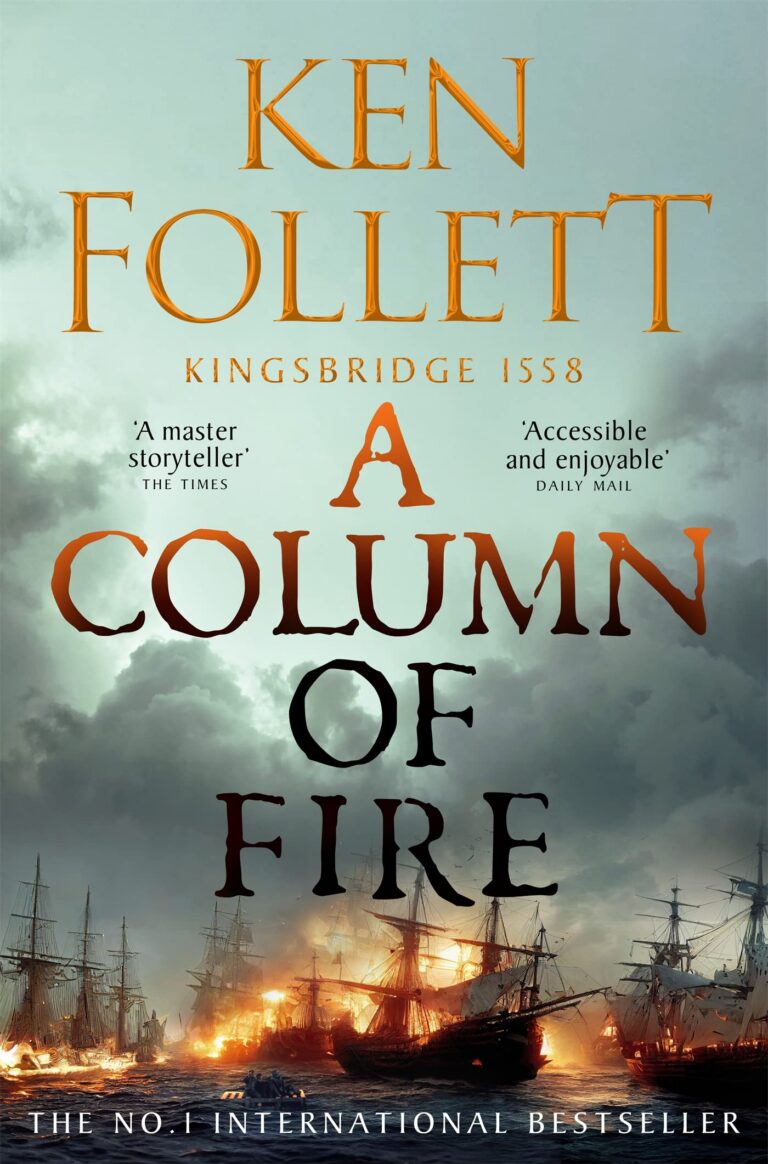
Ken Follett’s Kingsbridge series, especially The Pillars of the Earth and World Without End, is the clearest fiction model for cathedral-building and town development. Elizabeth Chadwick and Ariana Franklin also use towns, courts, and professional lives in high medieval settings. This material suits long family sagas, builders, masons, merchants, ambitious clergy, and civic rivalries.