Books
Phase
Late Colonial Nigeria
1945–1960
Between the end of the Second World War and independence, Nigeria experienced rapid urban growth, expanding education, labour activism and mass nationalist politics. Constitutional reforms transferred increasing responsibility to Nigerian ministers while preserving decisive colonial control.
Lagos became a centre of government, commerce and a growing professional class. Regional parties, ethnic associations and improvement unions connected local obligations to national competition, while the colonial civil service offered status but retained inherited inequalities and bureaucratic habits.
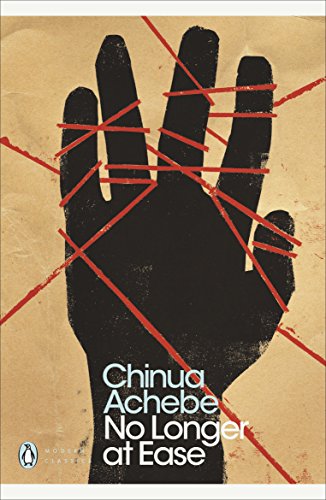
No Longer at Ease uses this setting to examine the generation educated for national leadership before independence. Its concerns with bribery, debt, social mobility and divided loyalties emerge from the institutions and expectations of the late colonial state.