Books
Phase
Communist Czechoslovakia & Dissident Opposition
1948–1989
The Communist Party took control of Czechoslovakia in 1948 and established a Soviet-aligned political system characterised by one-party rule, censorship and extensive state security surveillance. The reform movement of the Prague Spring in 1968 was crushed by Warsaw Pact invasion, after which the regime pursued a period of political 'normalisation' and renewed restrictions.
Opposition continued through underground culture, religious networks and dissident initiatives including Charter 77. Musicians, writers and intellectuals were monitored, banned from professional life or imprisoned, while contact with foreigners could attract suspicion from the security services. By the mid-1980s Prague combined an outwardly stable public order with persistent unofficial resistance.
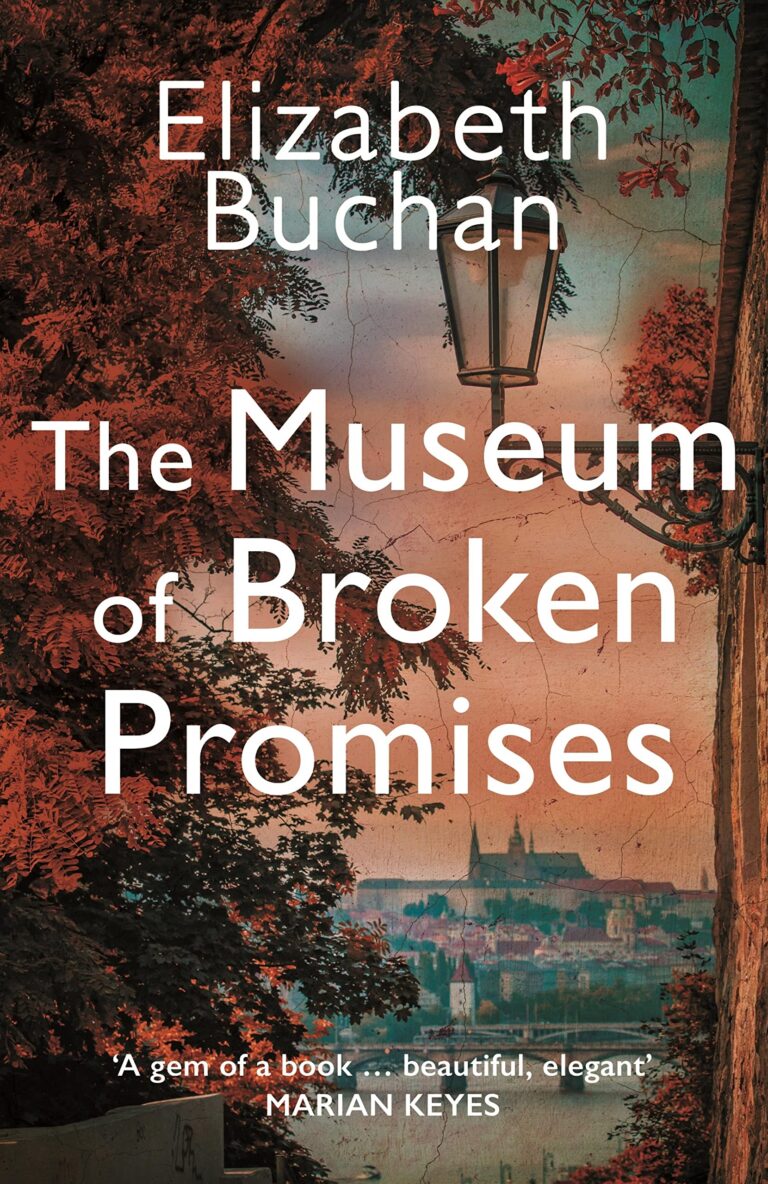
Elizabeth Buchan’s The Museum of Broken Promises places a major strand of its story in Prague in 1985, where Laure becomes involved with a young dissident musician. The context provides the political framework for the novel’s themes of surveillance, compromised loyalties and the personal cost of opposition.