
Book
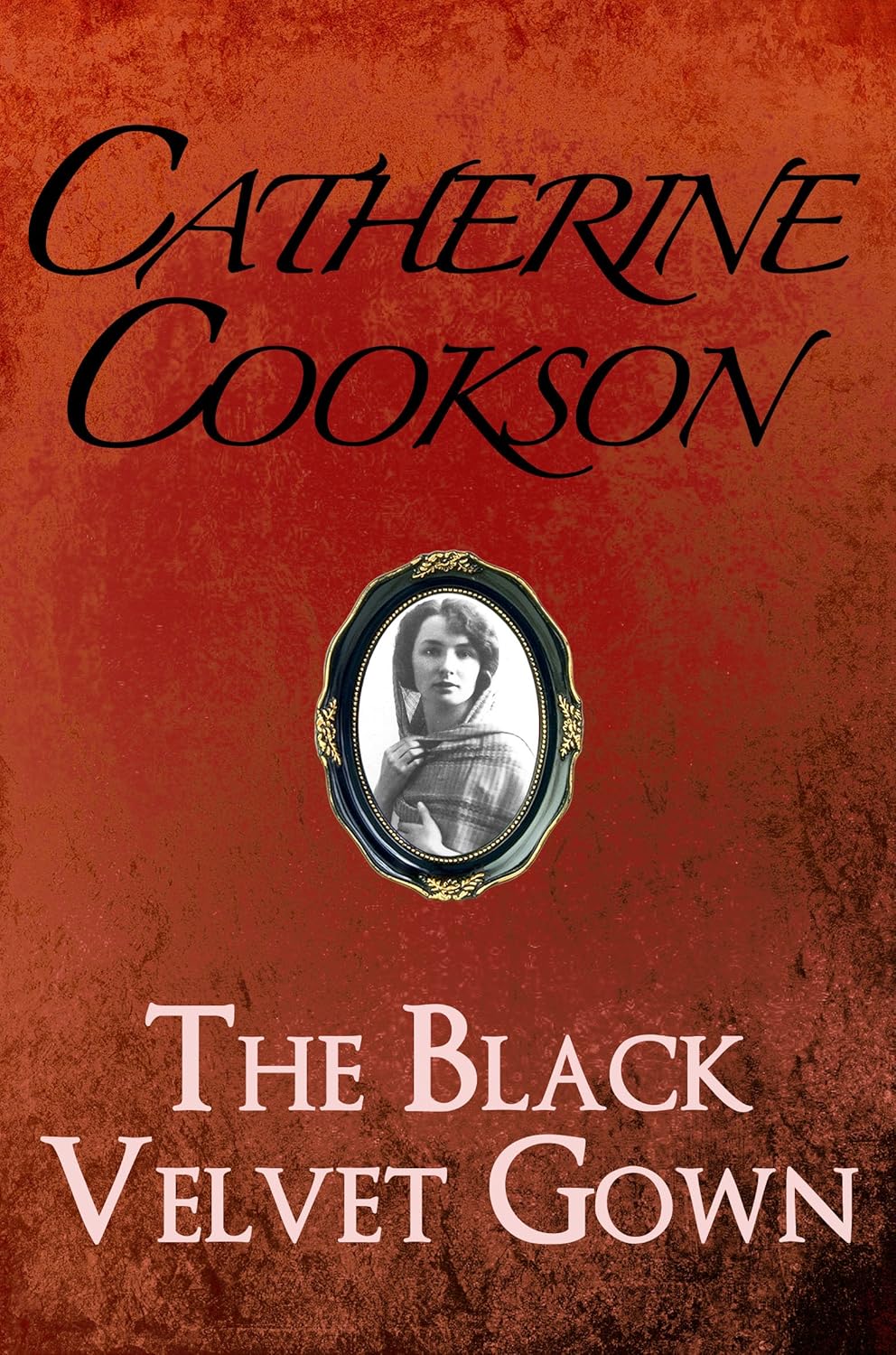
The Black Velvet Gown
In 1830s County Durham, widowed Riah Millican must support her children after the death of the husband who taught the family to read and write. The education intended to improve their lives is regarded with suspicion by employers, but it helps Riah secure work in Moor House with a scholarly recluse devoted to books.
The intellectual freedom of the house has its greatest effect on Riah’s clever and strong-willed daughter Biddy. Opportunities that should open doors instead provoke class prejudice and conflict between mother and daughter, requiring both women to challenge the limits placed on education, work and female independence.
Literacy is central because it offers the Millicans access to worlds that their employers expect to remain socially closed. Biddy’s education increases aspiration faster than opportunity, making knowledge both liberation and source of conflict. The novel uses a working-class household to show how nineteenth-century arguments over self-improvement collide with a class system that does not necessarily reward the abilities it encourages.
Historical Periods
More from this period
5 more top-rated novels about Early Victorian Britain
Ranked by rating and voting volume; books already shown on this page are omitted.

More by the author
Other books by Catherine Cookson
Discover more
Authors similar to Catherine Cookson
Recommended from shared genres and periods.
 Lesley Pearse
13 books
Lesley Pearse
13 books
 Barbara Taylor Bradford
15 books
Barbara Taylor Bradford
15 books