Leo Tolstoy is one of the defining literary authors for historical fiction about war, society and national crisis.
Leo Tolstoy was born into an aristocratic family at Yasnaya Polyana in 1828 and was orphaned while still young. He attended Kazan University without completing a degree, spent time managing his estate and then joined the army in the Caucasus. His service during the Crimean War produced the Sevastopol Sketches, which established his reputation through an unsentimental treatment of combat and military authority.
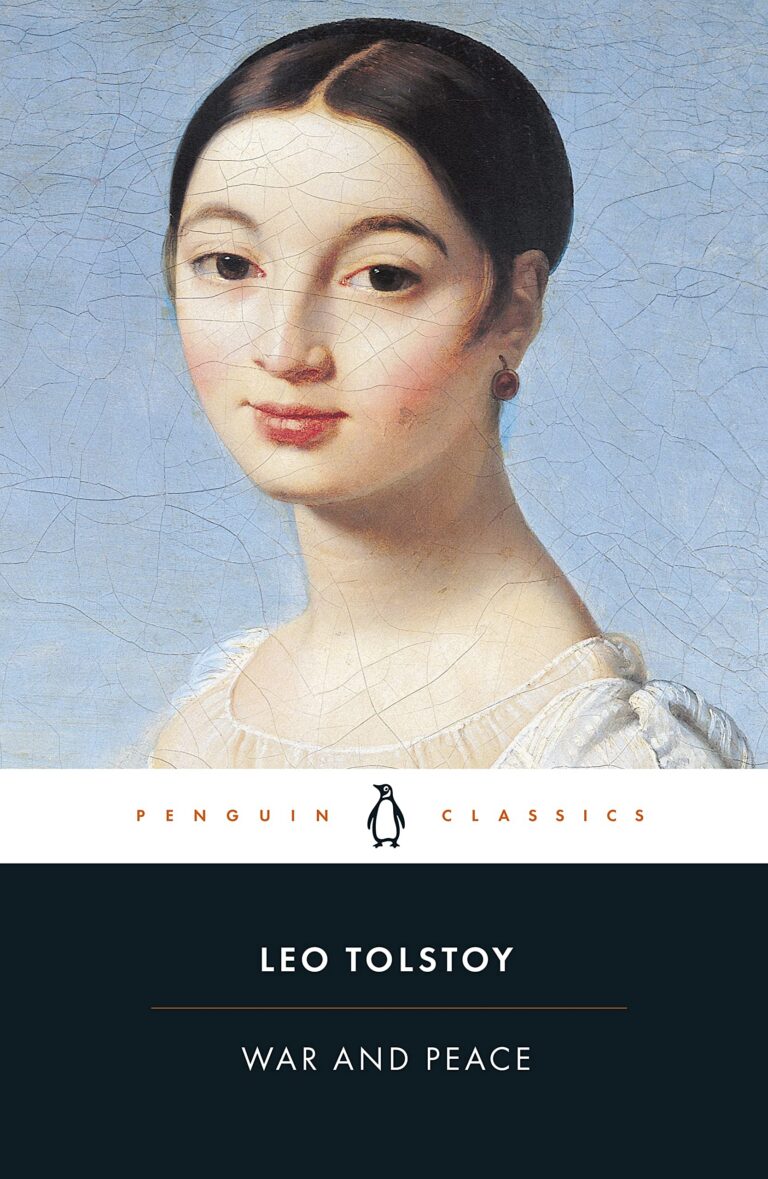
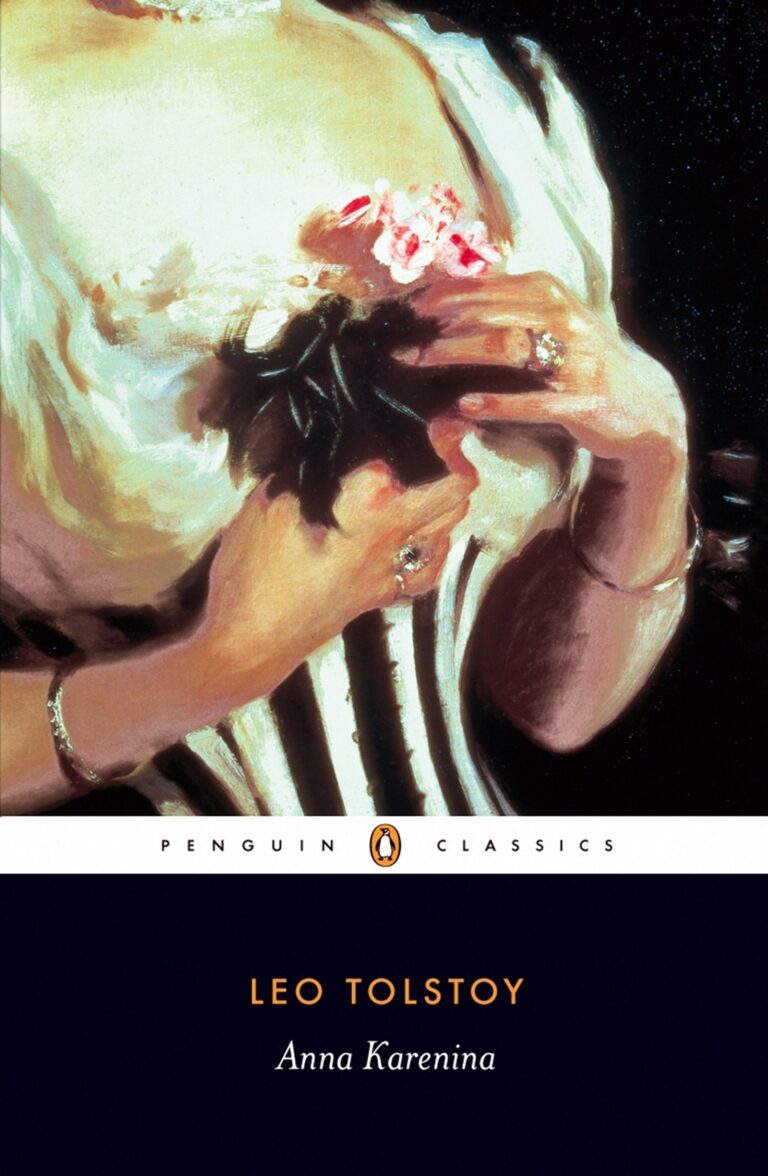
War and Peace combines the lives of several Russian families with the Napoleonic invasion, moving between ballrooms, battlefields, households and philosophical reflections on historical causation. Anna Karenina turns to marriage, property, agriculture and moral judgement in nineteenth-century Russia. After a profound spiritual crisis, Tolstoy rejected many privileges of his class and developed religious and political views based on nonviolence, simplicity and resistance to state coercion. His later essays influenced reformers well beyond Russia. Tolstoy died in 1910 after leaving Yasnaya Polyana during a final personal conflict. His historical fiction remains distinctive for joining intimate psychological observation to scepticism about heroic explanations of war and power.

 Edward Rutherfurd
9 books
Edward Rutherfurd
9 books