Books
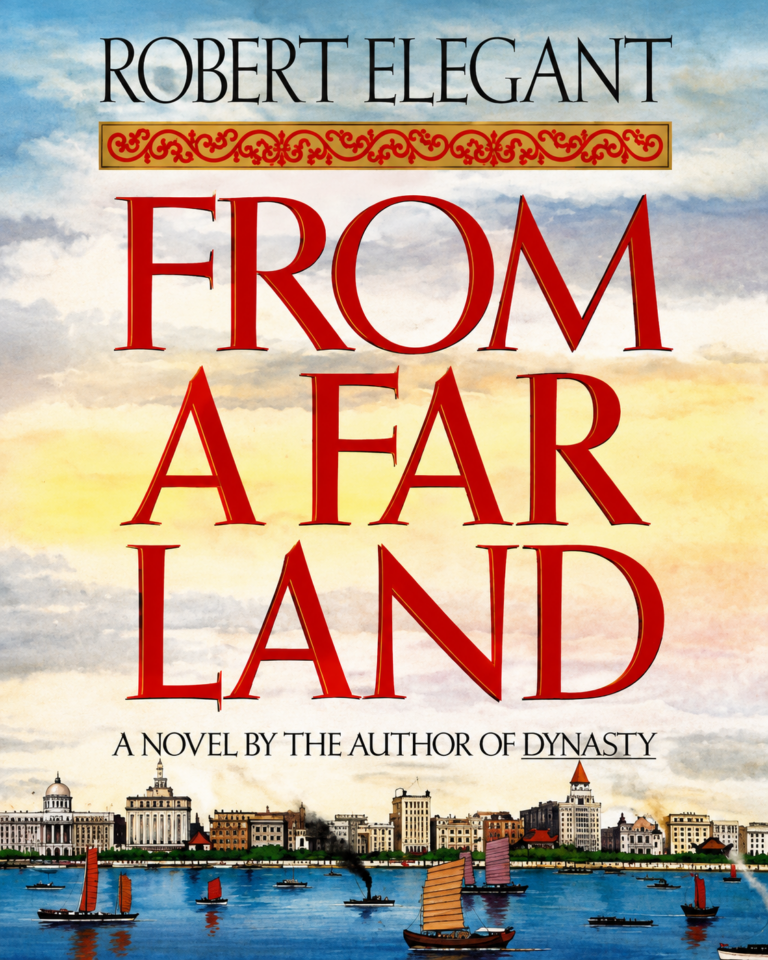
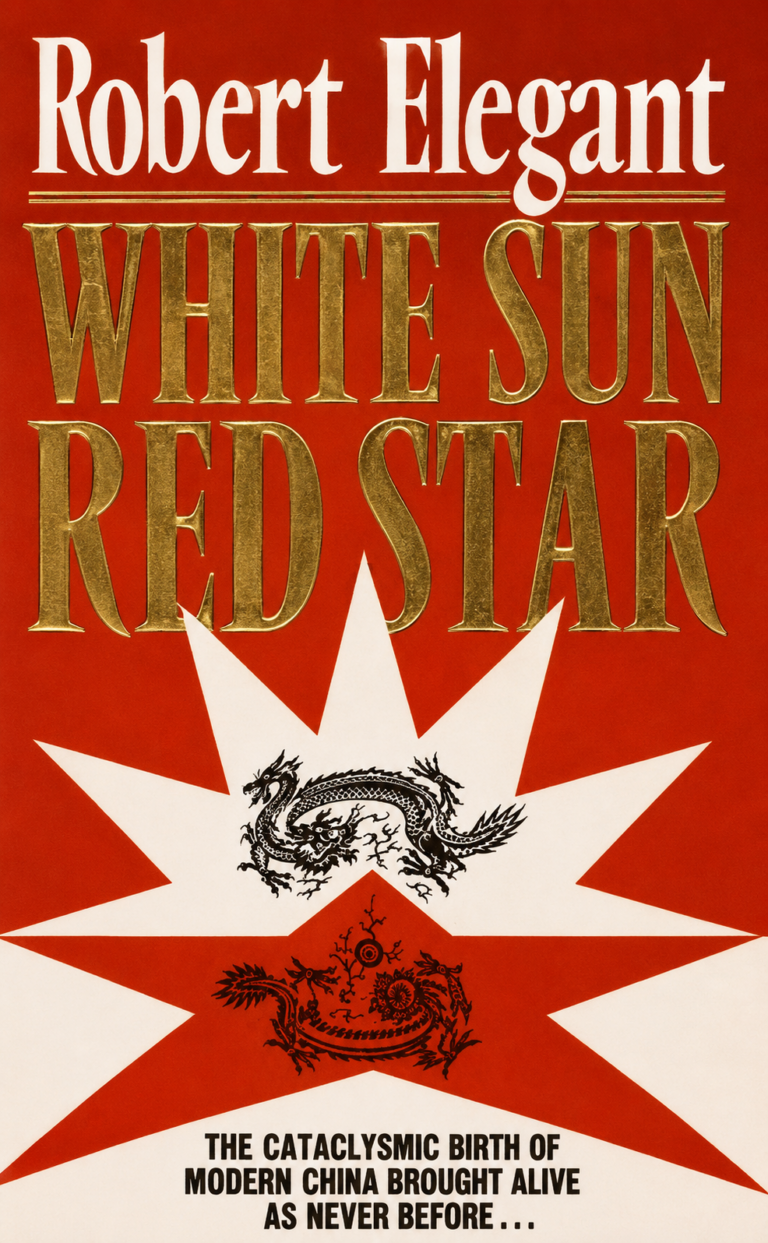
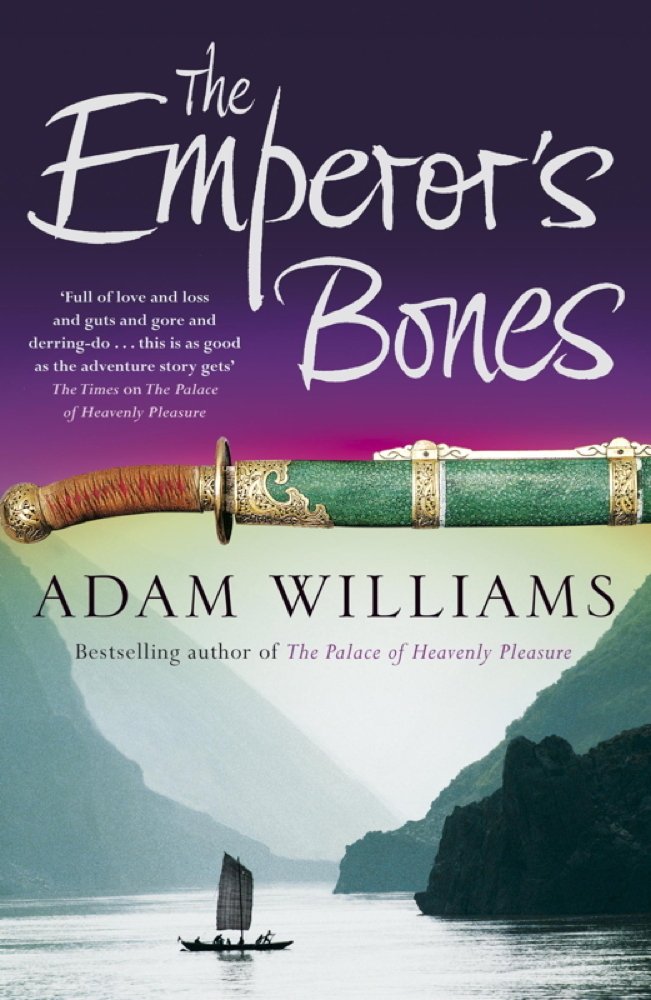
4 Best Novels About foreign imperialism and treaty port China
Bestselling authors first, then star rating.

As an Amazon Associate I earn from qualifying purchases. Affiliate disclosure.
Period
1842–1949 CE
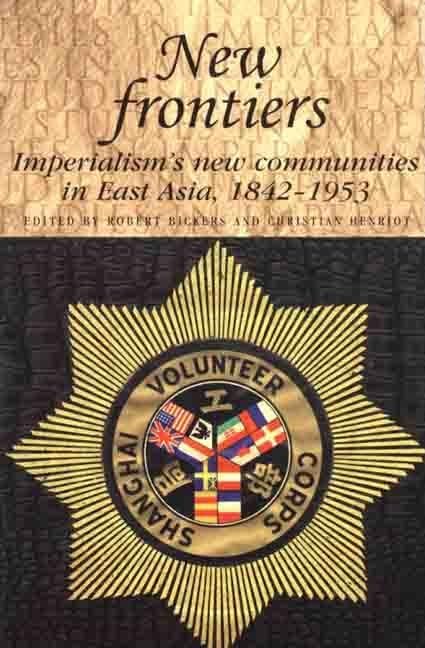
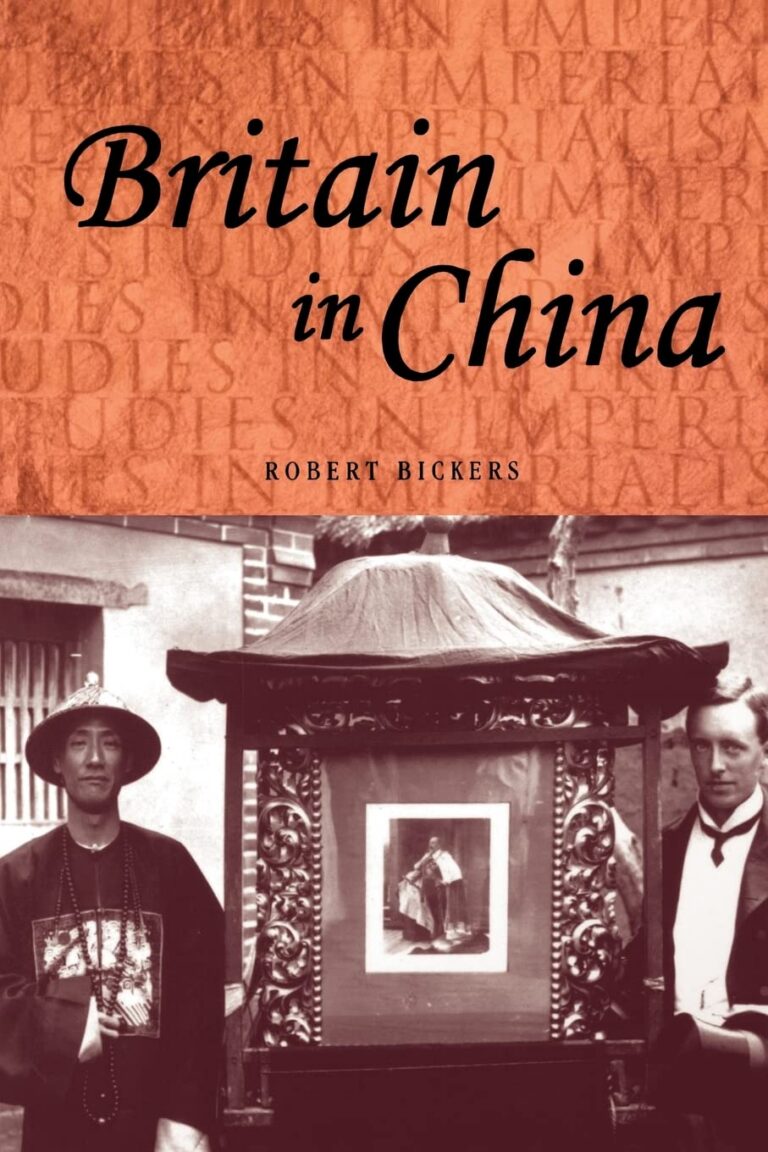
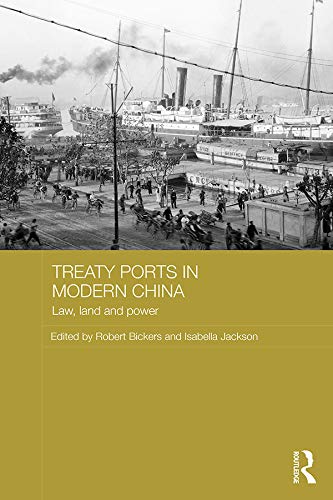
The Treaty of Nanjing ended the First Opium War in 1842 and opened a new phase of foreign access to China. Later treaties expanded the number of ports open to residence and trade, established extraterritorial legal privileges and created concessions, leased territories and foreign-administered districts. China was not divided into formal colonies, but sovereignty became fragmented in cities such as Shanghai, Tianjin, Hankou and Guangzhou.
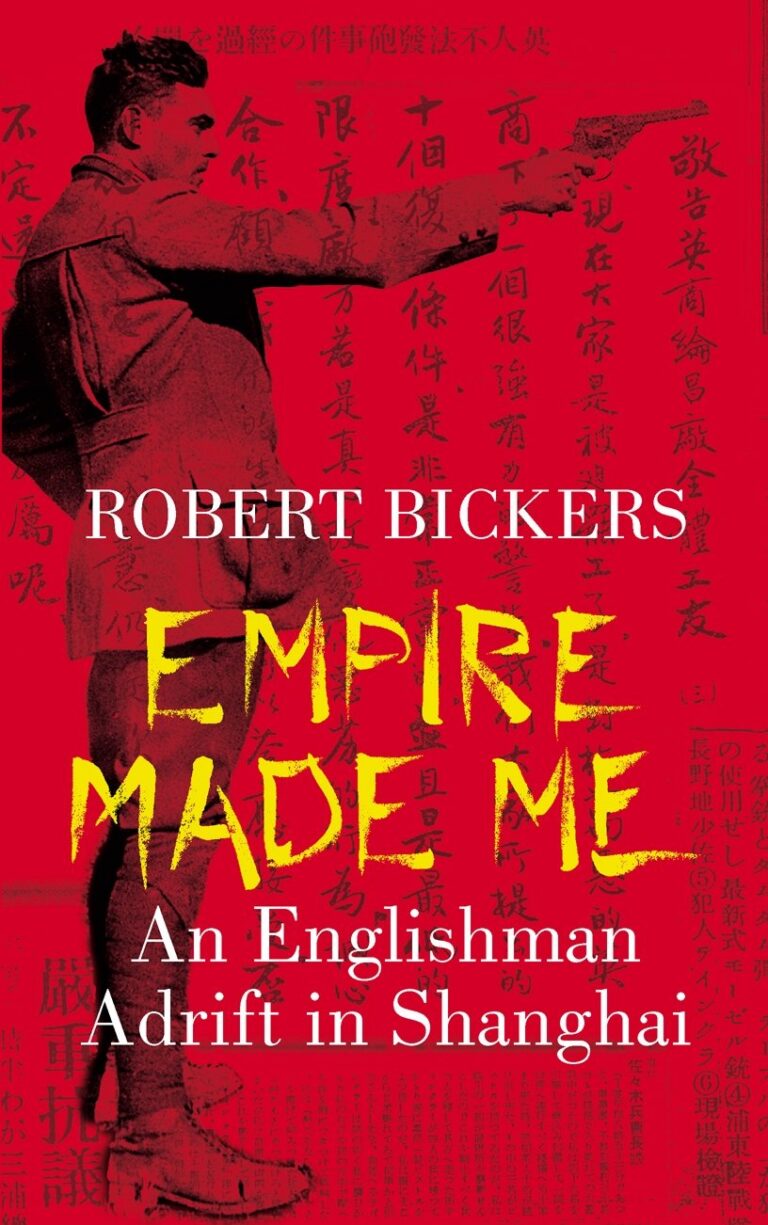
Treaty-port society brought together Chinese residents, merchants, compradors, workers, missionaries, diplomats, sailors and foreign settlers. Municipal councils, consular courts, customs institutions, banks and shipping firms made the ports engines of commerce and cultural exchange, while racial inequality and legal privilege generated resentment. The Taiping and Boxer crises, labour activism, nationalist boycotts and revolutionary politics repeatedly challenged the foreign presence.
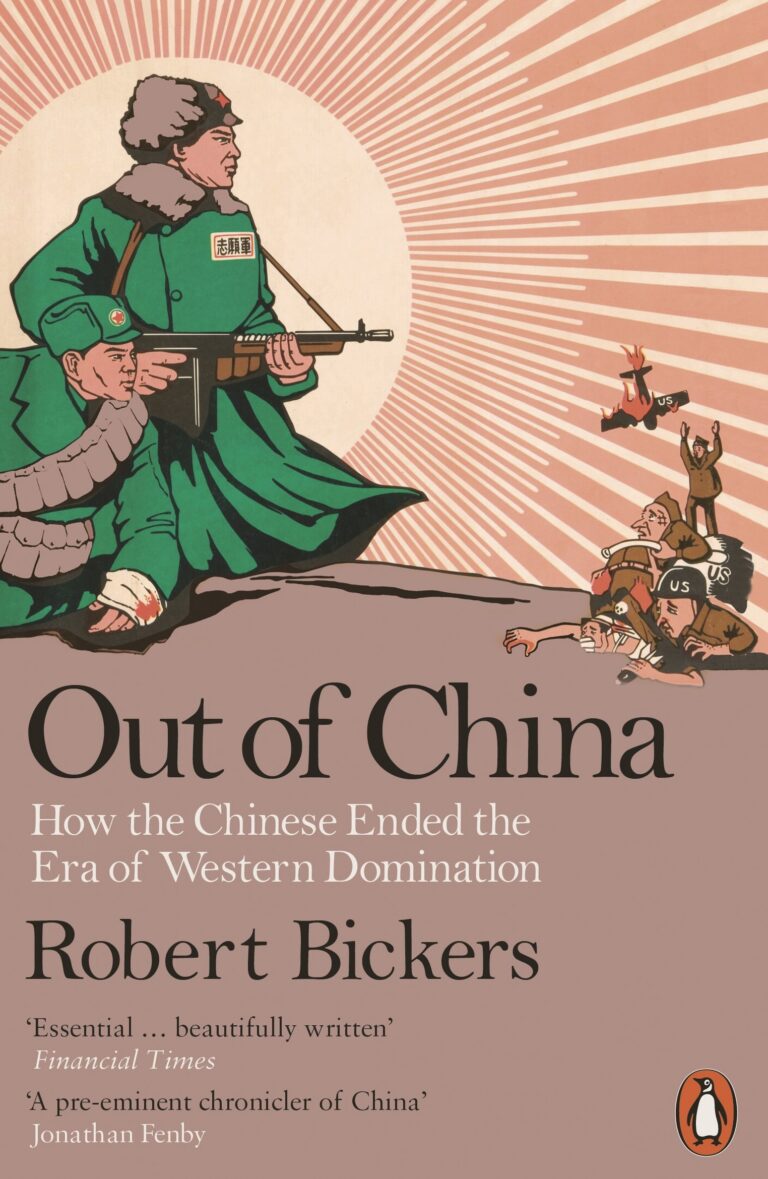
The system weakened through Chinese treaty revision, Japanese occupation and the withdrawal of Western power during the Second World War. Britain and the United States relinquished extraterritoriality in 1943, and the Communist victory in 1949 ended the remaining foreign enclaves on the mainland. This context supports histories, biographies and fiction about informal empire, Shanghai, missionary work, policing, business, diplomacy and the Chinese movements that opposed foreign domination.
Books
Bestselling authors first, then star rating.
Non-Fiction
Histories, biographies and reference works are listed separately from the historical novels above.