c. 1550–1070 BCE
Deir el-Medina was the workers’ village associated with the artisans who built and decorated royal tombs in the Valley of the Kings and Valley of the Queens. Its inhabitants included draughtsmen, stonecutters, scribes, foremen, families and servants living in a community closely tied to royal burial projects.
The village mattered because it is unusually well documented through texts, ostraca, tombs and legal material. It reveals labour organisation, family life, religion, disputes, strikes and the status of skilled workers in the New Kingdom.
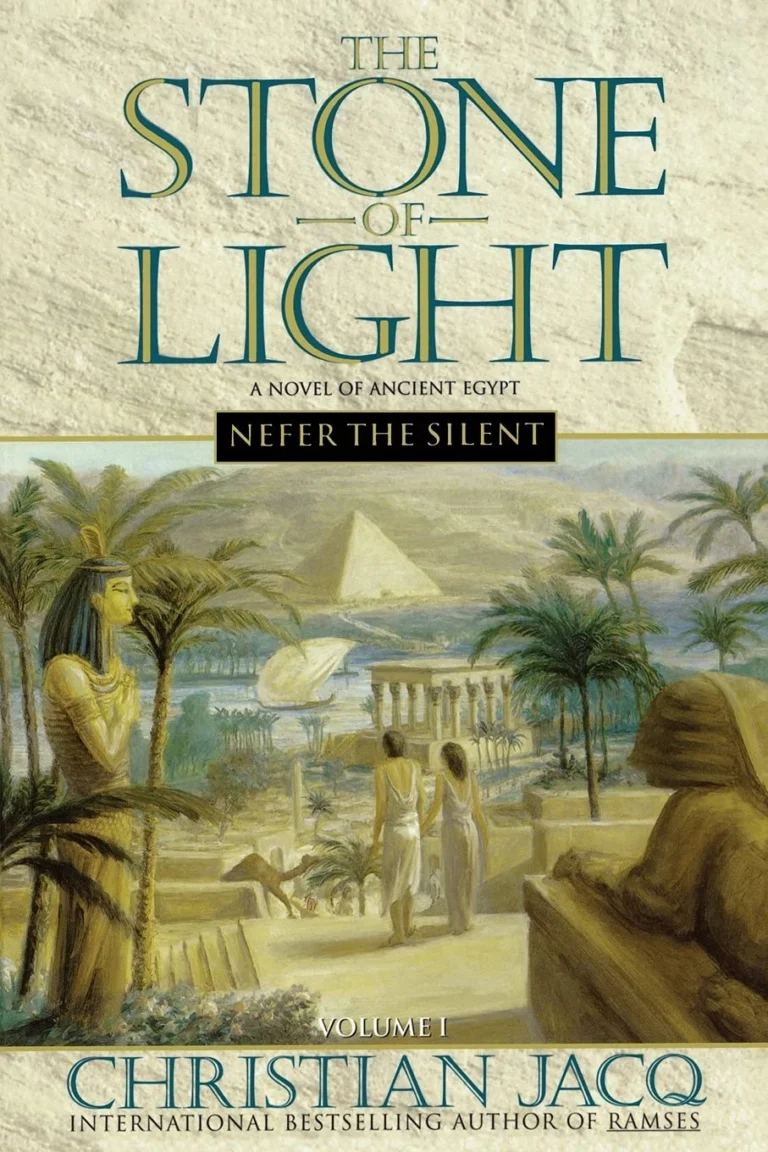
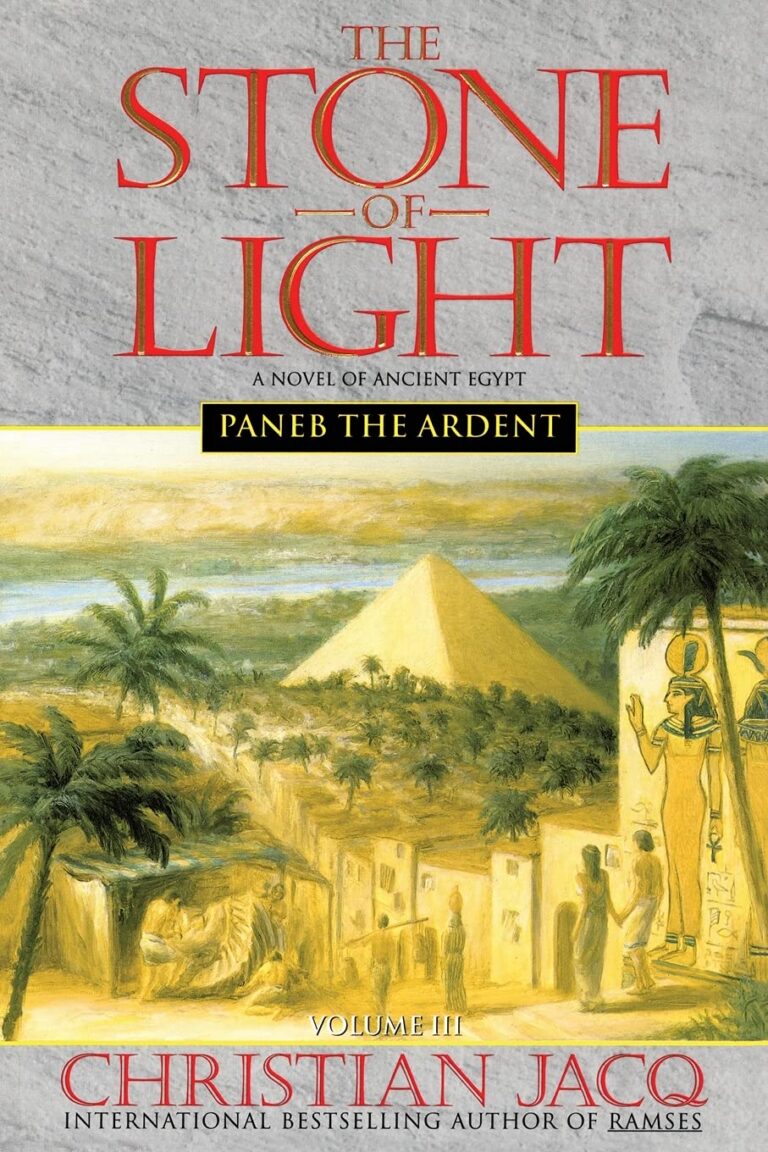
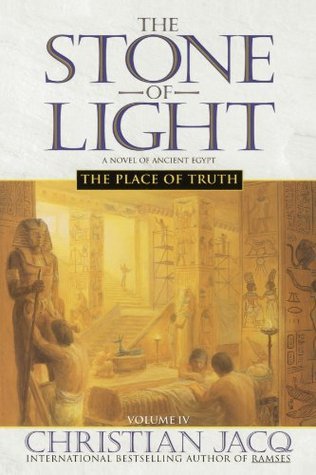
Christian Jacq’s Stone of Light series reimagines this community as the Place of Truth, a hidden village where craft and sacred knowledge are threatened by intrigue. The setting suits fiction about artisans, tomb secrets, village politics, ritual purity, labour and the private lives behind royal monuments.