Non-Fiction
1 Best Non-Fiction Book About Free Black Communities and Institutions
Histories, biographies and reference works are listed separately from the historical novels above.

As an Amazon Associate I earn from qualifying purchases. Affiliate disclosure.
Phase
1776–1865
After American independence, free Black populations expanded through manumission, self-purchase, gradual emancipation laws and escape from slavery. Their legal position remained insecure, and state restrictions limited movement, voting, education, employment and testimony in court.
Black churches, benevolent societies, schools, newspapers and conventions created durable civic institutions. Leaders including Absalom Jones, Richard Allen, Phillis Wheatley and Benjamin Banneker used religion, literature, science and public argument to challenge exclusion from the republic’s promises.
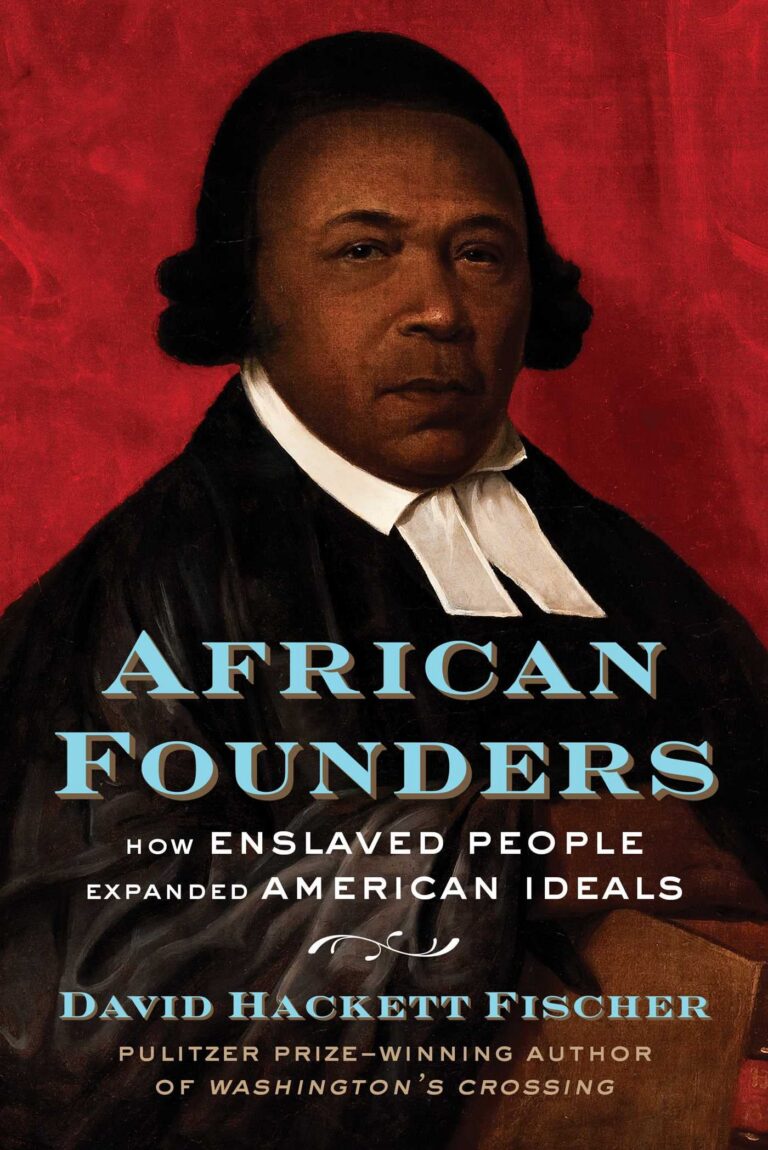
African Founders presents these communities as active makers of American political and social ideals, not merely as recipients of freedom granted by others.
Non-Fiction
Histories, biographies and reference works are listed separately from the historical novels above.