Books
Phase
Victorian Edinburgh Sexual Exploitation and Moral Respectability
c. 1840–1860 CE
Mid-Victorian Edinburgh presented a sharp contrast between public ideals of respectability and the insecurity faced by women with little money or social protection. Domestic servants and young migrants could be vulnerable to deceptive employment, sexual coercion and loss of reputation, while prostitution was sustained by poverty, demand and the limited alternatives available to many women. The stigma attached to sexual behaviour often fell far more heavily on women than on male clients or employers.
That culture of reputation also encouraged blackmail. Men whose careers and social standing depended on an appearance of moral probity could be threatened with allegations of adultery, illegitimacy or other sexual misconduct whether the accusations were true or false. Women subjected to exploitation faced a different danger: once labelled immoral, they could lose employment, family support and credibility, making escape from abuse more difficult.
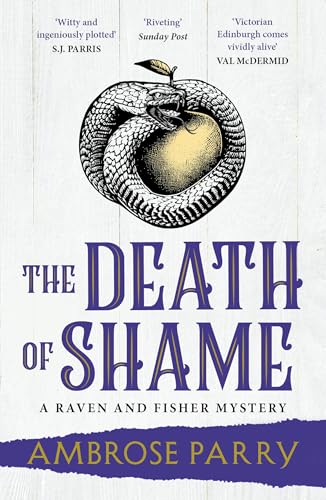
The Death of Shame uses these pressures directly in its 1854 Edinburgh setting. Sarah Fisher’s search for a missing young woman leads into the city’s brothels and systems of exploitation, while Raven’s investigation of a suspicious death exposes the destructive force of secrecy and sexual blackmail. The novel also draws on a real attempt to blackmail James Young Simpson, connecting private scandal with the wider Victorian economy of shame.