Historical person
Henry Pulleine
1838–1879
Henry Burmester Pulleine was a British Army officer whose career ended at the Battle of Isandlwana during the Anglo-Zulu War. Born in Yorkshire in 1838 and educated at Sandhurst, he entered the army in 1855 and later joined the 24th Regiment of Foot. He served in southern Africa before the Zulu campaign, including administrative duties and service during the Cape frontier conflict. By 1879 he was a major holding the brevet rank of lieutenant-colonel and was exercising field command within the 24th.
On 22 January 1879 Lord Chelmsford left the camp beneath Isandlwana with a large portion of his column, leaving Pulleine responsible for the troops and stores that remained. Lieutenant-Colonel Anthony Durnford arrived later with additional forces and greater seniority, but the division of responsibility during the rapidly developing crisis remains debated. The main Zulu army then attacked in overwhelming strength and destroyed the camp after extended fighting. Pulleine was killed with most of the defenders. Later criticism of his command has to be weighed against Chelmsford’s dispositions, the exposed camp and the unexpected scale of the attack.
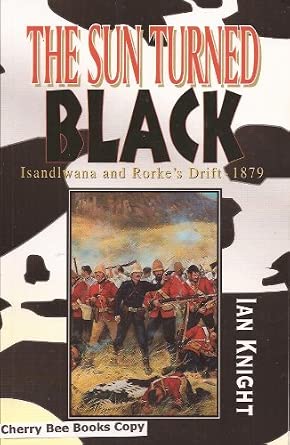
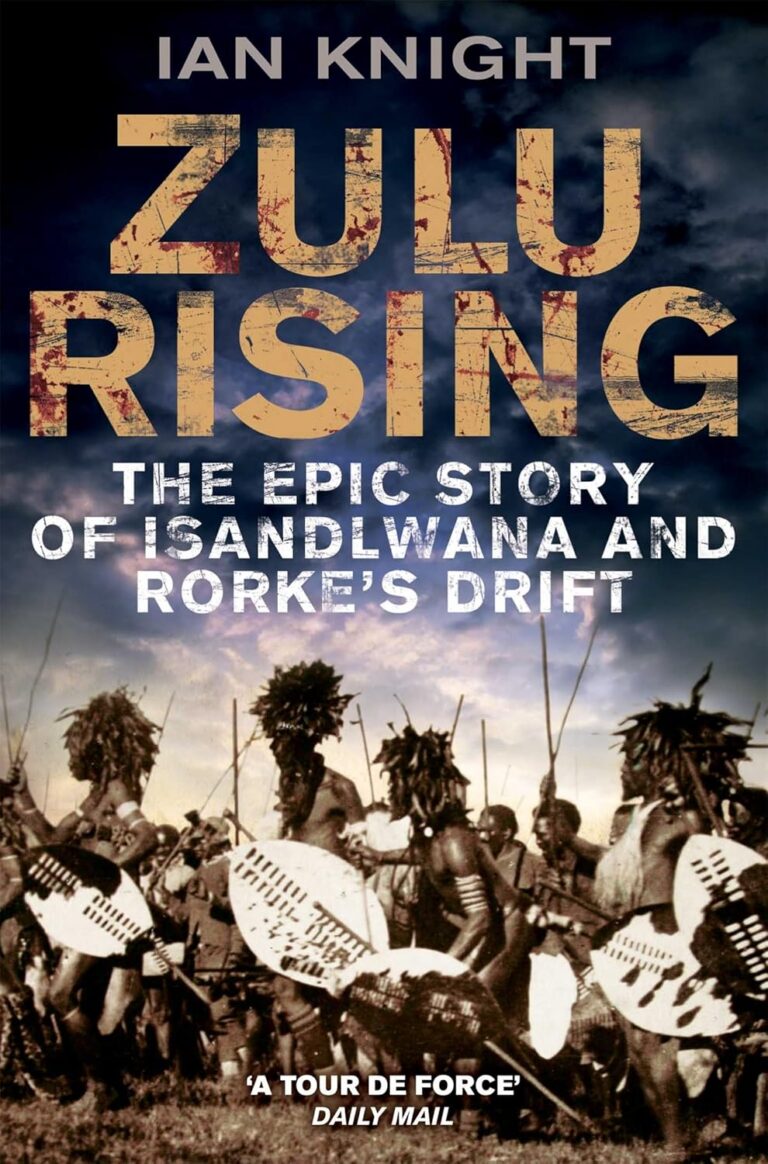
Ian Knight’s The Sun Turned Black reconstructs the British camp at Isandlwana and places Lieutenant-Colonel Henry Pulleine among the officers trying to respond as the Zulu army emerges in overwhelming strength. Zulu Rising broadens the same episode through British records, Zulu testimony and battlefield evidence, examining Pulleine’s command responsibilities alongside the divided British dispositions and the collapse of the camp on 22 January 1879.
Non Fiction
Non Fiction featuring Henry Pulleine (2 books)
Biographies, histories and other non-fiction are listed separately from the historical novels above.