Rahab is a biblical woman in the Book of Joshua who lives in Jericho when Israelite scouts enter the city before its conquest. The narrative describes her as a prostitute or innkeeper who hides the spies from the king’s men, acknowledges the power of Israel’s God and negotiates protection for herself and her family. She marks her house with a scarlet cord, and Joshua’s story says that her household is spared when Jericho falls.
Later Jewish and Christian traditions made Rahab an important example of conversion, courage and faith. The Gospel of Matthew names a Rahab in the genealogy of Jesus, while Hebrews praises her faith and the Epistle of James cites her actions as evidence that faith is expressed through deeds. The historical reconstruction of Joshua’s conquest is heavily debated by archaeologists and biblical scholars, and the text does not provide a securely datable independent biography for Rahab outside its literary and theological setting.
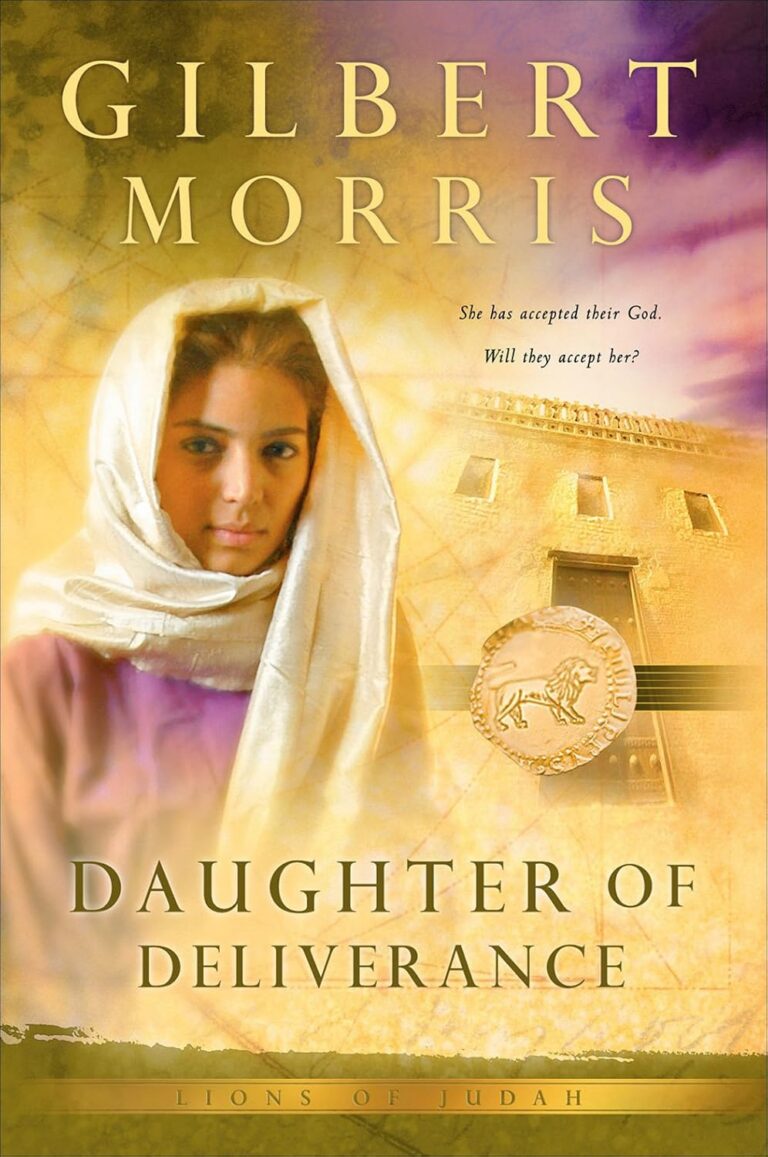
Gilbert Morris’s Daughter of Deliverance expands the brief biblical account of Rahab into a full imagined life in Jericho. The novel presents her as a weaver forced into prostitution by family debt before the arrival of Israelite spies gives her a chance to act decisively for herself and her household. Her protection of the spies, promise of safety and developing faith remain anchored in Joshua, while a romance with the fictional Ardon supplies the private motives and relationships that scripture does not describe.