Historical person
Nat Turner
1800–1831
Nat Turner was born enslaved in Southampton County, Virginia, in 1800 and became known within the local Black community as a preacher and religious visionary. He learned to read and interpreted unusual natural events, dreams and scriptural passages as signs that he had been chosen for a divine purpose. By 1831 Turner had concluded that he was commanded to strike against slavery. He organised a small network of enslaved men and began the uprising during the night of 21–22 August, moving from plantation to plantation and recruiting additional followers.
Turner’s group killed about fifty-five to sixty white people before militia and armed civilians dispersed the rebels. The suppression was accompanied by widespread retaliatory violence in which many Black people unconnected with the uprising were killed. Turner evaded capture for more than two months before being found, tried and hanged on 11 November 1831. Thomas R. Gray’s published Confessions of Nat Turner remains the principal account of Turner’s own explanations but was mediated by a white interviewer. The revolt prompted harsher restrictions on enslaved and free Black communities across the South.
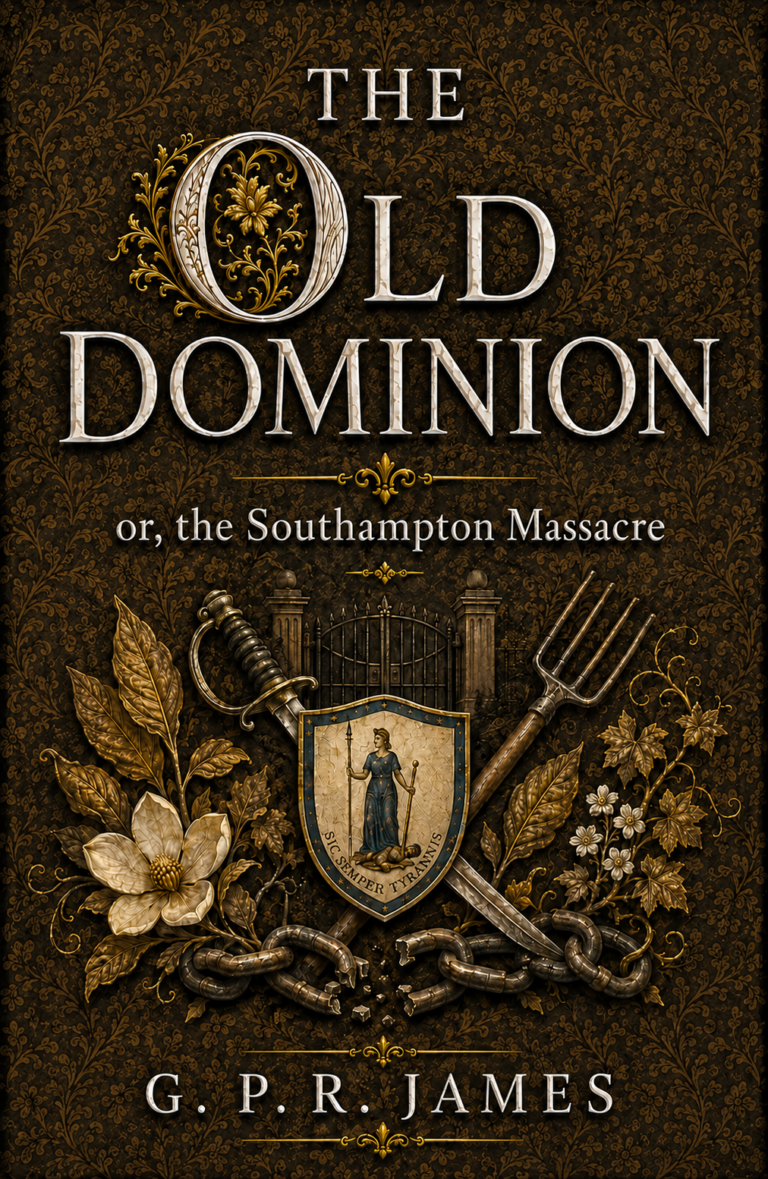
In Ann Rinaldi’s The Letter Writer, She does not fully understand how information about roads, households and movements may be used until Nat Turner’s uprising transforms ordinary correspondence into evidence of danger and betrayal. In G. P. R. James’ The Old Dominion; or, the Southampton Massacre, set in Virginia in 1831, The Old Dominion places fictional households within the social terror surrounding Nat Turner’s rebellion in Southampton County.
Standalone books