
Book
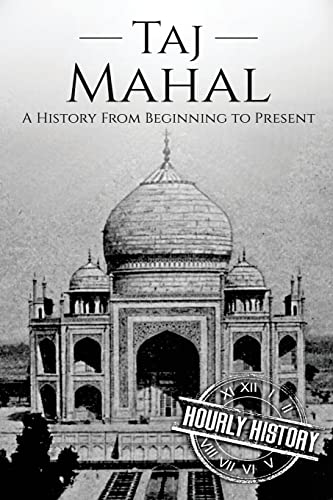
Taj Mahal
The Taj Mahal examines the seventeenth-century mausoleum commissioned by the Mughal emperor Shah Jahan after the death of Mumtaz Mahal. It places the monument within the imperial city of Agra, Mughal funerary traditions and a court culture that used architecture to express dynasty, faith and sovereignty.
The book explains the design of the complex, its gardens, calligraphy, stonework and labour, while considering the craftsmen and resources drawn from across the empire. It also follows later conservation and the creation of the Taj Mahal’s modern reputation as a universal symbol of love.
The monument’s later fame can obscure the political world that produced it. Shah Jahan’s building programme formed part of Mughal imperial representation, and the mausoleum’s geometry, inscriptions and garden plan communicate ideas about paradise, dynasty and legitimate rule. Its history after the Mughal period also shows how colonial conservation and modern tourism reshaped the meanings attached to the site.
Historical Periods
Genres
Historical people
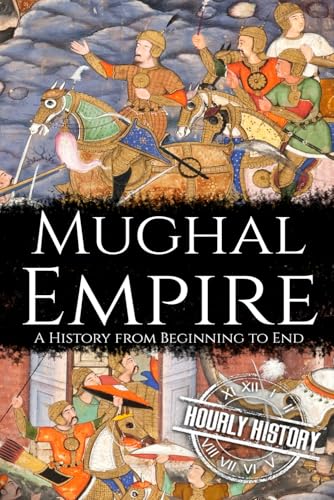
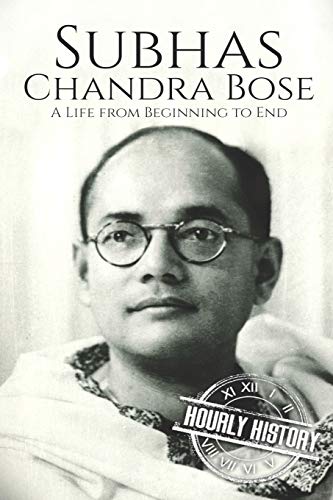
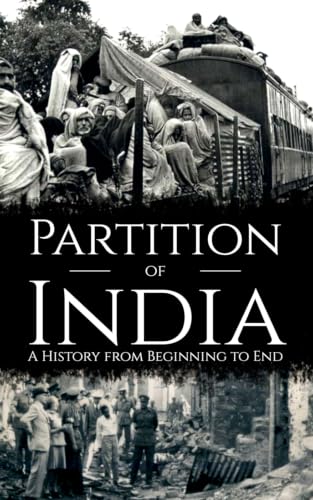
More from this period
3 more top-rated novels about Mughal Empire
Ranked by rating and voting volume; books already shown on this page are omitted.
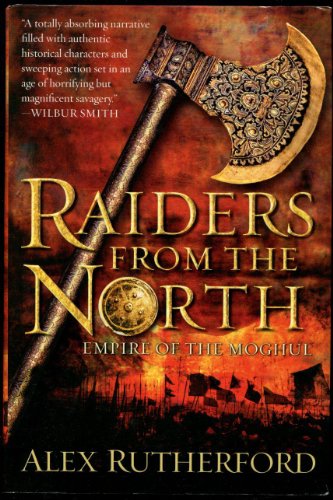
Discover more
Authors similar to Hourly History
Recommended from shared genres and periods.
 Peter Ackroyd
1 book
Peter Ackroyd
1 book
 Alison Weir
35 books
Alison Weir
35 books
 Saul David
3 books
Saul David
3 books
 Antonia Fraser
7 books
Antonia Fraser
7 books