Books
War
Colonial Saint-Domingue and the Haitian Revolution
c. 1770–1804 CE
Saint-Domingue was France’s wealthiest Caribbean colony, producing sugar and coffee through an exceptionally violent plantation system sustained by the labour of enslaved Africans. Colonial society divided white planters, poorer whites, free people of colour and a much larger enslaved population, while maroon communities and everyday resistance challenged the regime.
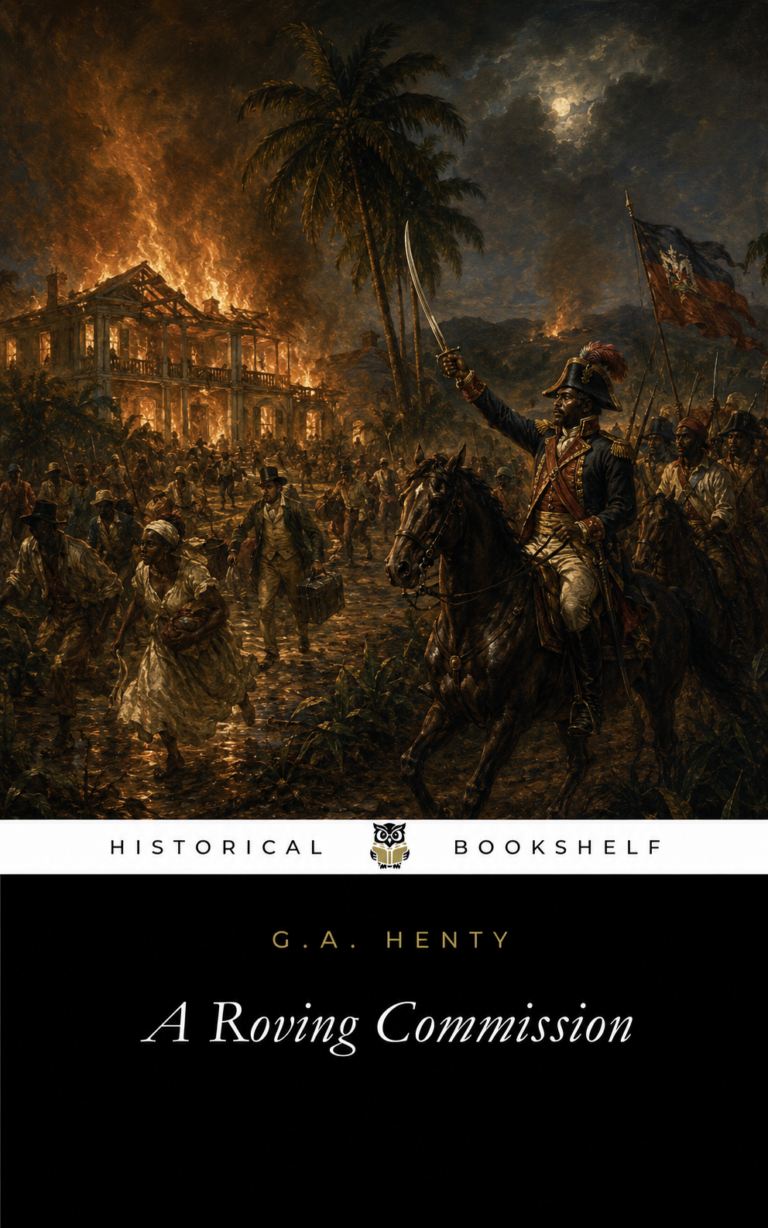
Revolt began in 1791 amid the wider French Revolution. Competing armies, foreign intervention, emancipation and shifting alliances brought leaders including Toussaint Louverture and Jean-Jacques Dessalines to prominence. French attempts to restore control and slavery failed, and independence was declared in 1804.
Island Beneath the Sea follows Zarité from plantation slavery through revolution and flight to Louisiana. The novel connects domestic coercion, racial hierarchy and sexual violence with the destruction of the colonial order and the creation of Haiti.