Historical person
Hermann Göring
1893–1946
Hermann Göring was a German fighter pilot in the First World War who became one of the most powerful leaders of the Nazi regime. After joining the Nazi Party in the early 1920s, he participated in the failed Beer Hall Putsch and later used parliamentary politics to advance the movement. Following Hitler’s appointment as chancellor in 1933, Göring controlled the Prussian police apparatus, helped establish the Gestapo, became commander-in-chief of the Luftwaffe and accumulated economic authority through the Four Year Plan.
Göring was deeply implicated in Nazi persecution, expropriation and aggressive war. He authorised measures facilitating the destruction of Jewish economic life and in 1941 instructed Reinhard Heydrich to prepare the organisational framework for a ‘final solution’ of the Jewish question. As Luftwaffe chief he oversaw the air war, including the failed campaign against Britain, while his influence declined as Germany’s military position deteriorated. Captured in 1945, he was convicted at Nuremberg of conspiracy, crimes against peace, war crimes and crimes against humanity, and killed himself before execution in October 1946.
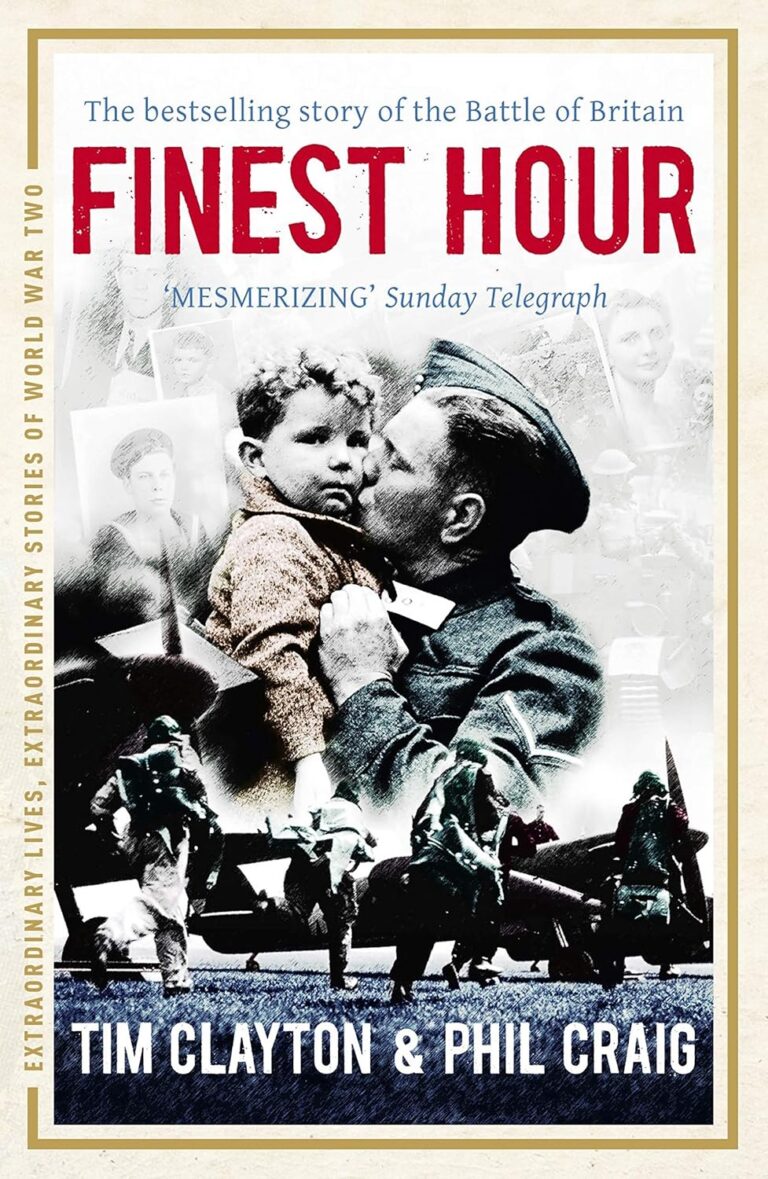
Len Deighton’s non-fiction Fighter examines the Battle of Britain and therefore Göring’s command of the Luftwaffe at a decisive point in the air war. Phil Craig and Tim Clayton’s Finest Hour also places him within the strategic contest of 1940. Erik Larson’s In the Garden of Beasts, centred on the American embassy in Berlin during the Nazi consolidation of power, presents Göring as one of the regime’s most conspicuous and threatening senior figures.
Non Fiction
Non Fiction featuring Hermann Göring (3 books)
Biographies, histories and other non-fiction are listed separately from the historical novels above.