Lin Zexu was a Qing scholar-official appointed by the Daoguang Emperor to suppress the opium trade at Canton in 1839. He arrested Chinese dealers, pressured foreign merchants and destroyed more than twenty thousand chests of surrendered opium at Humen.
Britain used the crisis as the immediate cause of the First Opium War. After early defeats Lin was dismissed and exiled, although he later returned to senior office and became a Chinese symbol of resistance to narcotics and imperial aggression. Lin Zexu was born in Houguan and died in Puning.
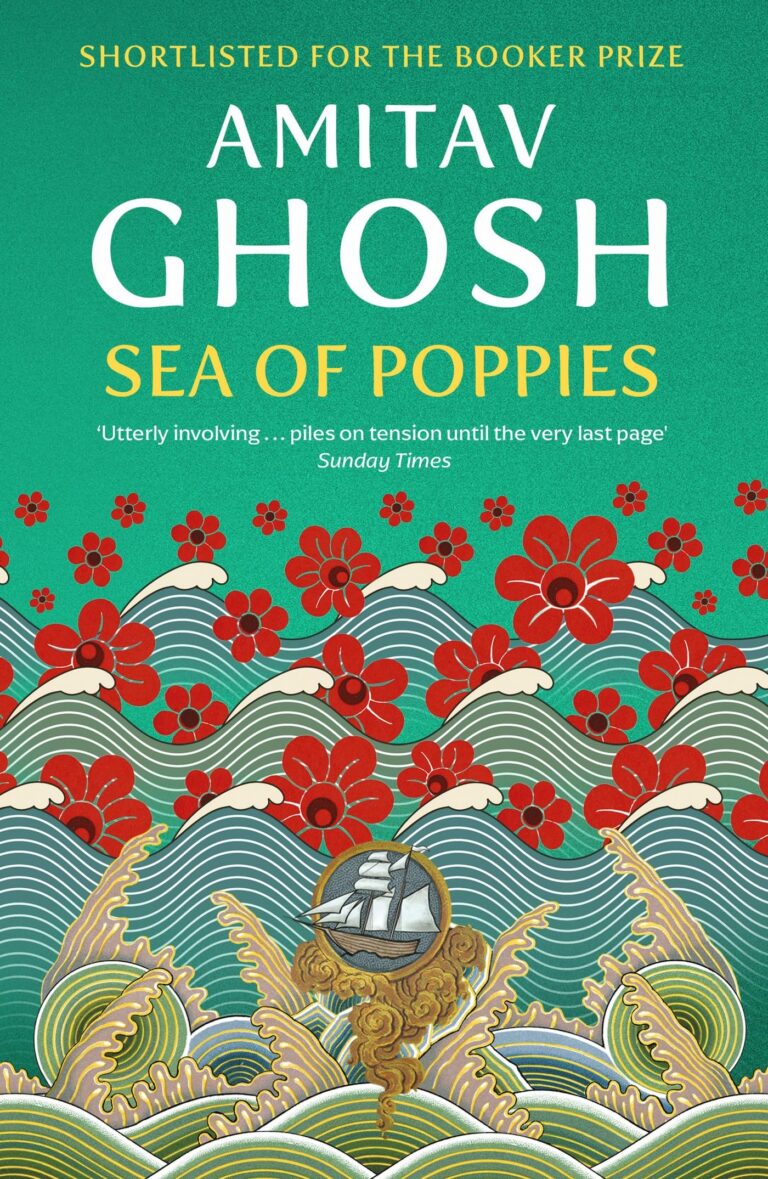
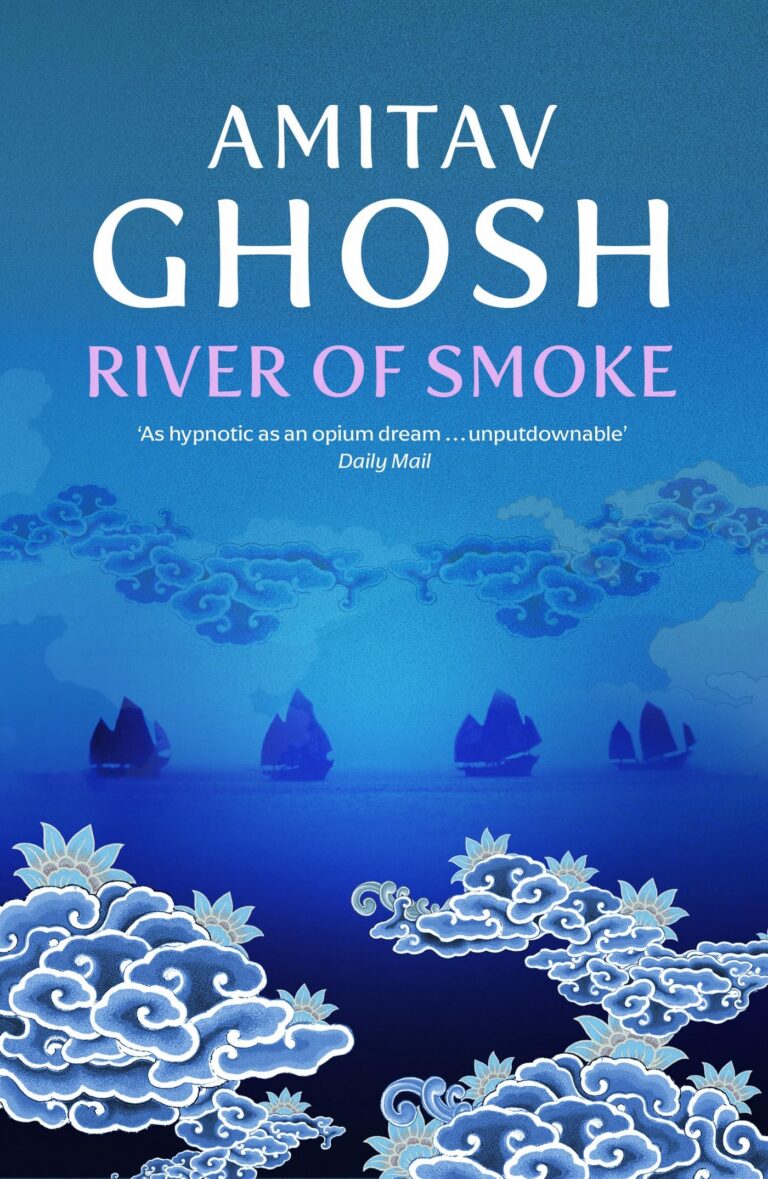
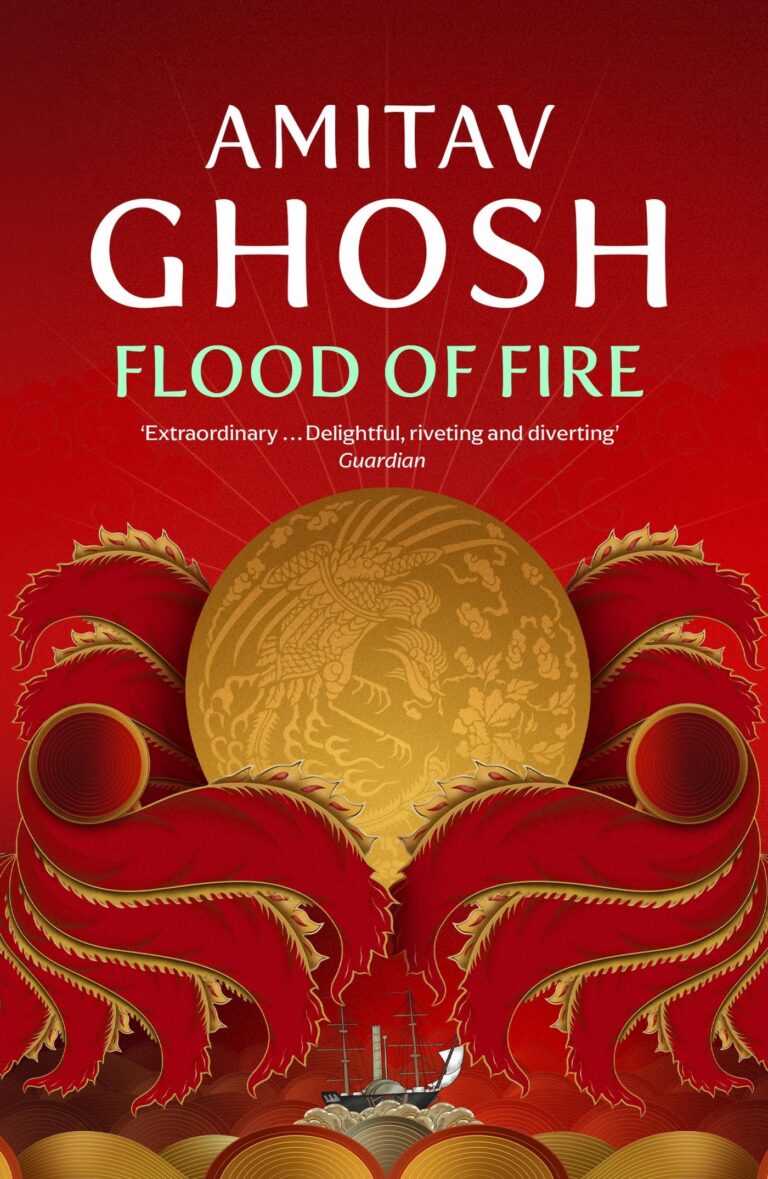
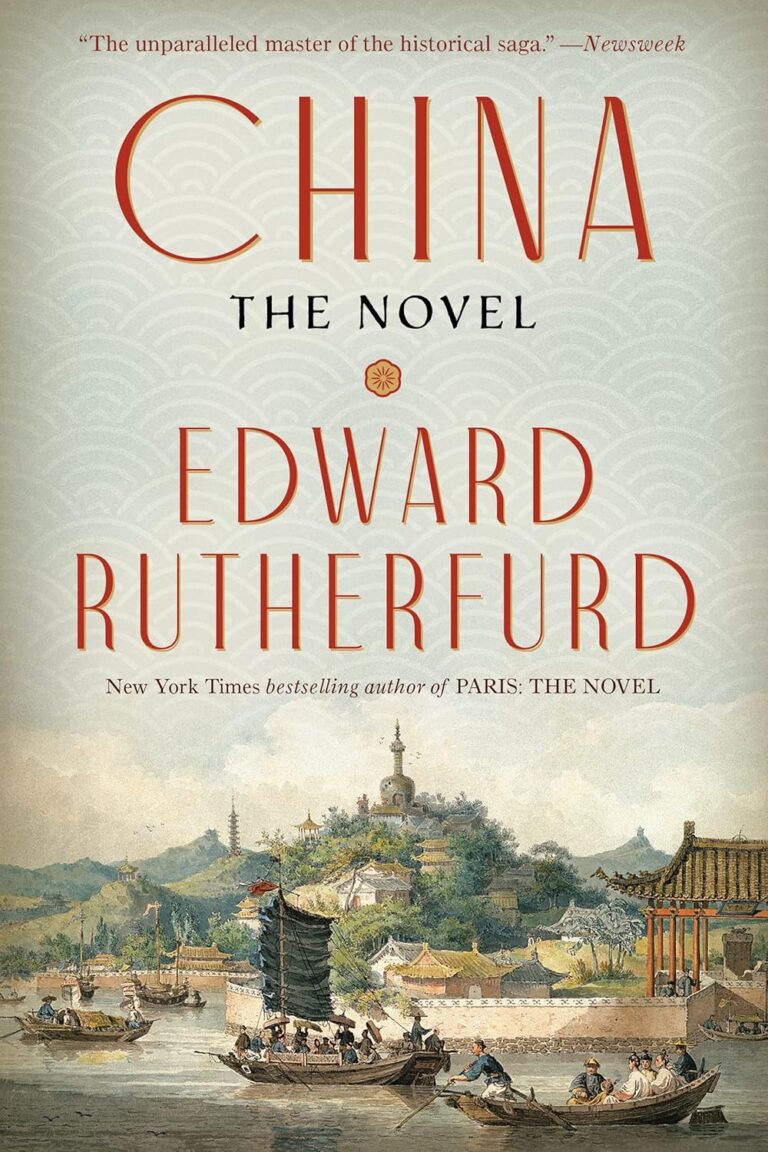
In Stephen R. Platt’s Imperial Twilight, beginning decades before the fighting of 1839, Imperial Twilight traces the commercial and diplomatic system that connected Qing China with Britain through Canton. Tea imports, the silver trade and the East India Company’s dependence on opium created a relationship in which British merchants demanded wider access while Qing officials attempted to preserve legal authority and control over foreign commerce. Platt follows Chinese and British decision-makers as negotiation gives way to coercion. Lin Zexu’s campaign against the opium trade, Charles Elliot’s responsibility for British subjects and William Jardine’s advocacy of military pressure all contributed to the crisis. Hourly History’s The Opium Wars explains the opium economy, Lin Zexu’s suppression campaign and the naval and technological imbalance exposed in the First Opium War. Lin Zexu is treated fictionally in Amitav Ghosh’s Flood of Fire, Amitav Ghosh’s River of Smoke, and Edward Rutherfurd’s China.