The Daoguang Emperor ruled Qing China from 1820 to 1850. His government faced fiscal weakness, official corruption, maritime smuggling and growing foreign pressure, above all over the opium trade. He appointed Lin Zexu to suppress opium at Canton, but Britain responded with military force in the First Opium War.
The Treaty of Nanking in 1842 ceded Hong Kong and opened treaty ports, marking a major loss of Qing sovereignty. Daoguang Emperor was born in Forbidden City and died in Old Summer Palace.
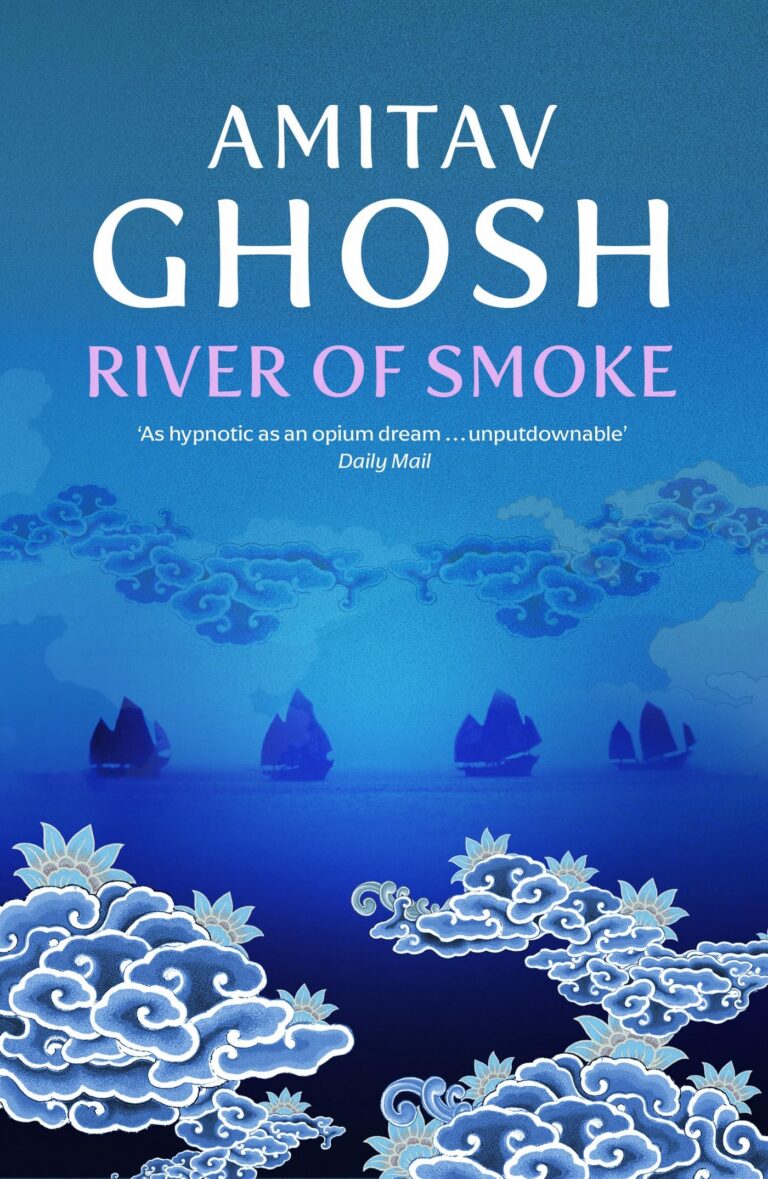
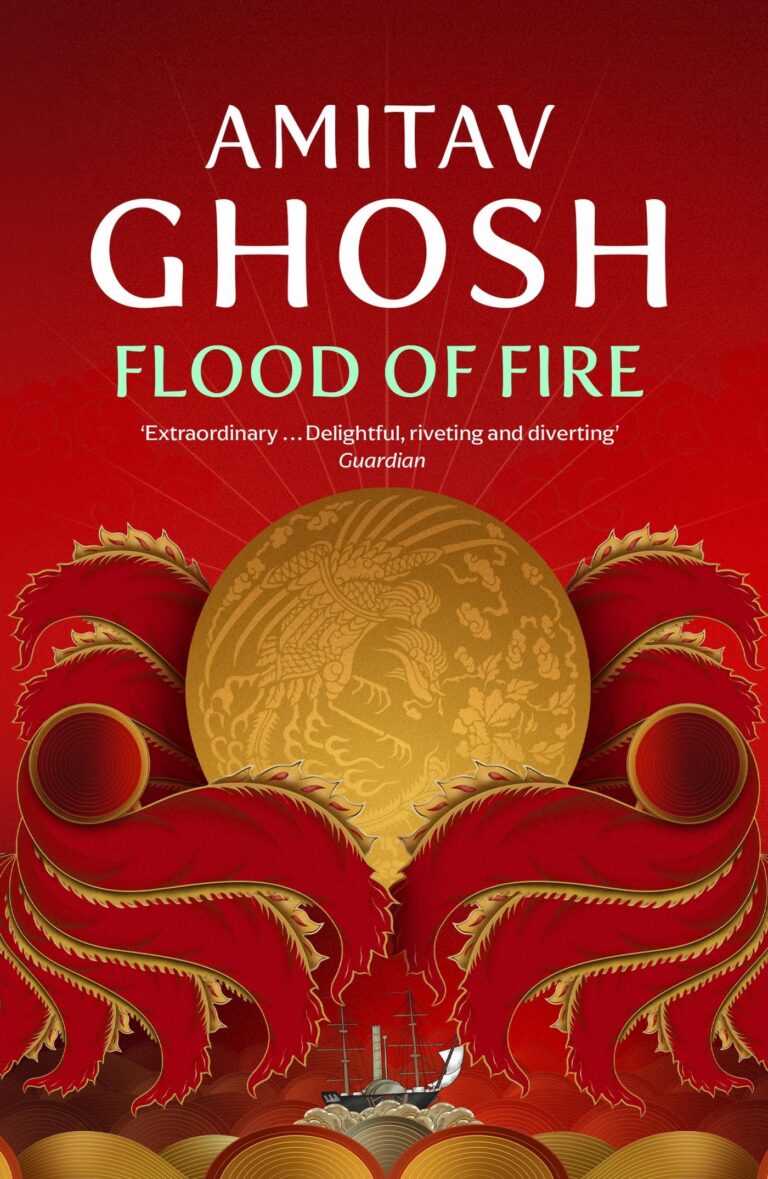
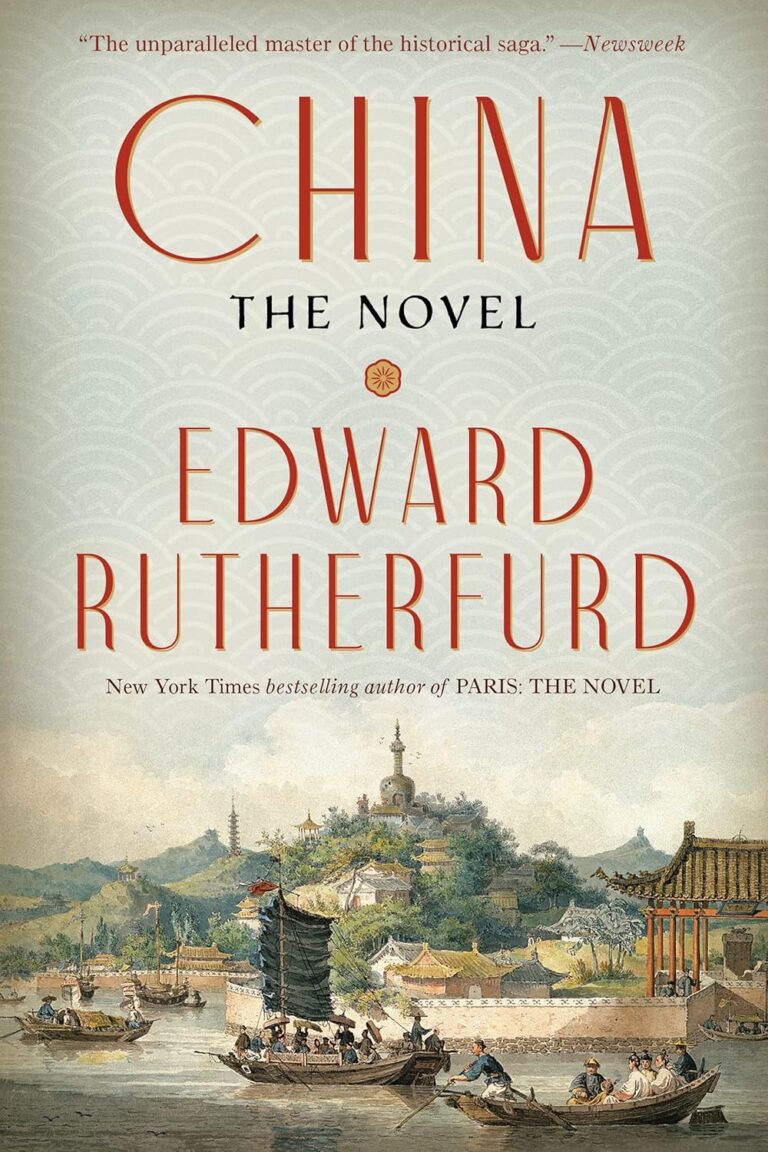
Edward Rutherfurd’s China places the Daoguang Emperor’s Qing court inside the collision between the opium trade, foreign diplomacy and the First Opium War, showing imperial authority under pressure from both domestic weakness and Western coercion. Amitav Ghosh’s Flood of Fire approaches the same crisis from merchants, soldiers and travellers moving toward China after the Qing prohibition of opium; the war that follows is the conflict fought under Daoguang’s reign and over the policy his government attempted to enforce.