As an Amazon Associate, I earn from qualifying purchases. This means if you click on a link and make a purchase, I may receive a small commission at no extra cost to you.

Home / Historical Periods / Victorian Era / Irish Great Famine

Phase

Irish Great Famine

1845–1852 CE

The Irish Great Famine began in the mid-1840s after potato blight destroyed the staple crop on which millions depended. Hunger, disease, eviction and emigration devastated Ireland while British government responses became bitterly contested. The famine transformed Irish society and deepened hostility toward British rule.

Its consequences were immense: population collapse, mass migration to Britain and North America, the growth of nationalist memory and a lasting wound in Irish-British relations. The famine also exposes the intersection of land ownership, empire, economics, religion and human suffering. It is one of the most powerful nineteenth-century settings for stories of family rupture and survival.
Victorian fiction and fiction set in the Victorian world connect directly to Charles Dickens, Wilkie Collins and Anthony Trollope, while modern historical novels by Sarah Waters, Michel Faber, Laura Purcell and Elizabeth Macneal use the period for crime, class, theatre, sex, medicine and social pressure. Series fiction also works strongly here, from Anne Perry's Victorian mysteries to C. S. Harris's late-Georgian/Regency edge and Oscar de Muriel's darker Victorian investigations. A Victorian archive page can therefore move between canonical nineteenth-century novels and modern historical series set among factories, railways, workhouses, drawing rooms and city streets.

Books

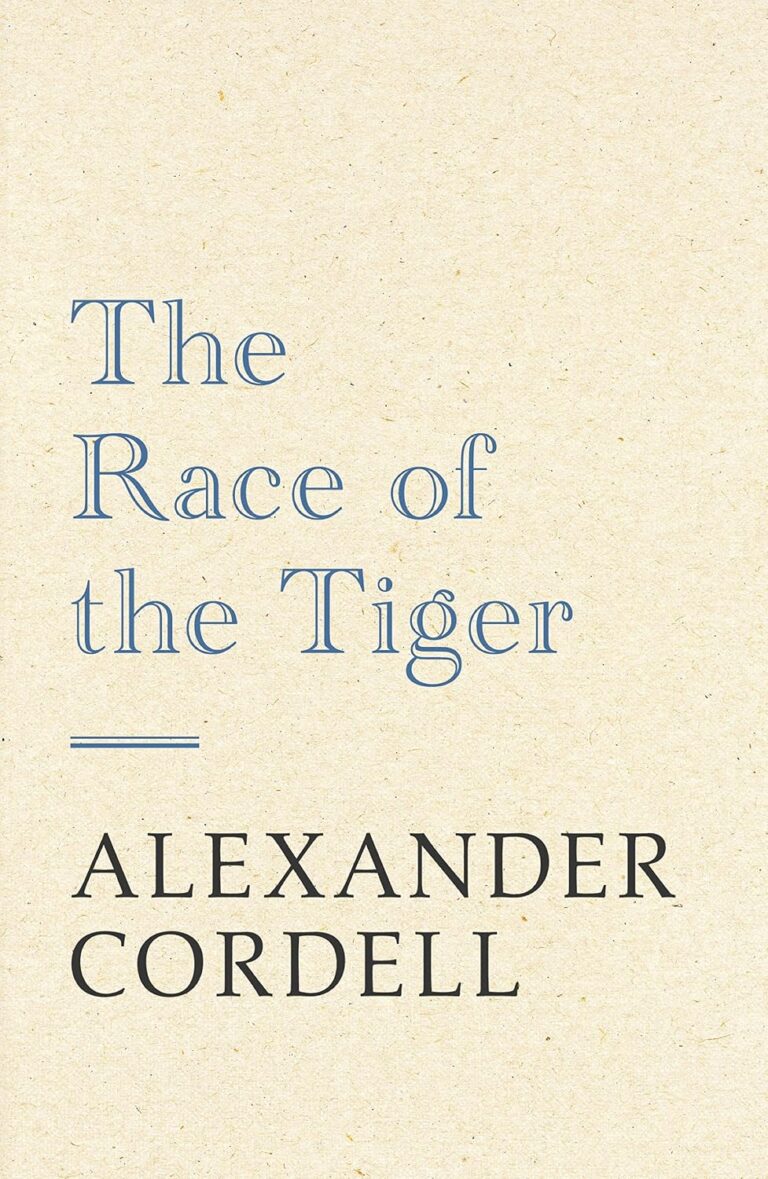
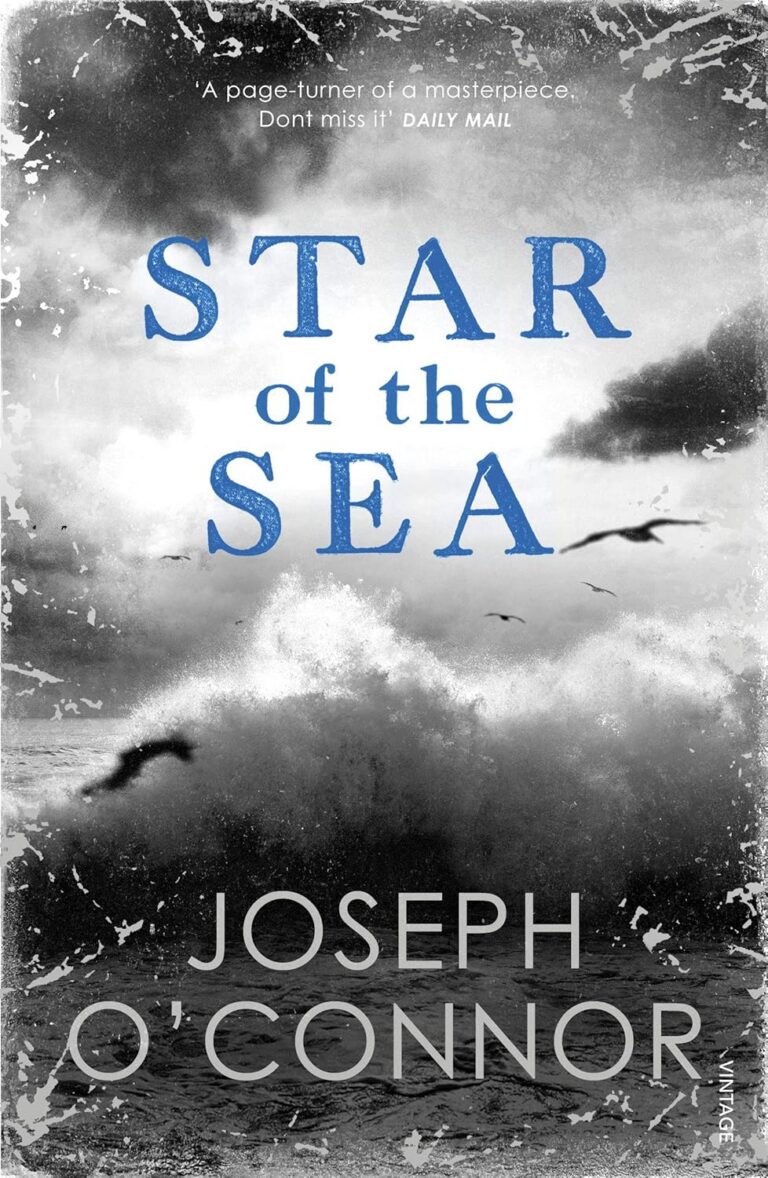
3 Best Novels About the Irish Great Famine

Bestselling authors first, then star rating.