
1. Complete Works of Hesiod
This collection brings together the poetry associated with Hesiod, especially the Theogony and Works and Days. The poems describe the genealogy of the gods, the struggle for divine order, the myth of Prometheus and Pandora, and the harsh moral economy of labour, justice and farming life.…
2. Conversations of Socrates
Xenophon’s Socratic writings present Socrates through remembered conversations, courtroom defence and practical moral instruction. The volume gives a less abstract but highly important portrait of Socrates than Plato’s dialogues, placing him among friends, students, critics and household concerns in classical Athens.
3. Electra and Other Plays
Electra waits in poverty for her exiled brother Orestes, then joins him in killing Aegisthus and their mother Clytemnestra to avenge Agamemnon. In The Suppliant Women, the mothers of the Argive dead appeal to Theseus to recover their sons’ bodies from Thebes, forcing Athens to decide…
4. Essays
Plutarch’s essays, often collected as the Moralia, range across ethics, religion, politics, education, biography, marriage, superstition and literary criticism. The volume shows a Greek intellectual writing under Roman rule while preserving older philosophical and civic traditions for readers interested in moral conduct and public life.
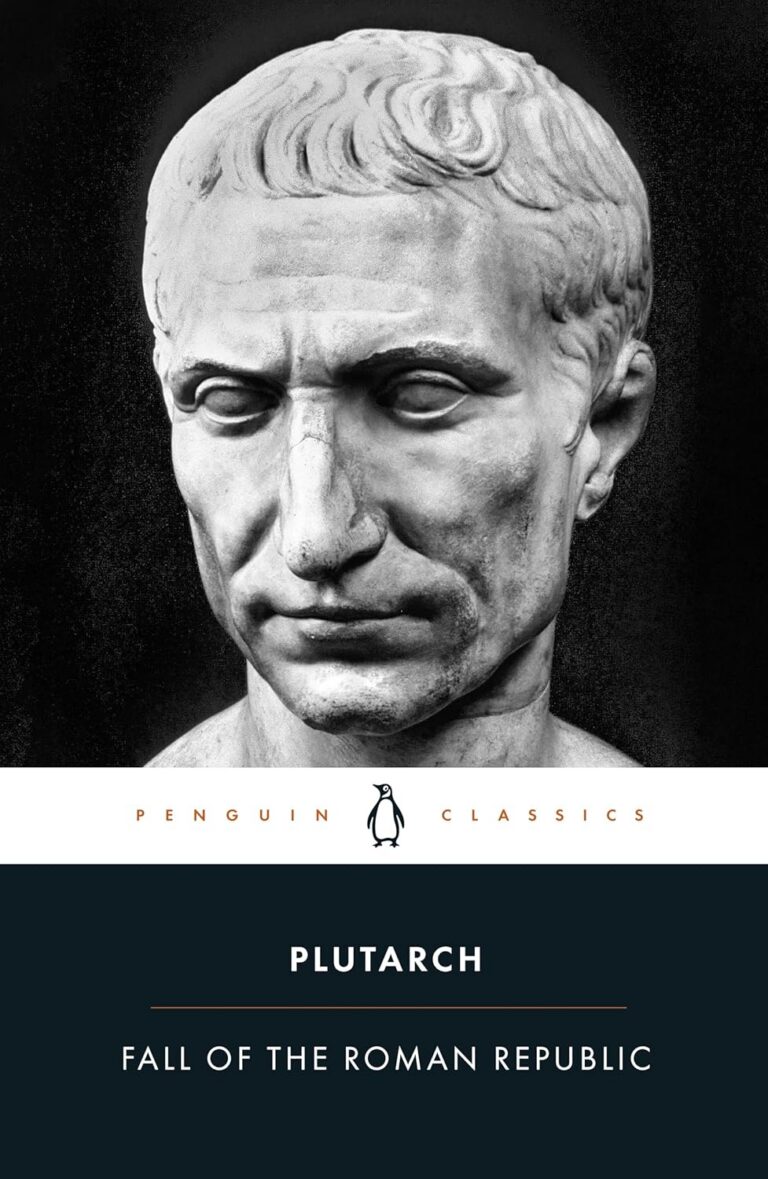
5. Fall of the Roman Republic
This Plutarch selection follows six men whose careers shaped the end of the Roman Republic, usually including Marius, Sulla, Crassus, Pompey, Caesar and Cicero. It is useful for readers who want the people and political choices behind late-republican civil conflict, rather than a battle-by-battle military history.…
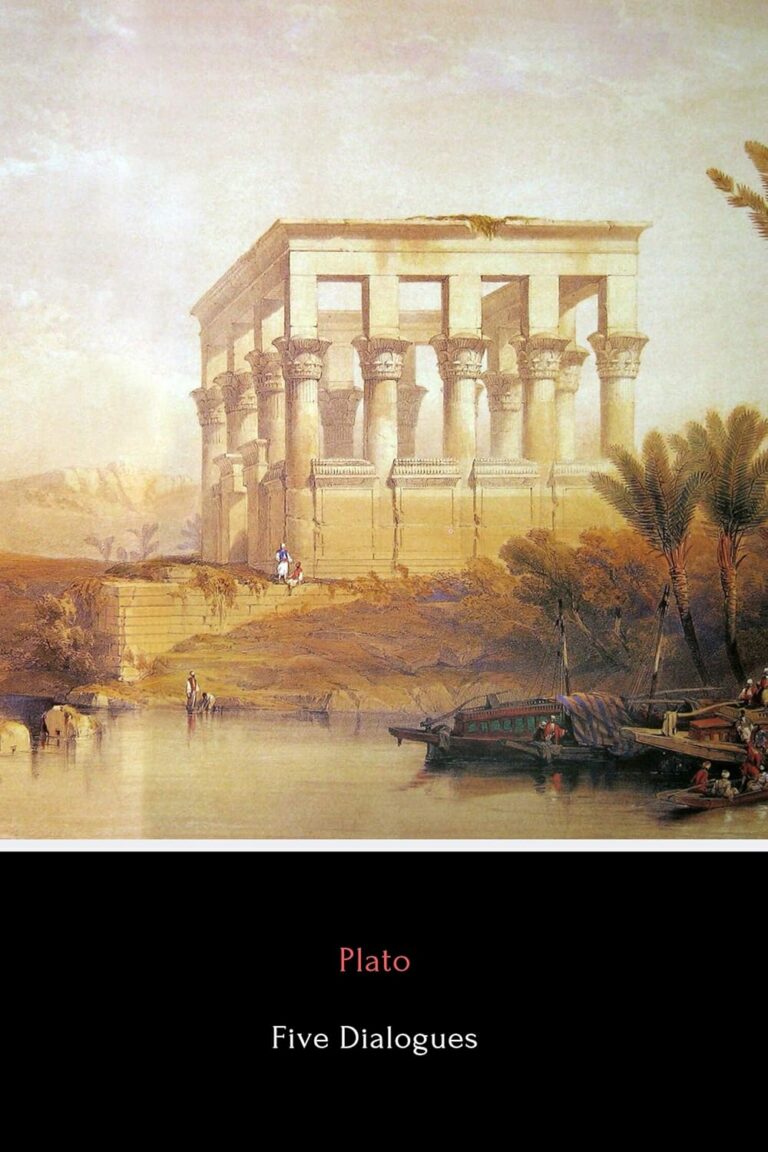
6. Five Dialogues
Plato’s Five Dialogues—consisting of Euthyphro, Apology, Crito, Meno, and Phaedo—serve as the foundational narrative arc detailing the trial, imprisonment, and execution of Socrates in 399 BCE. Through these interconnected philosophical conversations, Plato explores the core tension between individual conscience and state authority. The collection introduces fundamental…
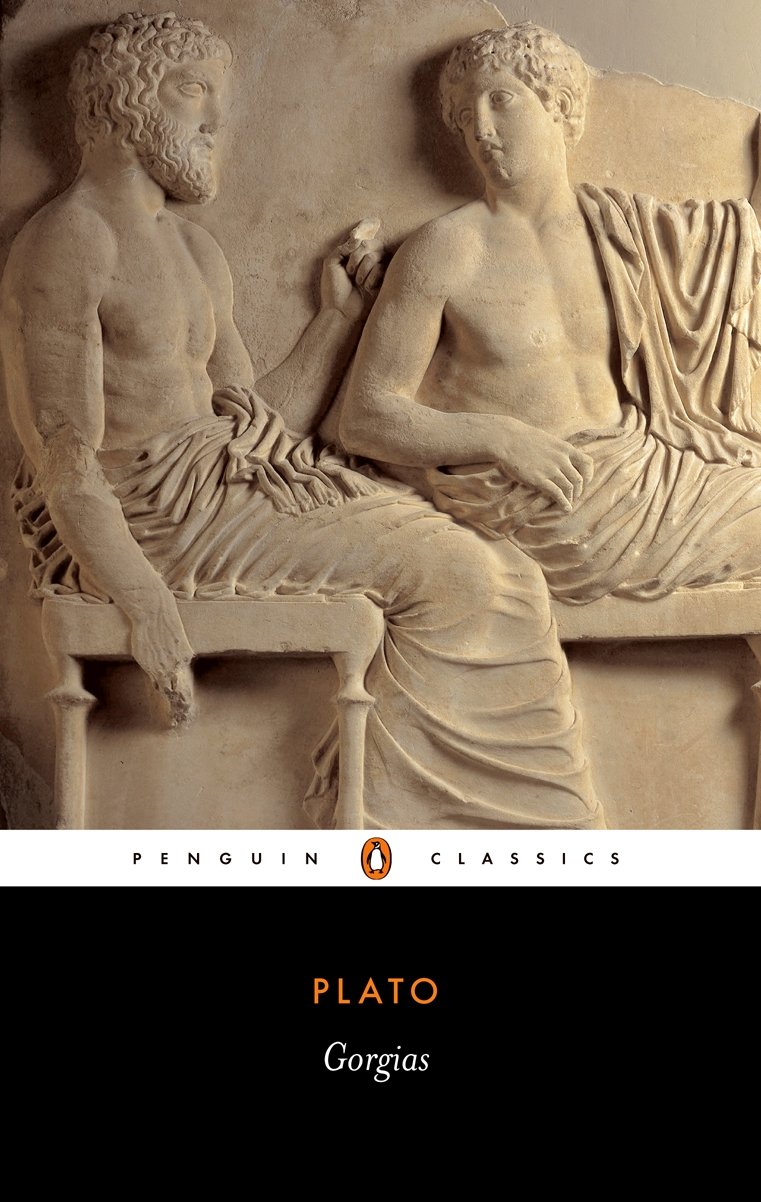
7. Gorgias
Plato’s Gorgias stages a confrontation between Socrates and advocates of rhetoric, power and political success. The dialogue asks whether persuasive speech can be separated from justice, and whether the life of public influence is morally superior to the examined life.
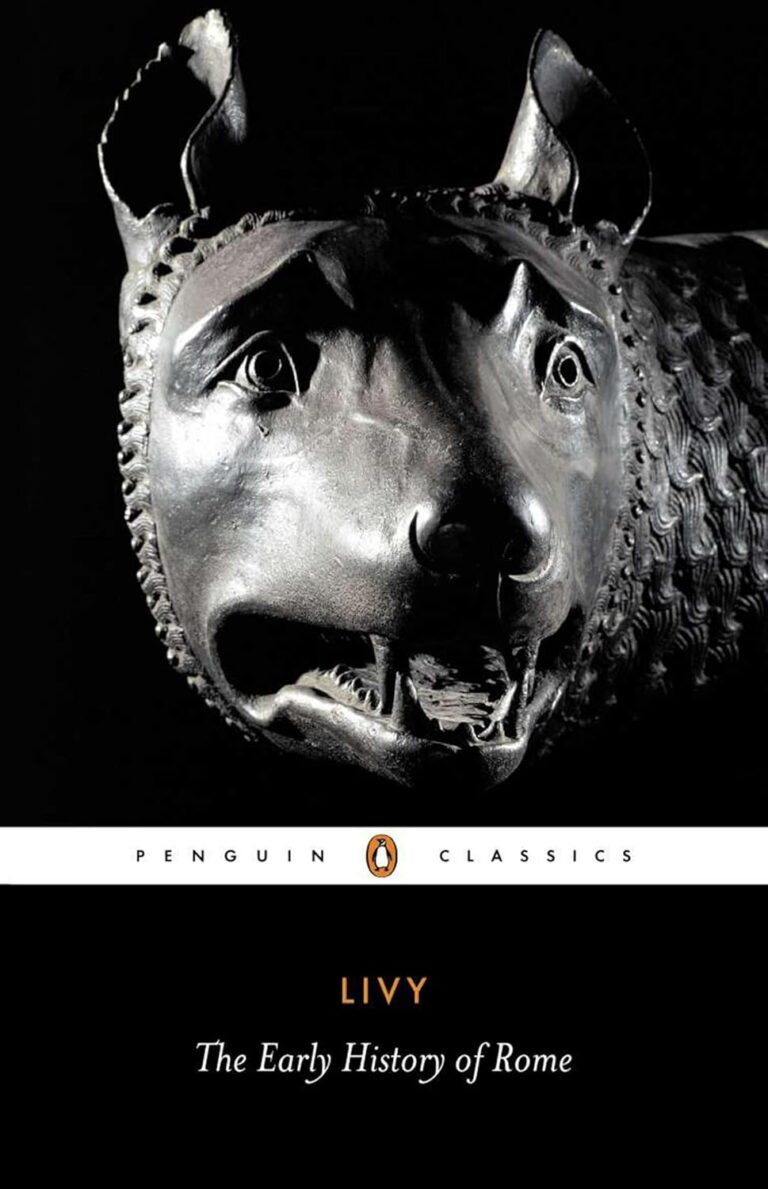
8. History of Rome
This volume contains Livy’s account of Rome’s earliest history in Books 1–5 of Ab Urbe Condita. It begins with foundation legend, Trojan ancestry, Romulus, the kings of Rome and the expulsion of monarchy, then follows the early Republic through social conflict, war with neighbouring peoples and…
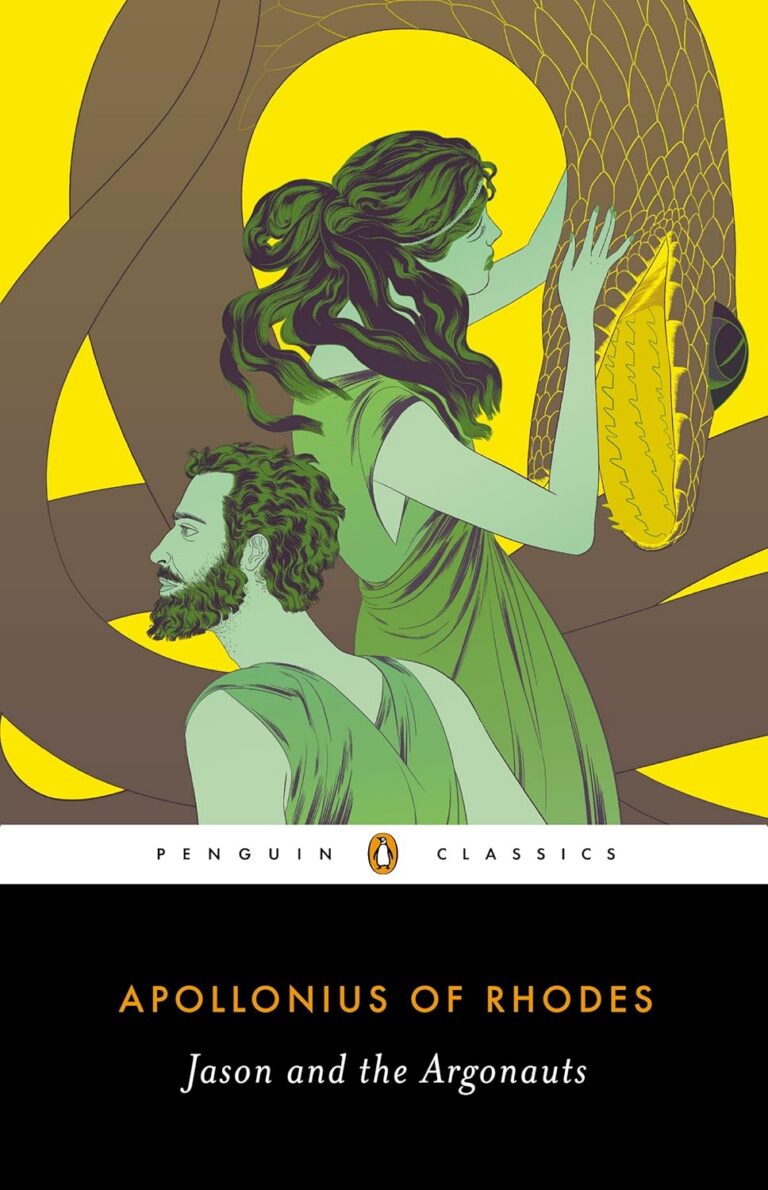
9. Jason and the Argonauts
Jason was the leader of the Argonauts, the band of heroes who sailed aboard the Argo to Colchis in search of the Golden Fleece. The son of Aeson, the rightful king of Iolcus, he undertakes the expedition after his uncle Pelias promises to surrender the throne…
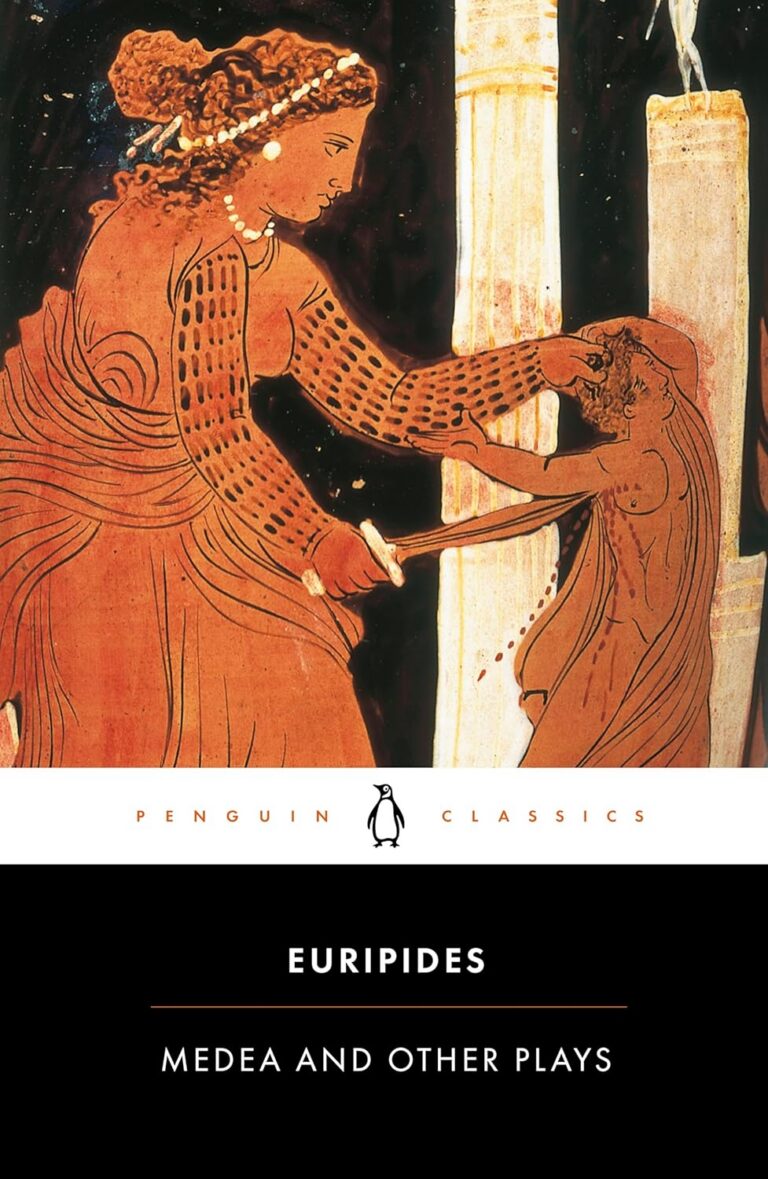
10. Medea and Other Plays
Medea and Other Plays brings together four tragedies by Euripides that examine marriage, exile, family obligation, religious duty and the destructive consequences of wounded honour. In Medea, Jason abandons the wife who helped him obtain the Golden Fleece and chooses a politically advantageous marriage to the…
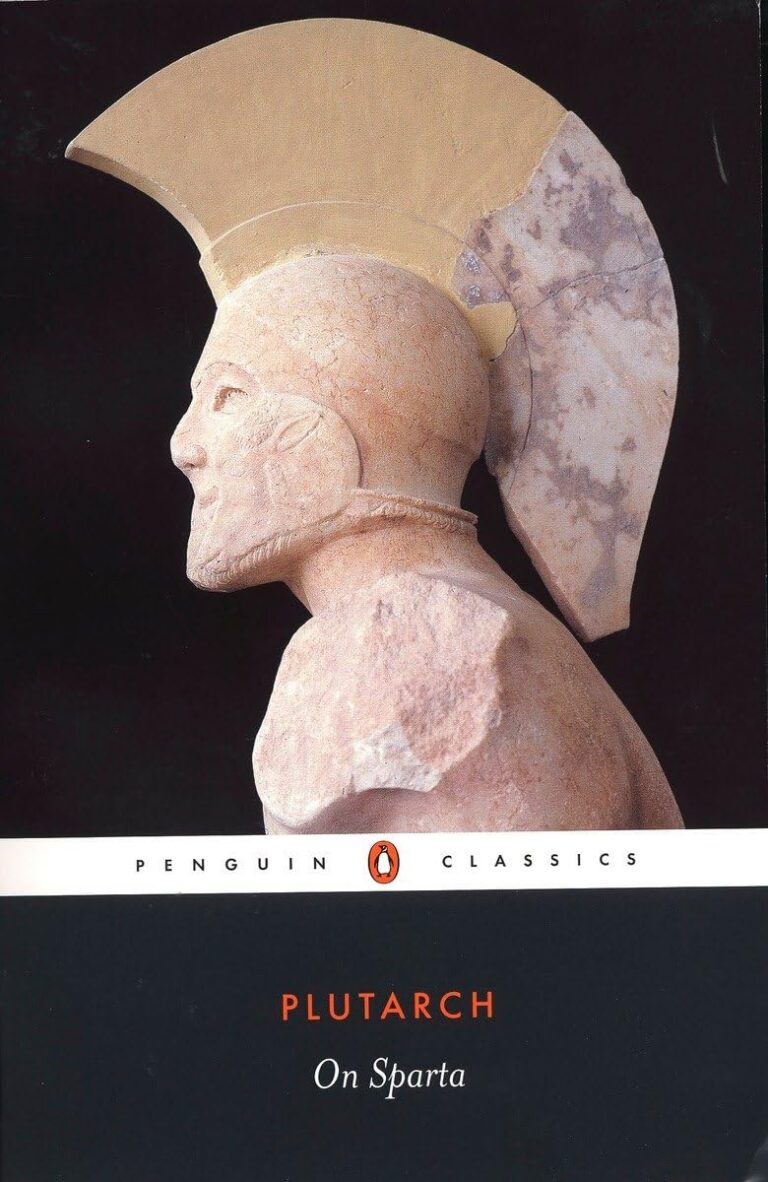
11. On Sparta
This volume presents ancient writing on Sparta, especially Xenophon and Plutarch, with attention to law, education, discipline, kingship and civic identity. The book gives readers the idealised and critical traditions through which Sparta became a model of austerity, military order and political difference in Greek thought.
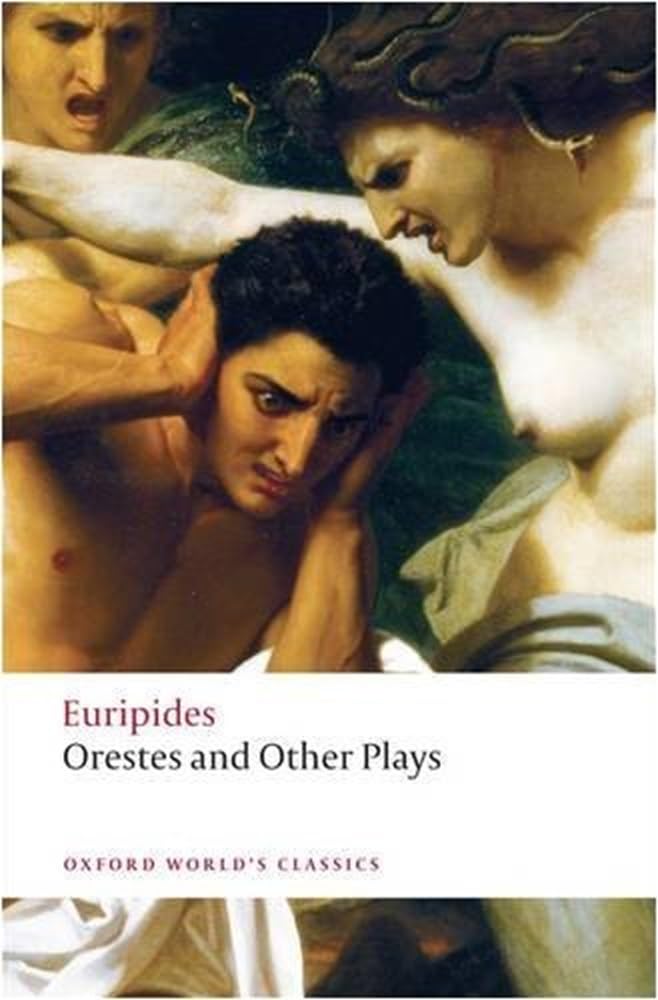
12. Orestes and Other Plays
Ion follows a young servant at Apollo’s sanctuary in Delphi who is drawn into a dispute over parentage when Creusa and Xuthus seek an heir. Orestes begins after the killing of Clytemnestra, as Orestes and Electra face execution and attempt to force help from Menelaus by…
13. Plato Six Pack
The Plato Six Pack is a comprehensive anthology that expands the foundational narrative of Socrates' final days by introducing two of Plato’s most celebrated philosophical works. While it retains Euthyphro, Apology, Crito, and Phaedo, this collection famously excludes Meno to make room for Symposium and The…
14. Prometheus Bound and Other Plays
Prometheus Bound and Other Plays brings together four tragedies traditionally associated with Aeschylus: Prometheus Bound, The Suppliants, Seven Against Thebes and The Persians. Although each play addresses a different myth, conflict or historical event, the collection repeatedly examines the relationship between power and justice. Kings, gods,…
15. Symposium
Plato’s Symposium turns a drinking party into a sequence of speeches on love, beauty and philosophical ascent. Socrates’ account of Diotima’s teaching gives the dialogue its central movement from erotic desire to the contemplation of beauty itself, while the arrival of Alcibiades returns philosophy to the…
16. The Aeneid
The Aeneid is a Latin epic written by Virgil during the Augustan Age and centred on Aeneas, a Trojan prince who escapes the destruction of Troy. Carrying his elderly father Anchises and leading a group of survivors into exile, Aeneas searches for the land in which…
17. The Age of Alexander
This Plutarch selection collects Greek lives from the world before, during and after Alexander’s rise. It is useful for people-centred accounts of fourth-century Greece and Macedon, including the political world around Demosthenes, Phocion and Alexander, the fall of the independent city-state order and the campaigns that…
18. The Annals of Imperial Rome
His last work, regarded by many as the greatest work of contemporary scholarship, Tacitus' The Annals of Imperial Rome recount with depth and insight the history of the Roman Empire during the first century A.D. This Penguin Classics edition is translated with an introduction by Michael Grant.Tacitus' Annals of…
19. The Bacchae and Other Plays
The Bacchae and Other Plays brings together five dramas associated with Euripides that explore civil conflict, family violence, religious authority and the demands of war. The plays move between Thebes, Argos and the Greek camp at Aulis, showing rulers and royal households placed under pressures they…
20. The Conquest of Gaul
Between 58 and 50BC Caesar conquered most of the area now covered by France, Belgium and Switzerland, and twice invaded Britain. This is the record of his campaigns.Caesar's narrative offers insights into his military strategy & paints a fascinating picture of his encounters with the inhabitant…
21. The Enneads
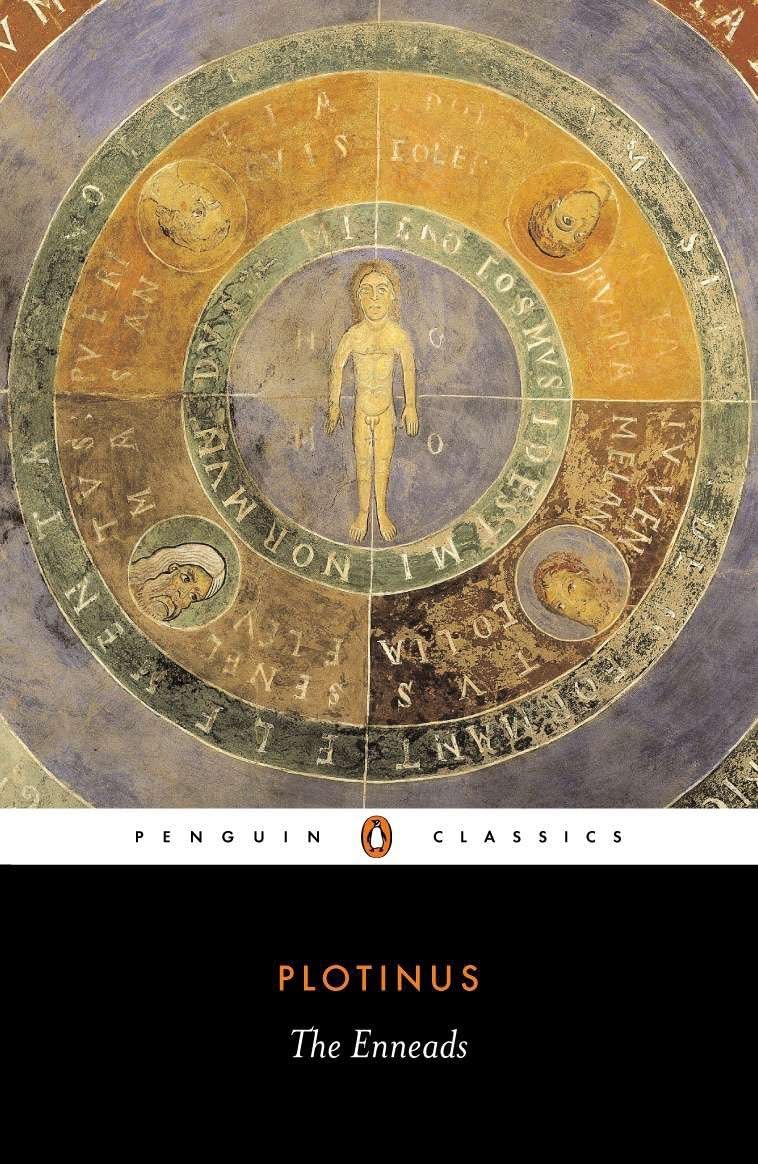
Plotinus’s Enneads present the central texts of Neoplatonism, moving from the material world through soul and intellect toward the One. The work belongs to late antique philosophy and became a major bridge between classical Platonism, Christian thought and medieval metaphysics.
22. The Histories
Herodotus’s Histories is a major source for the Greco-Persian Wars and the wider world that led to them. It covers Persian, Lydian, Egyptian, Scythian and Greek settings before moving into the Ionian Revolt, Marathon, Thermopylae, Salamis and Plataea. The work is valuable for readers wanting narrative…
23. The Iliad
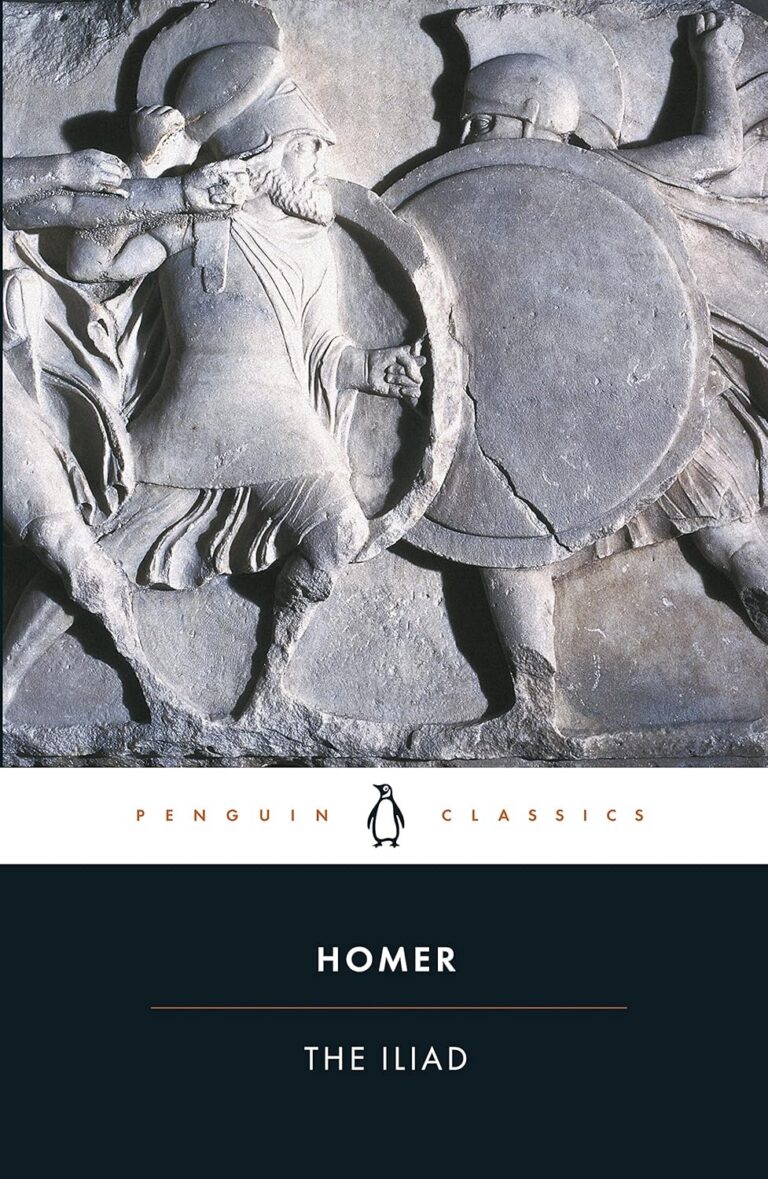
The Iliad is an ancient Greek epic traditionally attributed to Homer and set during the final year of the Trojan War. Rather than narrating the whole conflict, it concentrates on a brief period shaped by the anger of Achilles. After Agamemnon takes Briseis from him, Achilles…
24. The Last Days of Socrates
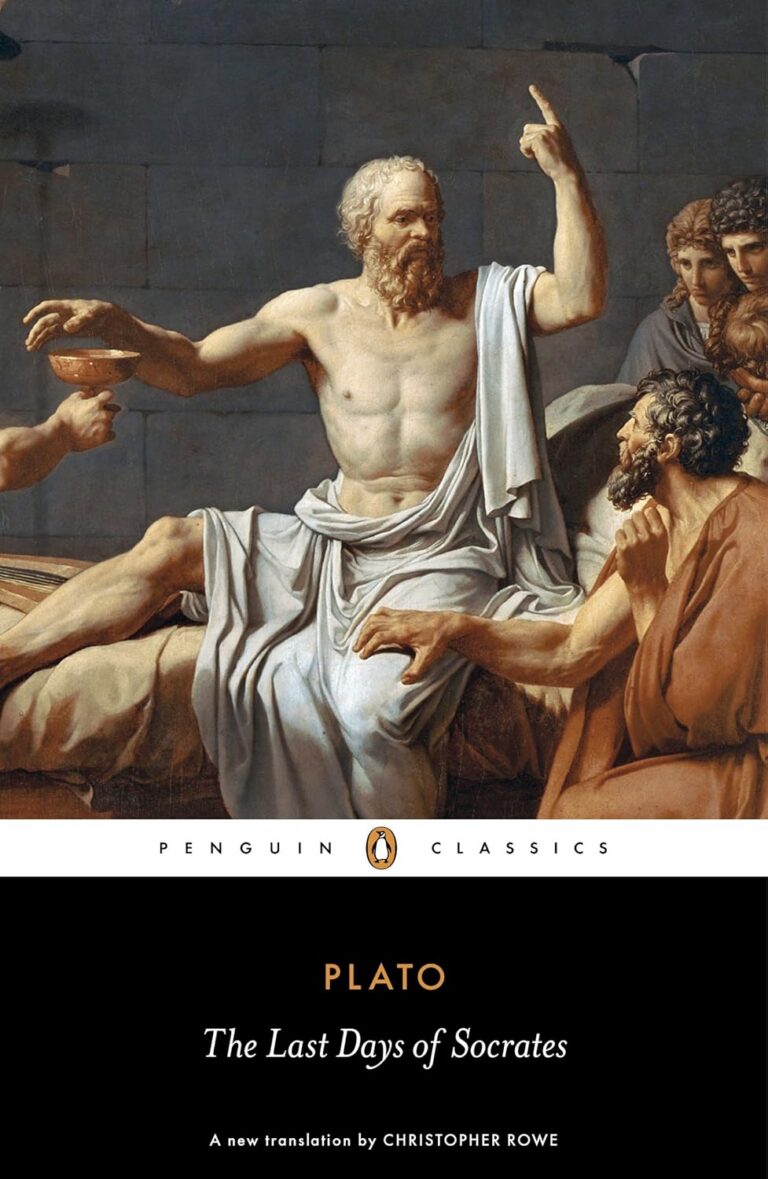
This Plato collection follows Socrates through accusation, trial, imprisonment and death. The dialogues treat piety, civic obedience, philosophical vocation and the soul, turning the execution of Socrates into one of the central moral and intellectual dramas of classical Athens.
25. The Makers of Rome
This Plutarch selection presents Roman lives as sources for the character, ambitions and public consequences of leading figures in the Republic. The book is useful for readers following the people behind Roman political crisis, military command and moral exempla, though each life is shaped as biography…
26. The Odyssey
Homer’s The Odyssey, in the Penguin Classics edition translated by E. V. Rieu, revised by D. C. H. Rieu and introduced by Peter Jones, follows the consequences of the Trojan War through the experiences of Odysseus and the family waiting for him in Ithaca. The poem…
27. The Rise and Fall of Athens
This Plutarch collection gives biographical sources for Athens from legendary Theseus through Solon, Themistocles, Aristides, Cimon, Pericles, Nicias, Alcibiades and Lysander. The lives cover the Persian Wars, the growth of Athenian power, the Peloponnesian War, Sicilian Expedition and the city’s eventual defeat. It is useful for…
28. The Satyricon
Petronius’s Satyricon is a fragmentary Roman prose-and-verse fiction following Encolpius through a world of sex, fraud, dining, performance and social pretension. Its most famous section, Trimalchio’s dinner, satirises wealth, freedmen and elite imitation under the early empire.
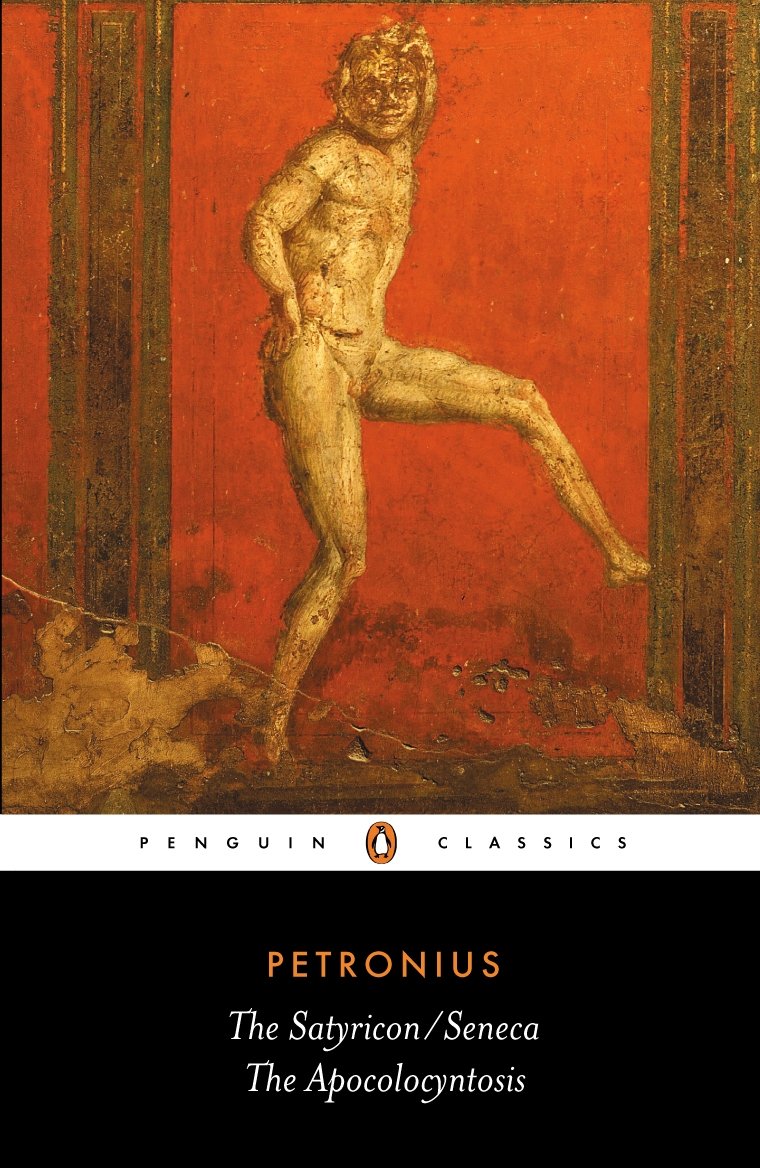
29. The Satyricon and the Apocolocyntosis
This volume pairs Petronius’s Satyricon with Seneca’s Apocolocyntosis, two satirical works from the Julio-Claudian world. One exposes social absurdity through comic fiction, while the other mocks the deification of Claudius, giving the reader a sharp view of literary satire under imperial power.
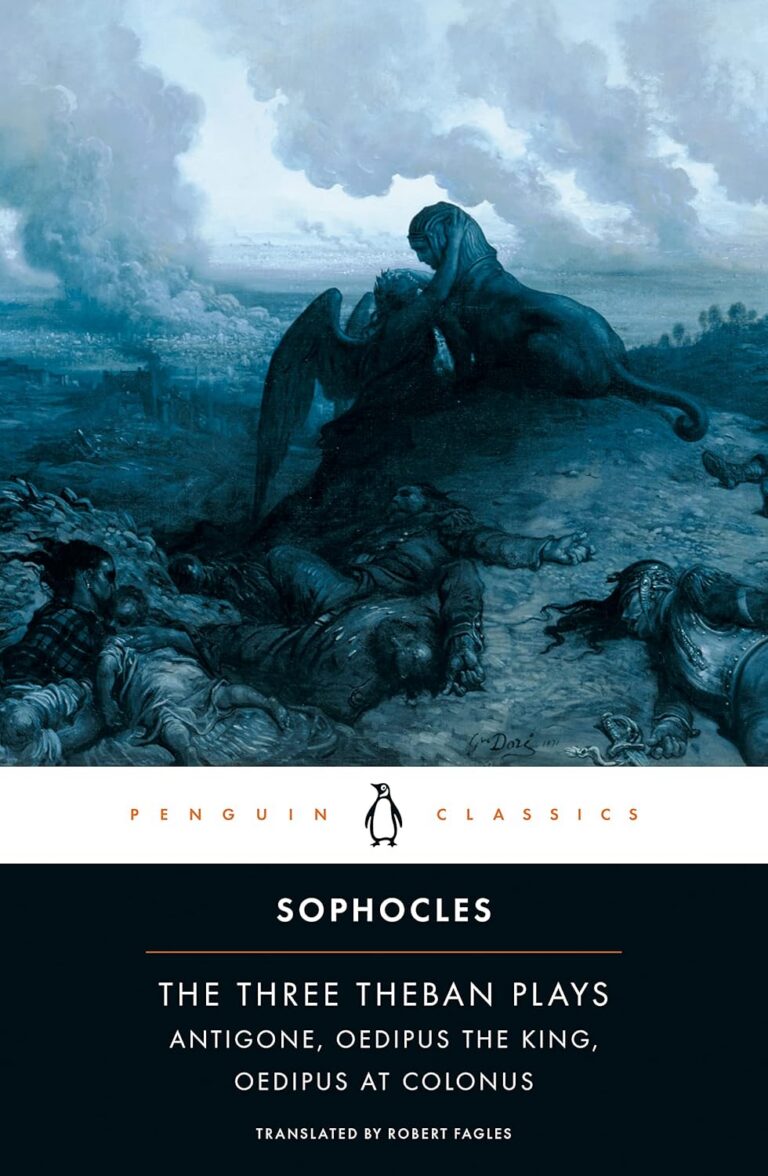
30. The Three Theban Plays
The Three Theban Plays brings together Sophocles’ Oedipus the King, Oedipus at Colonus and Antigone, three tragedies concerned with the destruction and aftermath of the Theban royal house. Although they are often read as a trilogy, Sophocles composed them separately and not in the chronological order…
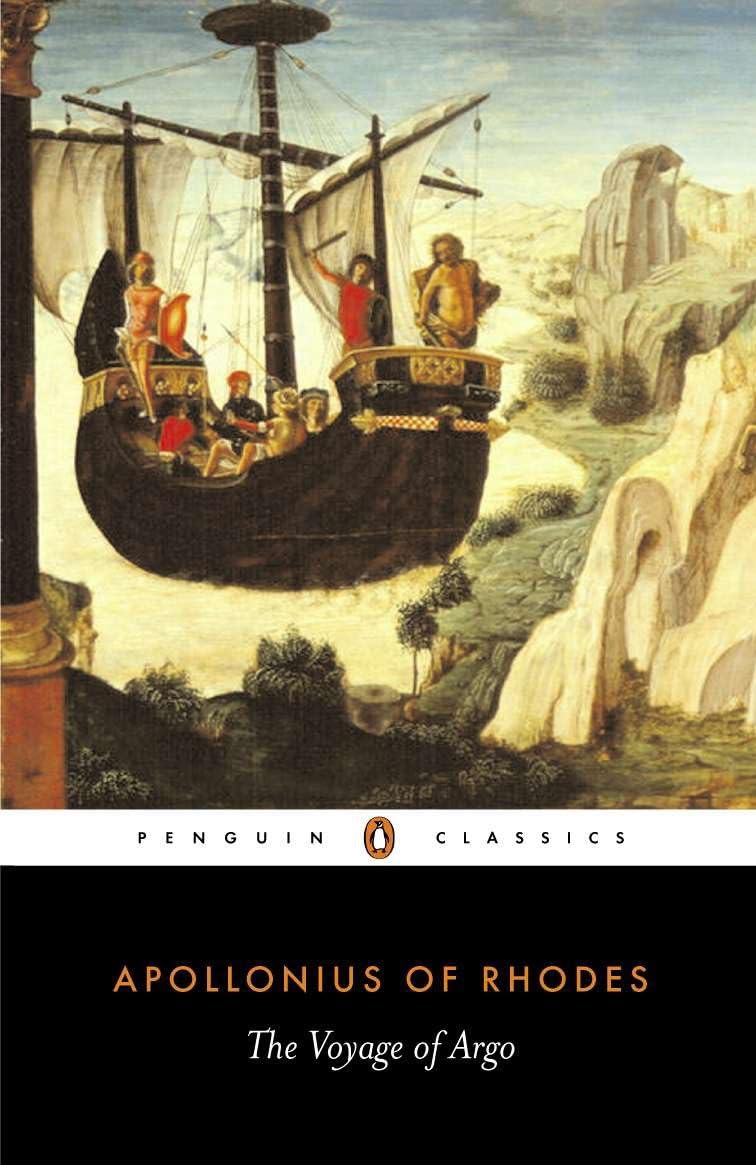
31. The Voyage of Argo
The Voyage of Argo is an English translation of Apollonius of Rhodes’s Argonautica, a Hellenistic Greek epic about Jason, Medea and the Argonauts’ quest for the Golden Fleece. Composed in the third century BCE, the poem draws upon older heroic traditions while presenting them through the…
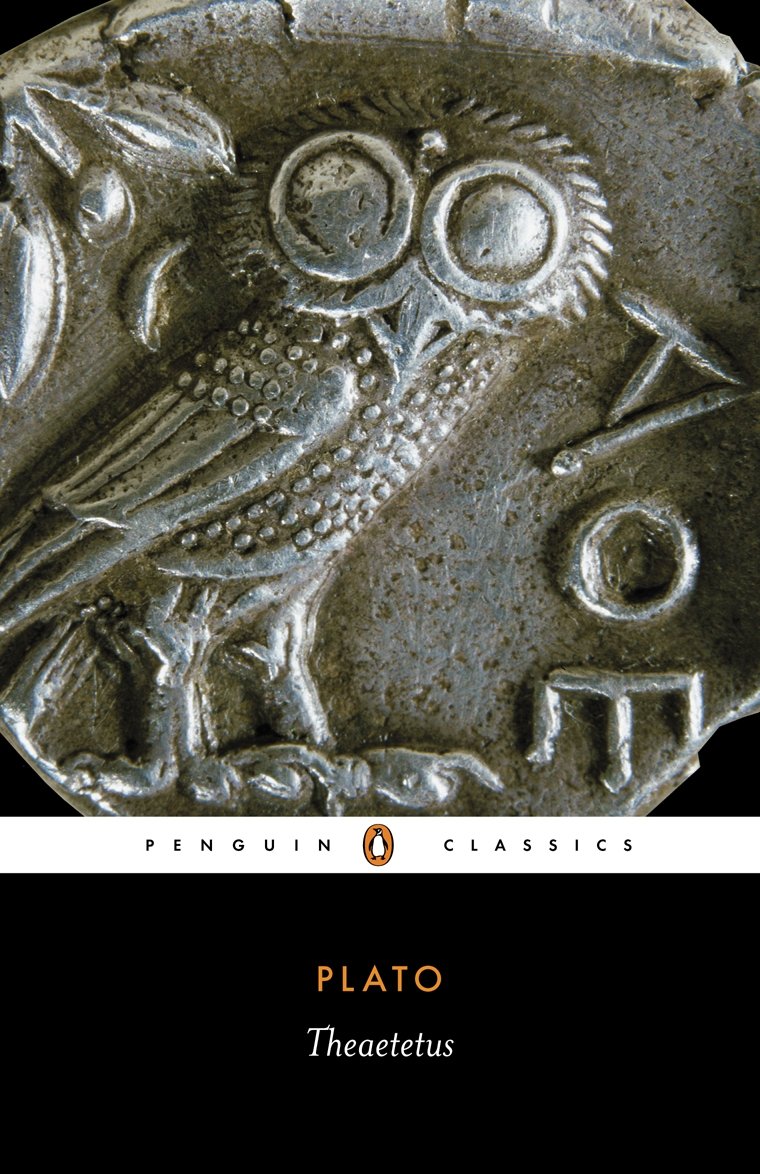
32. Theaetetus
Plato’s Theaetetus is a dialogue on knowledge, perception, judgement and false belief. Socrates questions the young mathematician Theaetetus in a searching but unresolved inquiry, making the work central to Platonic epistemology and the dramatic portrait of Socrates as philosophical midwife.