Books
Phase
Early Soviet Moscow and the New Economic Policy
1922–1929
After the destruction of revolution and civil war, the New Economic Policy restored a limited sphere of private trade while the Soviet state retained control of major industry, banking and transport. Moscow became the capital of the new union in 1922 and absorbed displaced people, returning soldiers and expanding government institutions.
The period brought partial economic recovery, but daily life remained shaped by overcrowded housing, shortages, unstable employment and political surveillance. Writers and intellectuals worked within an increasingly regulated cultural system, and by the end of the decade the government was abandoning the New Economic Policy for forced industrialisation and collectivisation.
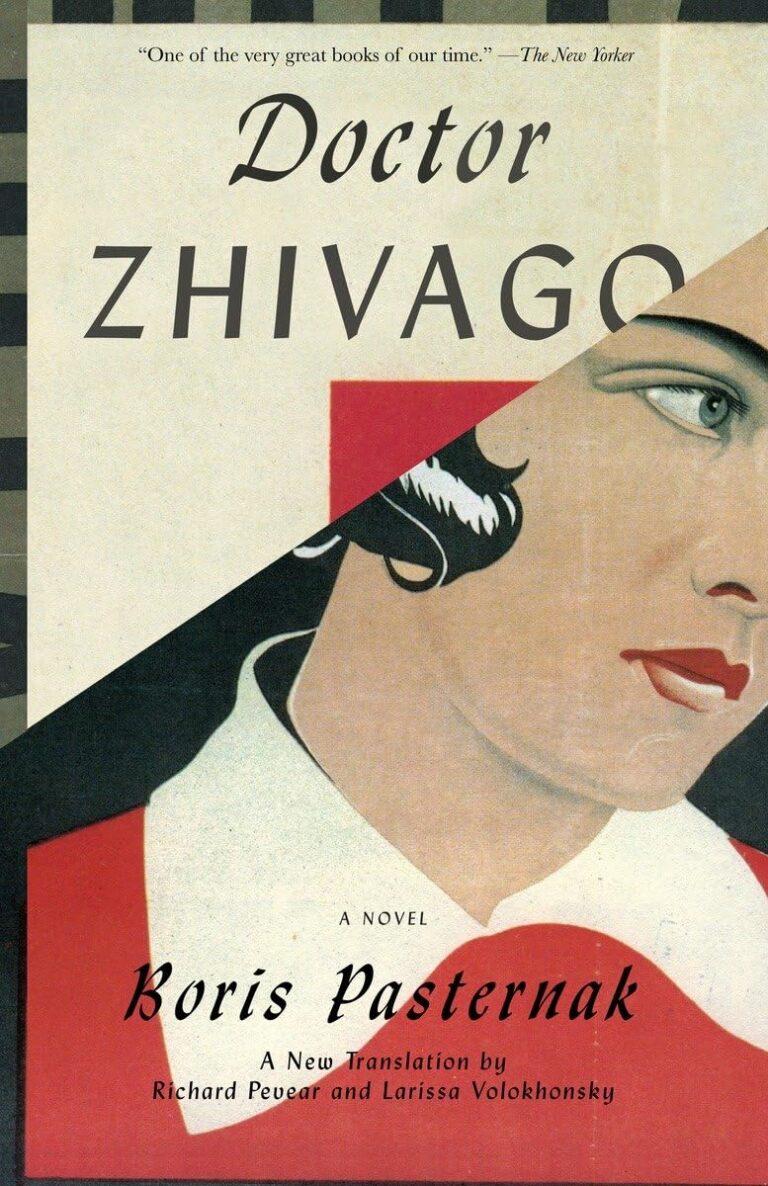
The later chapters of Doctor Zhivago place Yuri in a transformed Moscow where family connections have fractured and private life is constrained by poverty, bureaucracy and ideological conformity. His decline provides an intimate measure of the human cost of the post-revolutionary order.