
Historical person
Thrasybulus
c. 440s–388 BCE
Thrasybulus was an Athenian democratic politician and general who became prominent during the final decades of the Peloponnesian War. When oligarchs seized power at Athens in 411 BCE, the fleet stationed at Samos remained an important centre of democratic resistance and elected Thrasybulus to command. He helped recall Alcibiades and took part in the renewed Athenian naval campaign, including victories in the Hellespont. His career therefore linked military command directly with the constitutional conflicts that destabilised Athens during the war.
After Athens surrendered to Sparta in 404 BCE, the Spartan-backed Thirty established a violent oligarchic regime and drove many opponents into exile. Thrasybulus gathered a small force at Phyle, defeated forces sent against him and advanced to Piraeus, where the democrats won at Munychia. The settlement of 403 restored the democracy and became famous for a broad amnesty intended to limit reprisals. Thrasybulus remained active in later wars and was killed while campaigning near Aspendus in 388 BCE. His death is therefore two years later than the 390 date previously recorded.
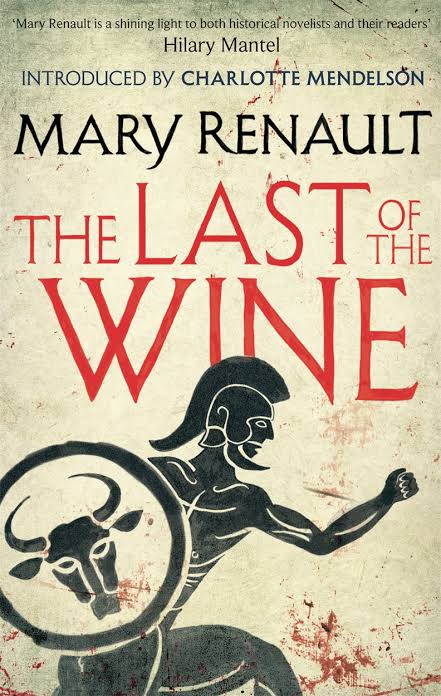
Mary Renault’s The Last of the Wine brings its fictional Athenians Alexias and Lysis into Thrasybulus’ democratic resistance after the rule of the Thirty. Their participation at Phyle and Munychia allows the novel to connect personal loss with the recovery of the polis. Renault follows the broad historical sequence closely, but her protagonists’ conversations and direct relationships with famous Athenians are literary inventions built around the documented democratic campaign.
Standalone books
Standalone books featuring Thrasybulus (1 book)