
Historical person
Priscus of Epirus
305–395
Priscus of Epirus was a fourth-century Neoplatonist philosopher and theurgist associated with the circle of Aedesius and with the emperor Julian. Born around 305, he studied in the philosophical tradition that developed from Iamblichus and later taught at Athens. Julian encountered him as a student and valued his learning highly, maintaining contact with him while advancing through the imperial hierarchy.
When Julian became emperor in 361, Priscus joined his court and participated in the intellectual revival of traditional Greco-Roman religion that Julian attempted to promote. Priscus accompanied the emperor on the Persian campaign of 363 and was present near the end of Julian’s life. After Julian’s death he was arrested during later investigations of pagan philosophers but was released, unlike Maximus of Ephesus. Priscus returned to Athens and continued teaching for decades, probably dying around 395.
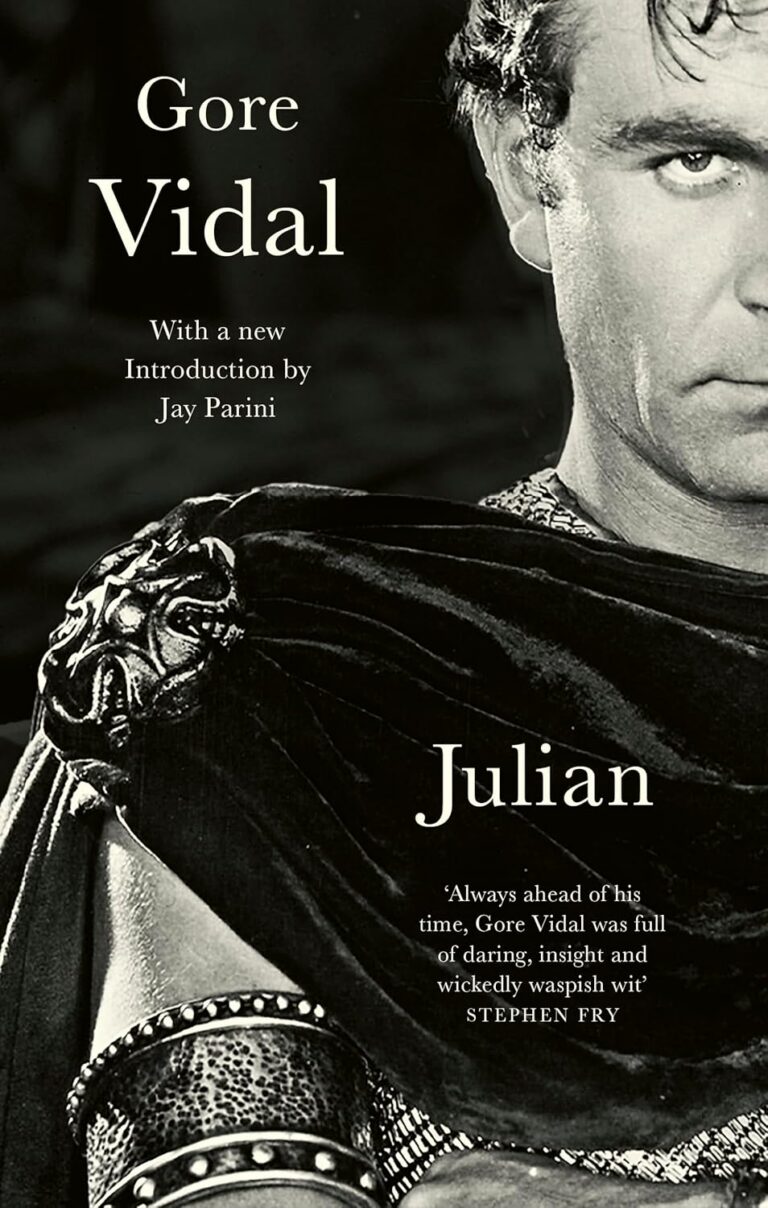
In Gore Vidal’s Julian, Priscus of Epirus shares the framing correspondence with Libanius through which Julian’s memoir reaches the reader. Priscus’s sceptical marginal comments challenge both Julian’s self-presentation and Libanius’s reverence, giving the philosopher a role as critic as well as survivor of the emperor’s pagan intellectual circle. His presence helps the novel examine how memory, philosophical allegiance and later religious politics shape the historical record.
Standalone books
Standalone books featuring Priscus of Epirus (1 book)