Martin Luther was a German theologian, Augustinian friar and university professor whose challenge to church practices helped initiate the Protestant Reformation. Born in Eisleben in 1483, he entered the monastery after abandoning legal studies and later taught biblical theology at Wittenberg. His criticism of indulgence preaching culminated in the Ninety-Five Theses of 1517, which rapidly became part of a much wider dispute over papal authority, salvation and ecclesiastical power.
Luther argued that sinners are justified by faith through divine grace and increasingly rejected doctrines and institutions he believed lacked scriptural authority. Excommunicated in 1521, he refused to recant at the Diet of Worms and was protected by Frederick the Wise. His German Bible translation profoundly influenced language and religious culture, while his marriage to Katharina von Bora modelled Protestant clerical family life. Luther also wrote harshly against peasants, Jews and religious opponents, leaving a complex and contested legacy.
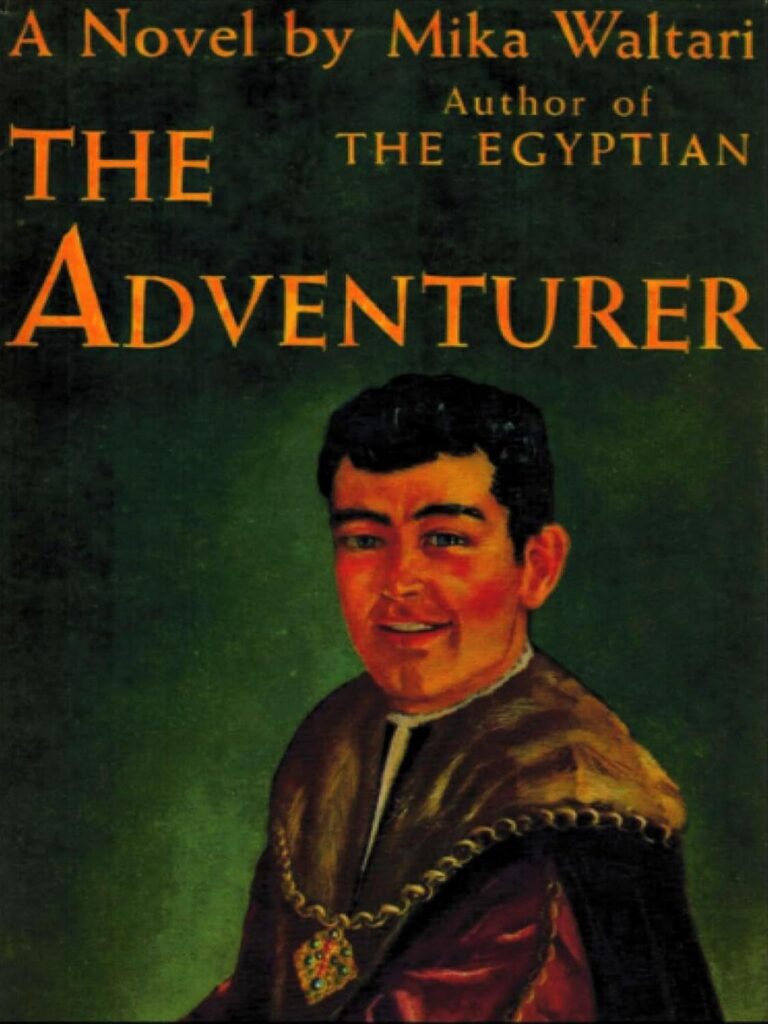
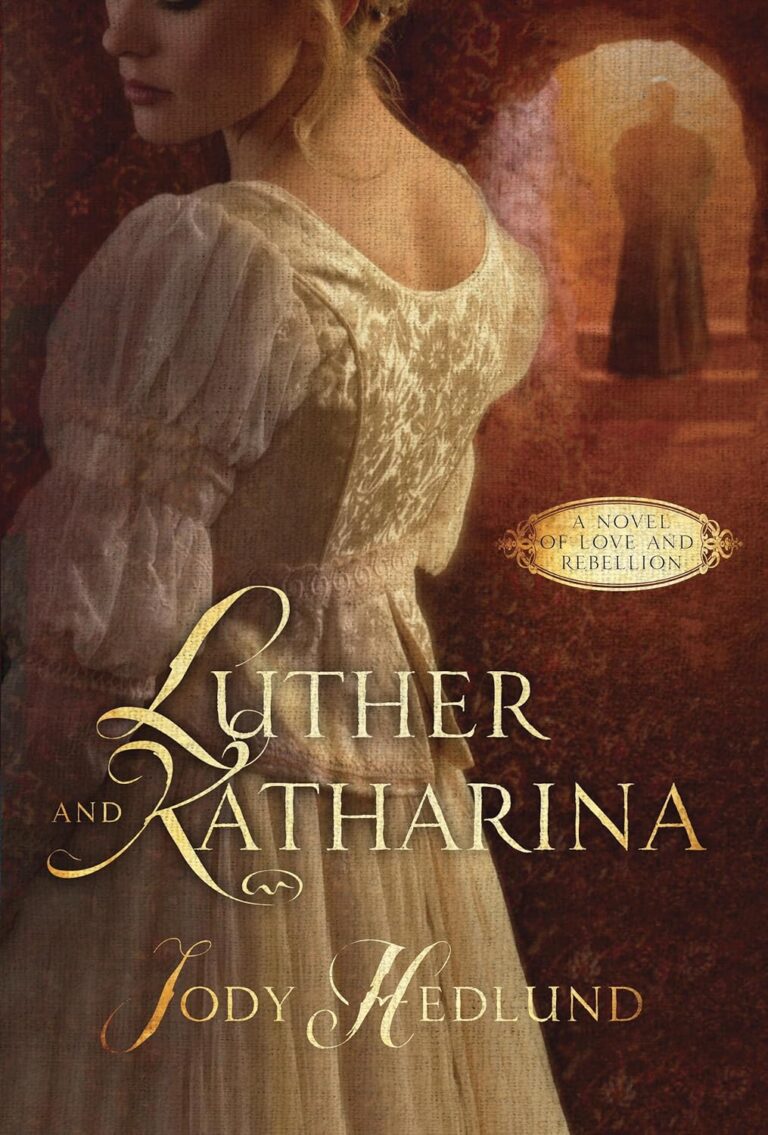
In Jody Hedlund’s Luther and Katharina, A Christy Award-winning novel chronicling the forbidden romance between Martin Luther and his wife, Katharina von Bora, set against the Protestant Reformation of the sixteenth century. Further fictional perspectives on Martin Luther can be found in Mika Waltari’s The Adventurer.