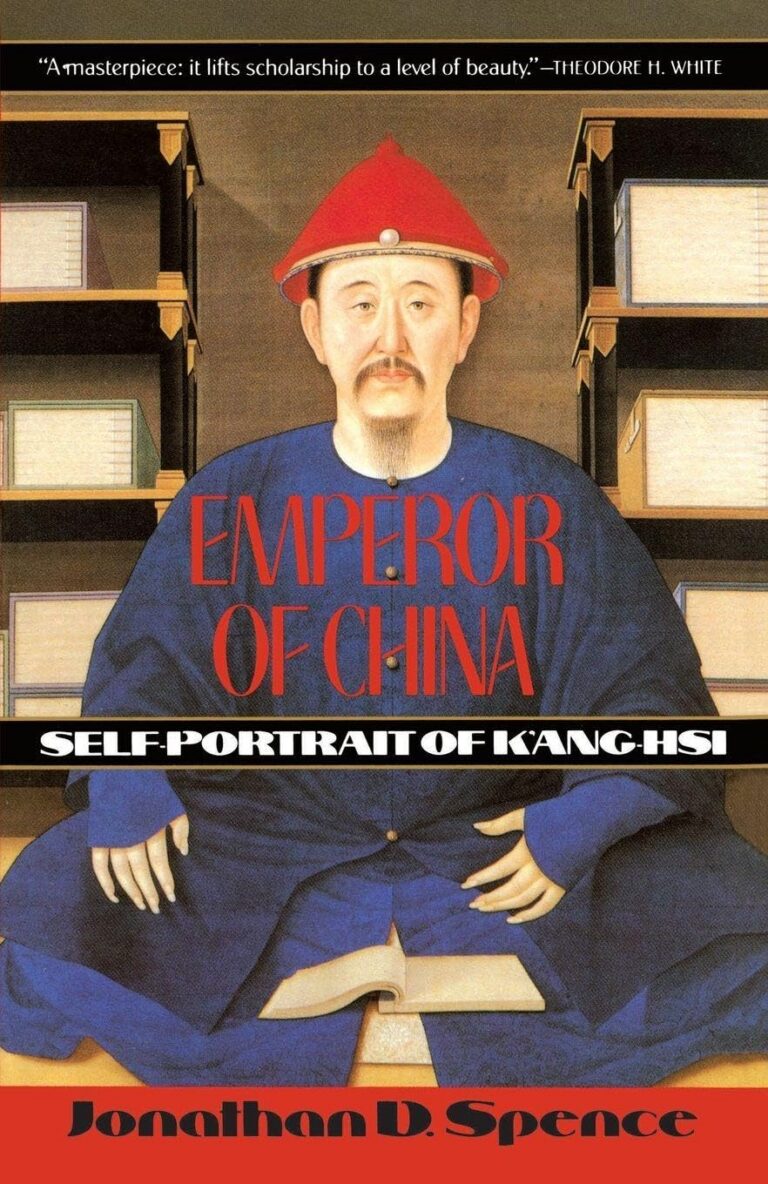
The Kangxi Emperor, born Xuanye of the Aisin Gioro house, became emperor of the Qing dynasty in 1661 while still a child. After removing the powerful regent Oboi from effective control in 1669, he assumed personal rule and spent decades consolidating the Manchu conquest of China. His government defeated the Revolt of the Three Feudatories, incorporated Taiwan after the Zheng regime’s surrender and strengthened imperial control over a vast and still politically fragile empire.
Kangxi combined military expansion with a cultivated image of Confucian kingship. He sponsored major scholarly projects, including the Kangxi Dictionary, toured the southern provinces and made use of Jesuit mathematicians, astronomers and technicians at court. The Treaty of Nerchinsk with Russia in 1689 helped stabilise the northern frontier, while campaigns against the Dzungars extended Qing influence in Inner Asia. His sixty-one-year reign brought institutional durability, though prolonged conflict among his sons over the succession troubled his final years before his death in 1722.
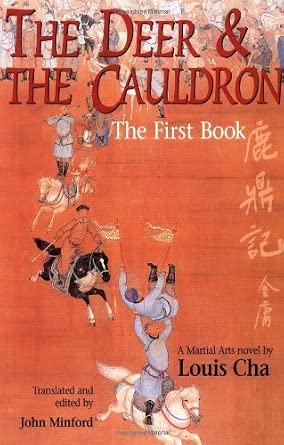
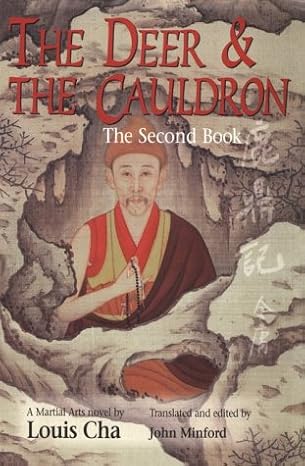
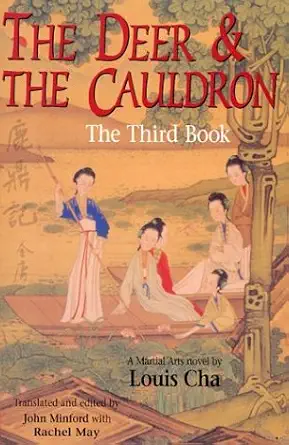
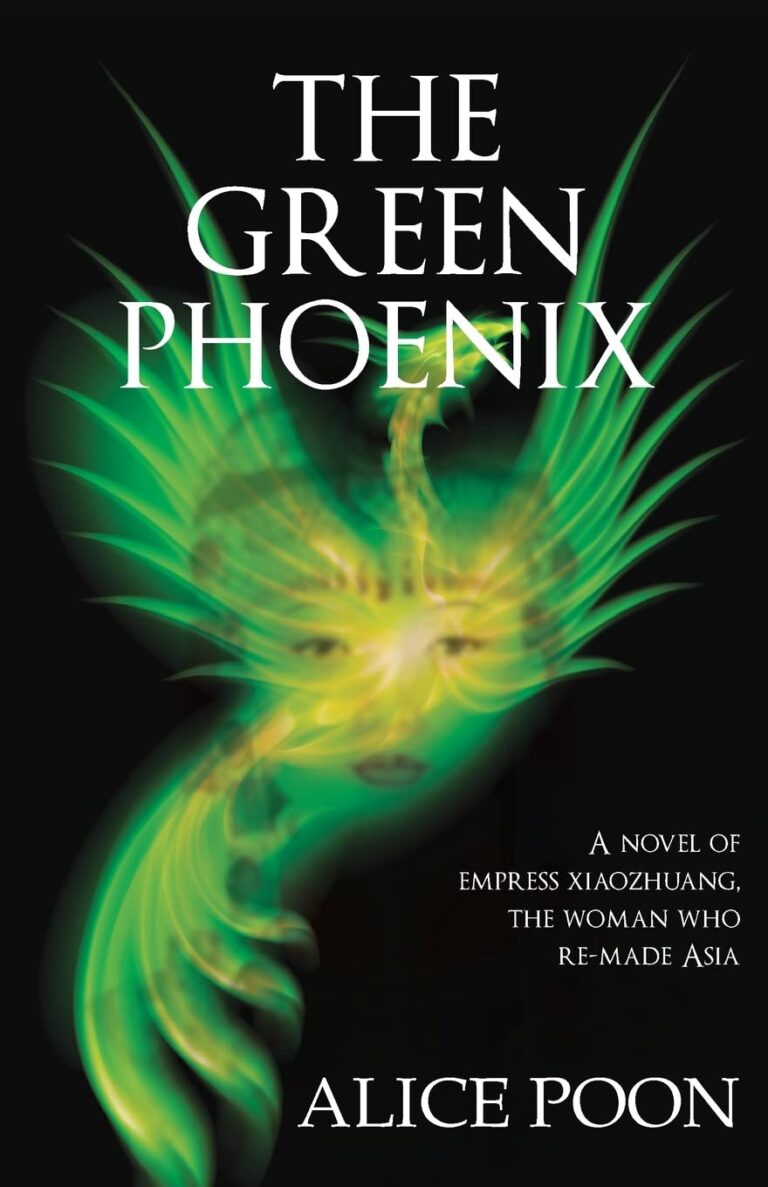
Jonathan D. Spence’s Emperor of China reconstructs the life and government of the Kangxi Emperor from his own surviving words. In Alice Poon’s The Green Phoenix: A Novel of Empress Xiaozhuang, the Woman Who Re-Made Asia, as Dorgon’s armies enter Beijing and complete the first phase of the Qing conquest, Bumbutai must safeguard her young son, negotiate rivalries within the Aisin Gioro clan and preserve a workable relationship between Manchu, Mongol and Chinese elites. Later, as grandmother and adviser to the Kangxi Emperor, she helps secure the dynasty’s future. Further fictional perspectives on Kangxi Emperor can be found in Jin Yong’s The Deer & the Cauldron: Book 1, Jin Yong’s The Deer & the Cauldron: Book 2, and Jin Yong’s The Deer and the Cauldron: Book 3.