
Historical person
Hipparchus
6th century BCE–514 BCE
Hipparchus was a son of Peisistratus and, with his elder brother Hippias, belonged to the ruling family that dominated Athens after their father’s death. Ancient tradition associates him particularly with literary and religious patronage, including the encouragement of poets and festivals, rather than with the later astronomer of the same name.
In 514 BCE Hipparchus was killed by Harmodius and Aristogeiton during the Panathenaic festival. The killing did not immediately end the Peisistratid regime—Hippias remained in power for several more years—but later Athenian memory turned the assassins into celebrated “tyrannicides”, giving Hipparchus’s death a much larger place in the civic story of resistance to tyranny.
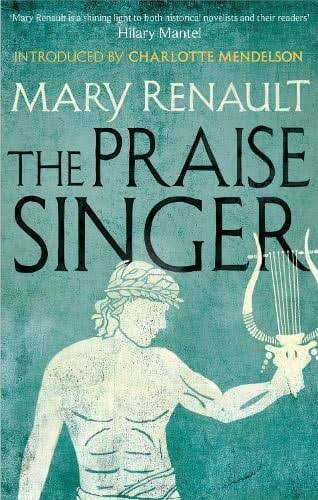
Mary Renault’s The Praise Singer portrays Hipparchus, son of Peisistratus, as the cultivated Athenian ruler who becomes an important patron of the poet Simonides. Simonides prospers within the cultural world supported by Hipparchus and gains unusually close access to the ruling family. That proximity brings him near the personal tensions culminating in Hipparchus’s assassination by Harmodius and Aristogeiton, allowing the novel to connect court patronage and artistic achievement with the violent political transition that followed.
Standalone books
Standalone books featuring Hipparchus (1 book)