fl. 1069–1071
Hereward the Wake was an English landholder and resistance leader whose historical career is recorded only fragmentarily. He is most closely associated with the Fenlands and the Isle of Ely, where English rebels continued to oppose William the Conqueror after the main royal and regional uprisings had been defeated.
The marsh landscape allowed defenders to use waterways, causeways and local knowledge against Norman troops. Hereward became the most enduring symbol of armed English resistance during the final consolidation of the Norman Conquest.
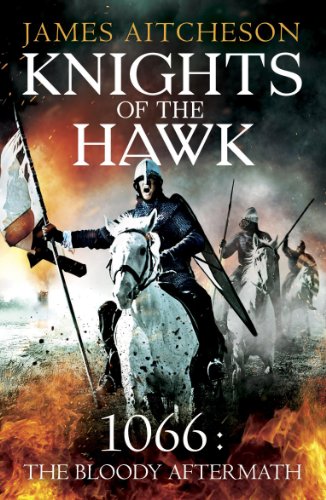
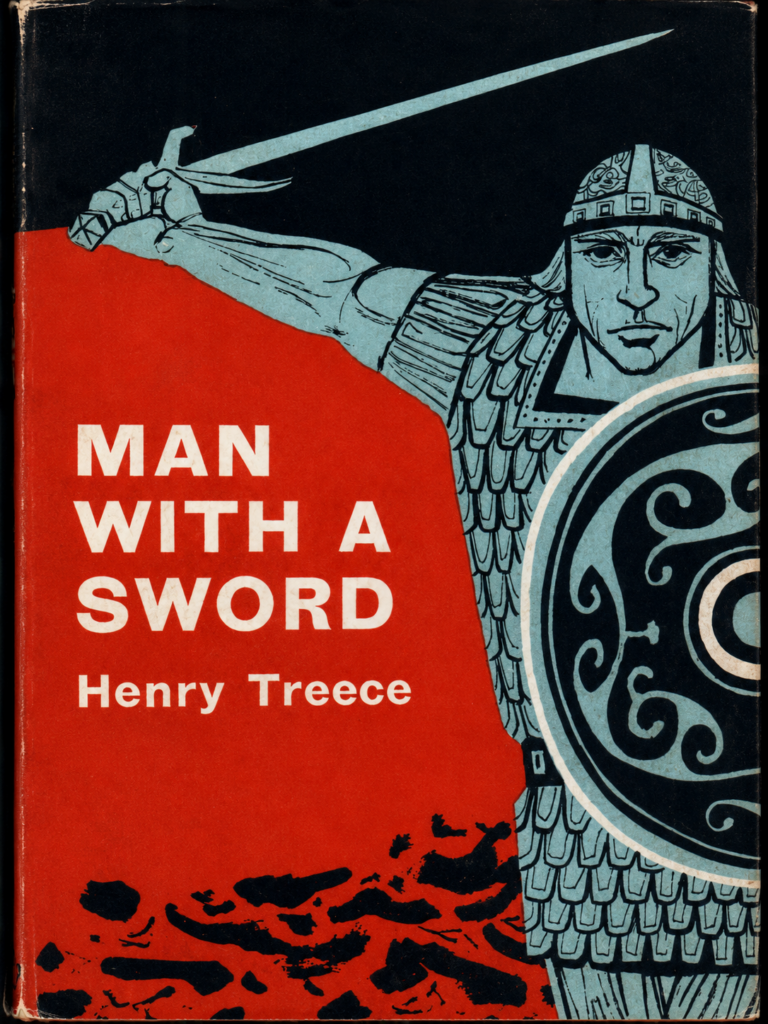
In James Aitcheson’s Knights of the Hawk, William the Conqueror’s army surrounds the Isle of Ely, where Hereward the Wake and other English rebels use marshland, waterways and fortified approaches to frustrate repeated Norman attacks. Tancred joins the campaign hoping to restore a reputation damaged by earlier failures, but conventional cavalry and siege methods are ill suited to a landscape controlled by boats, causeways and local knowledge. In Henry Treece’s Man with a Sword, after the Norman victory at Hastings, Hereward remains one of the few English leaders still prepared to resist William the Conqueror.