Historical person
Georgy Zhukov
1896–1974
Georgy Konstantinovich Zhukov rose from cavalry service in the Russian imperial army to senior command in the Red Army. He defeated Japanese forces at Khalkhin Gol in 1939 and became Chief of the General Staff shortly before Germany invaded the Soviet Union in 1941.
During the Second World War Zhukov played leading roles in the defence of Moscow, the battles around Leningrad and Stalingrad, Operation Bagration and the final advance on Berlin. After the war he served in occupied Germany and later became Soviet defence minister, though his political position repeatedly shifted under Stalin and Khrushchev.
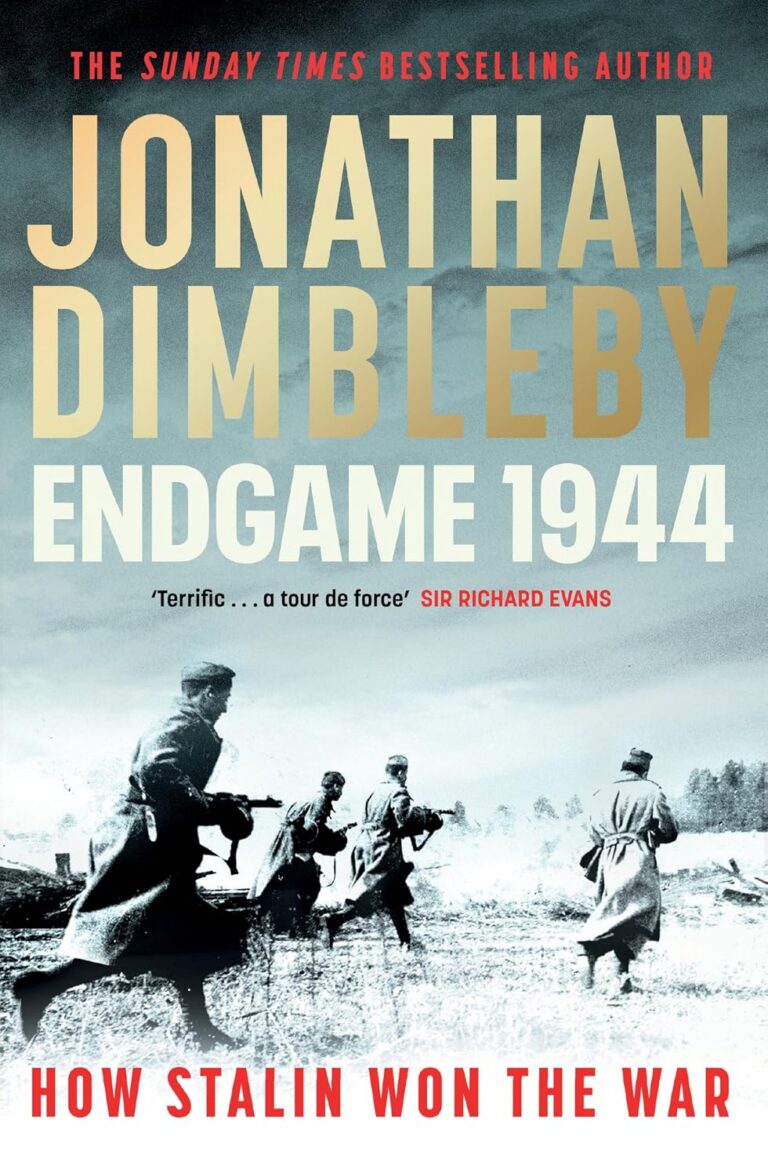
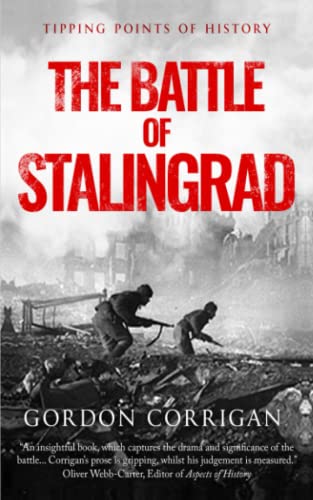
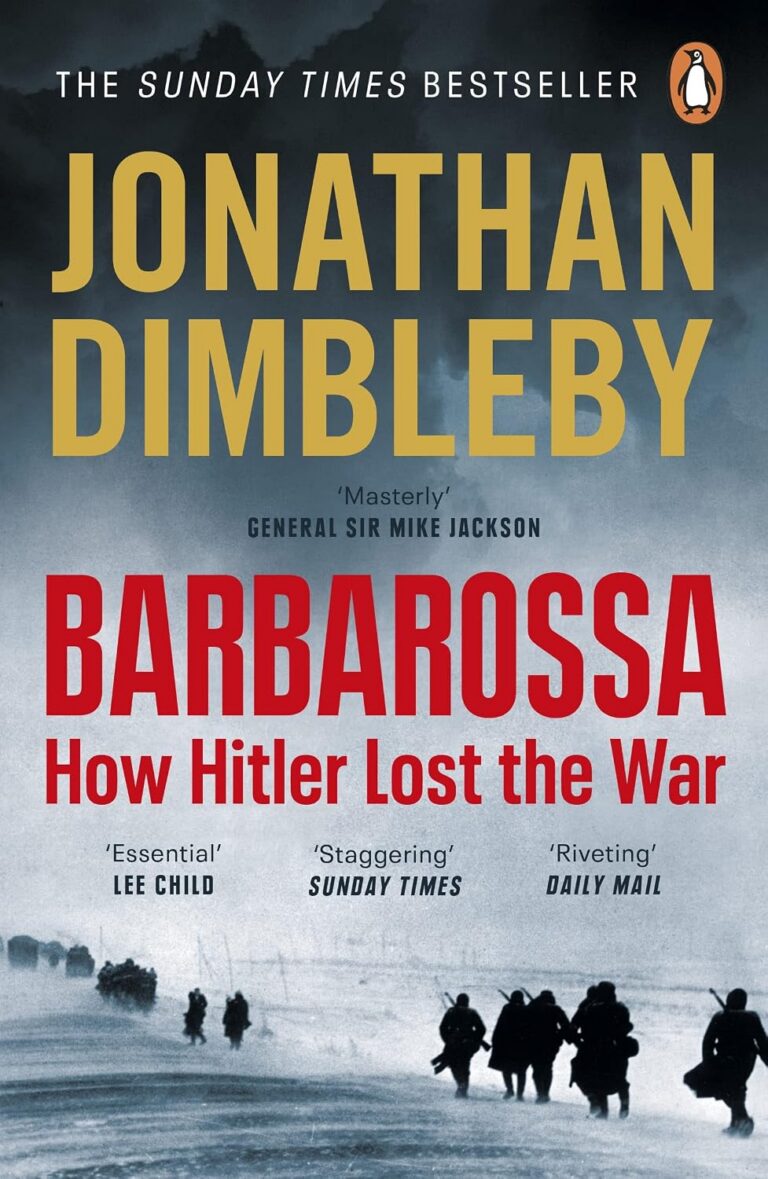
Jonathan Dimbleby’s Barbarossa places Georgy Zhukov among the Soviet commanders forced to respond to Germany’s invasion in 1941, tracing the enormous military and political pressure under which the Red Army recovered from its initial disasters. Endgame 1944 follows the later Soviet offensives that carried the war westward, when commanders of Zhukov’s stature were directing formations capable of destroying entire German army groups and approaching the borders of the Reich. Gordon Corrigan’s The Battle of Stalingrad concentrates on the campaign in which Soviet high command planned the encirclement of the German Sixth Army. Zhukov’s role belongs to the operational coordination behind that reversal, linking the defence of Stalingrad to the larger Soviet effort to regain strategic initiative.
Non Fiction
Non Fiction featuring Georgy Zhukov (3 books)
Biographies, histories and other non-fiction are listed separately from the historical novels above.