
Historical person
Francis Marion
Francis Marion (c. 1732–1795), widely known as the “Swamp Fox”, was a South Carolina planter, militia commander and politician who became one of the most celebrated Patriot leaders of the American Revolution. After earlier service in the Cherokee War, he joined the Continental forces and fought at Sullivan’s Island and the unsuccessful siege of Savannah. Following the British capture of Charleston in 1780, Marion led small, mobile militia units through the swamps and forests of the South Carolina Lowcountry, attacking supply routes, communications and isolated posts before withdrawing beyond the reach of larger British forces. His elusive campaigns earned him his enduring nickname and helped maintain Patriot resistance after conventional American armies had suffered serious defeats.
Marion operated in the South Carolina low country with small militia forces that used local knowledge, mobility and dispersed operations against British and Loyalist positions. After the war he served in the South Carolina legislature and supported measures intended to reconcile former Loyalists with the new state. Nineteenth-century biography and folklore greatly enlarged his legend, helping create the enduring image of the resourceful ‘Swamp Fox.’
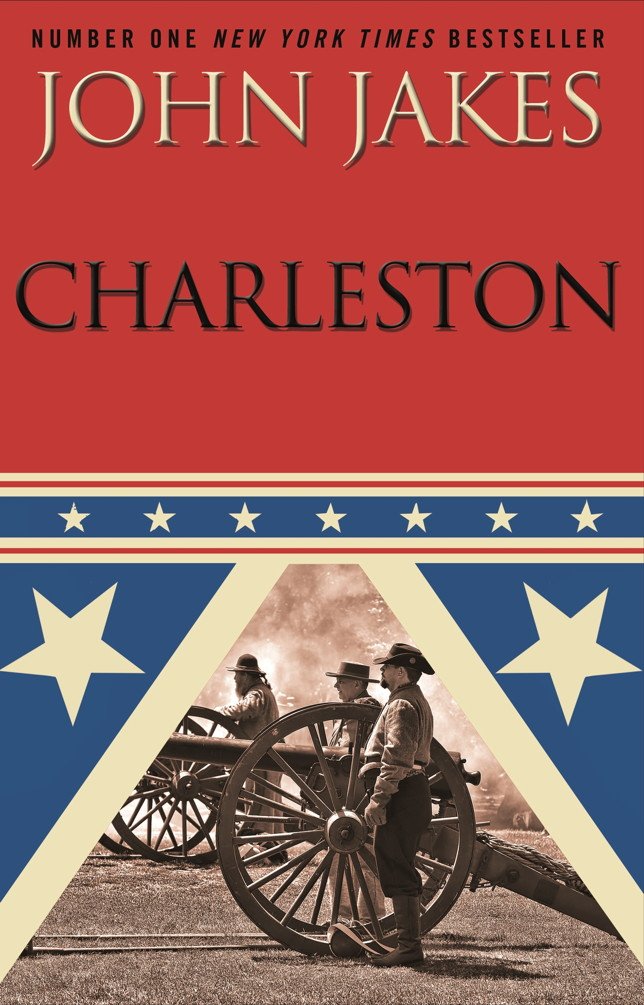
John Jakes’ Charleston brings Francis Marion into the opening Revolutionary generation of the Bell family saga. Edward Bell fights alongside Marion in South Carolina, placing the fictional family within the irregular Patriot warfare for which the “Swamp Fox” became famous. Jakes then follows later generations into the slaveholding antebellum world and the Civil War, allowing Marion’s struggle for independence to become an early point of comparison with the unresolved contradiction between revolutionary liberty and slavery.
Standalone books
Standalone books featuring Francis Marion (1 book)