Books
2 Best Novels About nineteenth-century Chile
Bestselling authors first, then star rating.

As an Amazon Associate, I earn from qualifying purchases.
Purchases made through qualifying Amazon links may earn Historical Bookshelf a small commission at no extra cost to you. Read the Amazon affiliate disclosure.
Period
1830–1891 CE
After the political conflicts that followed independence, Chile developed a centralised conservative republic under the constitutional settlement of 1833. Valparaíso became a major Pacific port, mining and agriculture supported export growth, and commercial links tied Chile to Britain, California and the wider Atlantic economy. Political participation remained narrow and social hierarchy was pronounced.
Liberal reform expanded during the later nineteenth century, but conflicts over church, education, regional power and presidential authority continued. Territorial expansion in the south and the War of the Pacific altered the state’s resources and boundaries. By the presidency of José Manuel Balmaceda, disputes between the executive and Congress had become severe enough to produce civil war.
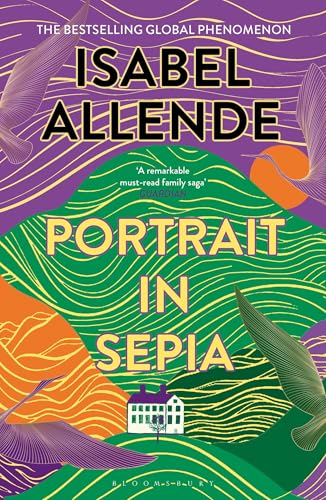
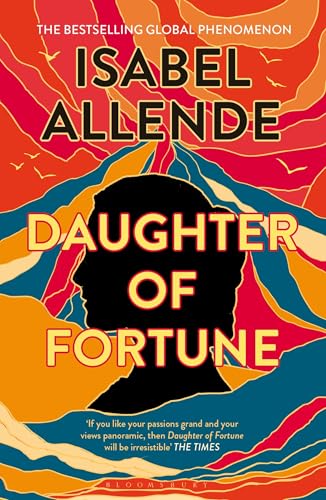
Daughter of Fortune and Portrait in Sepia use this period for migration, family formation, memory and the movement between Valparaíso, Santiago and California. My Name Is Emilia del Valle returns to Chile at the century’s end, linking journalism and personal identity to the breakdown of the political settlement in 1891.
Books
Bestselling authors first, then star rating.