Books
1 Best Novel About Dahir al-Umar and autonomous Galilee
Bestselling authors first, then star rating.

As an Amazon Associate, I earn from qualifying purchases. This means if you click on a link and make a purchase, I may receive a small commission at no extra cost to you.
Phase
c. 1730–1775 CE
From the 1730s, Dahir al-Umar emerged as the leading Zaydani ruler in Galilee, consolidating Tiberias, Safed, Nazareth and surrounding districts. He later made Acre his principal base, fortified ports and expanded his influence across northern Palestine while remaining formally within the Ottoman imperial system.
His autonomy rested on tax farming, military force, alliances and the profitable cotton trade. Dahir promoted security and urban growth and worked with Muslim, Christian and Jewish communities, but his rule also depended on family power, coercion and shifting regional alliances. Rivalry among his sons weakened the regime, and an Ottoman campaign ended it with Dahir’s death at Acre in 1775.
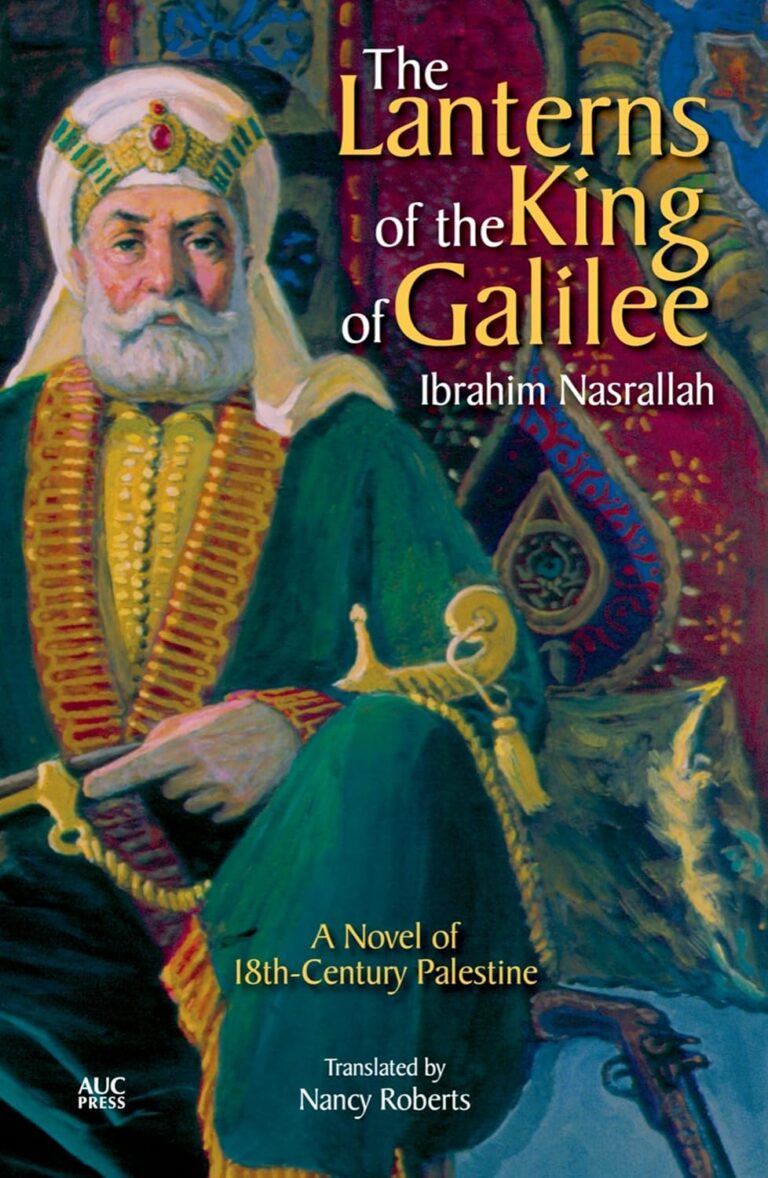
This context supports fiction about eighteenth-century Ottoman Palestine, Acre and Tiberias, local state-building, trade, religious pluralism, dynastic conflict and rebellion against imperial centralisation. It is the central historical setting of Ibrahim Nasrallah’s The Lanterns of the King of Galilee.
Books
Bestselling authors first, then star rating.