Books
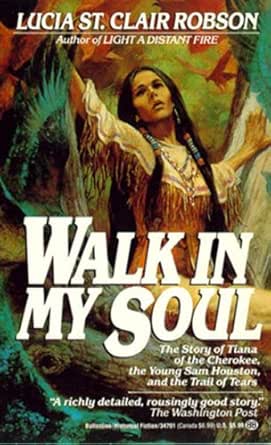
2 Best Novels About Cherokee Removal and Eastern Band Survival
Bestselling authors first, then star rating.

As an Amazon Associate I earn from qualifying purchases. Affiliate disclosure.
Phase
1819–1839 CE
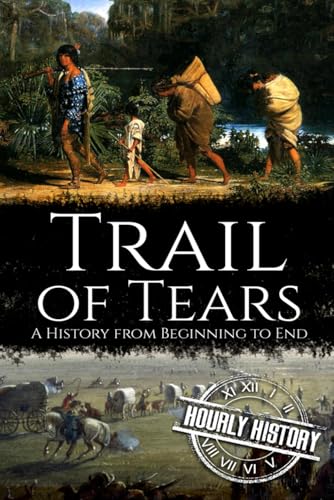
Federal and state pressure on Cherokee land intensified after the Indian Removal Act of 1830. The Treaty of New Echota provided the asserted legal basis for removal, and United States troops confined and expelled thousands of Cherokee people in 1838 and 1839 in the forced migration remembered as the Trail of Tears.
Not every Cherokee person was removed. Some residents of western North Carolina held individual land or received permission to remain, and others escaped or returned. With legal and financial assistance from William Holland Thomas, these communities secured land that became central to the Eastern Band of Cherokee Indians.
This context supports fiction about Cherokee political resistance, land ownership, forced removal and the survival of Cherokee communities in the southern Appalachians. Thirteen Moons fictionalises this history through Will Cooper and the chief called Bear.
Books
Bestselling authors first, then star rating.
Non-Fiction
Histories, biographies and reference works are listed separately from the historical novels above.