
Historical person
Terence
c. 195/185–c. 159 BCE
Publius Terentius Afer, known as Terence, was a Roman comic playwright of North African origin whose six surviving plays were first produced between 166 and 160 BCE. Ancient biographical tradition says that he came to Rome as an enslaved person, was educated in the household of the senator Terentius Lucanus and was later freed. The details cannot all be independently verified, but his cognomen Afer and the ancient tradition firmly connect his remembered identity with Africa.
Terence adapted Greek New Comedy, especially plays by Menander and Apollodorus, into Latin works noted for polished dialogue, carefully constructed double plots and close attention to family relationships, social obligation and misunderstanding. All six comedies survive complete, an exceptional record for Republican drama, and they became central school texts in medieval and Renaissance Europe. Ancient sources disagree about his birth year and report that he died young after travelling east; the circumstances of his death remain uncertain.
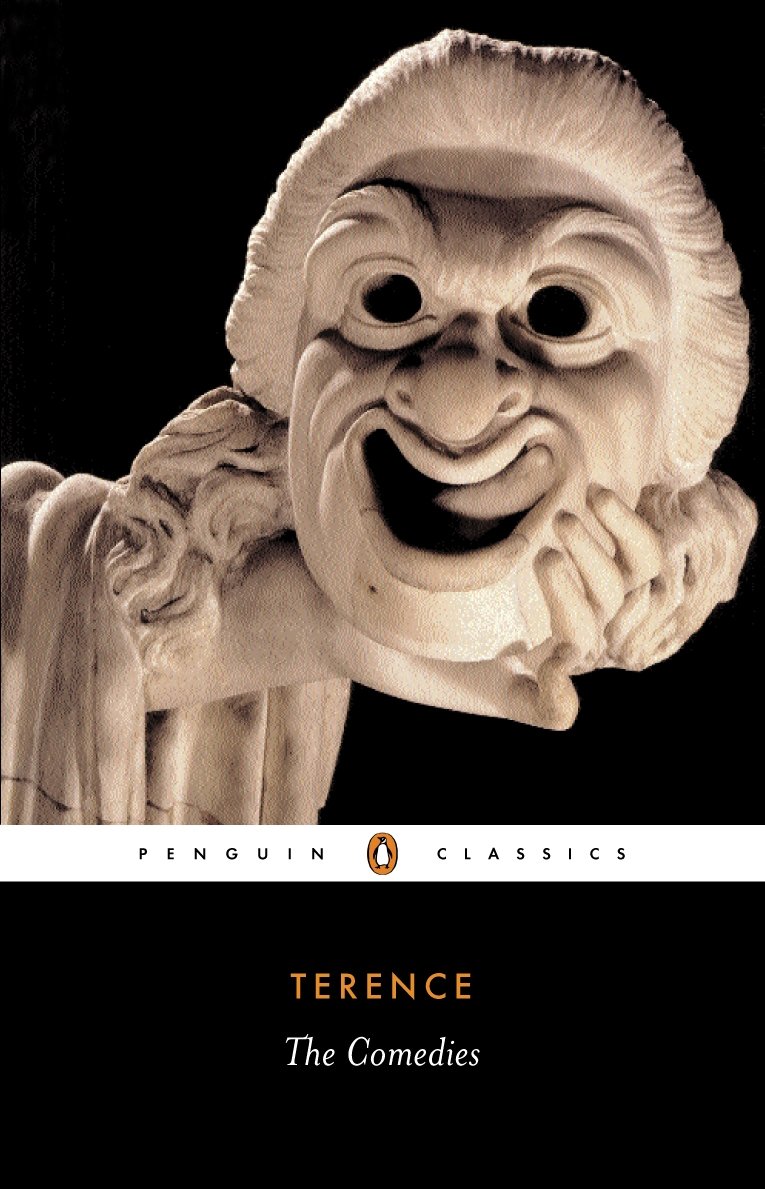
The linked The Comedies is Terence’s own surviving dramatic corpus rather than a later book in which he appears as a character. It brings together works such as Andria, Eunuchus, Phormio and Adelphoe, through which his historical importance is most directly encountered. Their transmission through schools and manuscript culture made Terence one of the most influential classical authors on later European comedy.
Standalone books
Standalone books featuring Terence (1 book)