As an Amazon Associate I earn from qualifying purchases. Affiliate disclosure.

Home / Authors / Mel Starr

Author

Mel Starr

17 fiction

Mel Starr is an American historical novelist whose work is rooted in a long academic interest in medieval England. Born and raised in Kalamazoo, Michigan, he earned an MA in History from Western Michigan University in 1970 and subsequently taught history in Michigan public schools for thirty-nine years, retiring in 2003 after serving as chairman of the social studies department at Portage Northern High School. His particular interests in medieval medicine, law and English social history became the foundation of his fiction, which tends to emphasise the practical realities of fourteenth-century life rather than romanticised medieval spectacle.

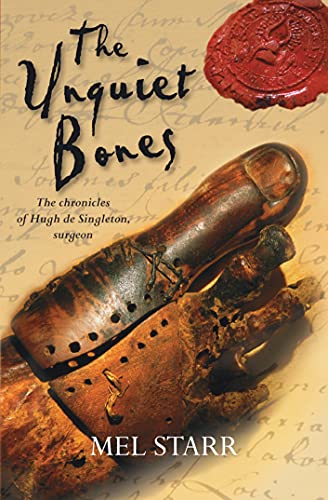
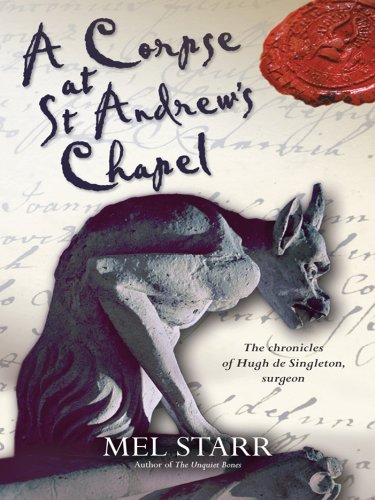
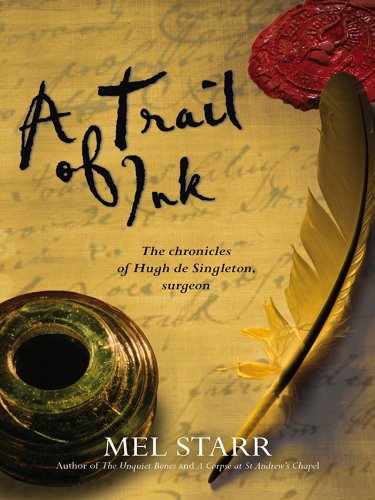
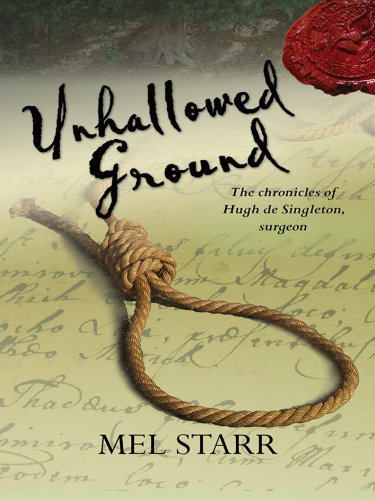
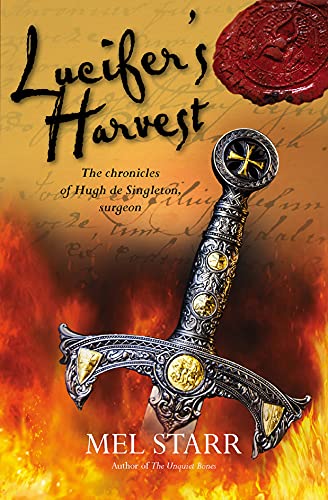
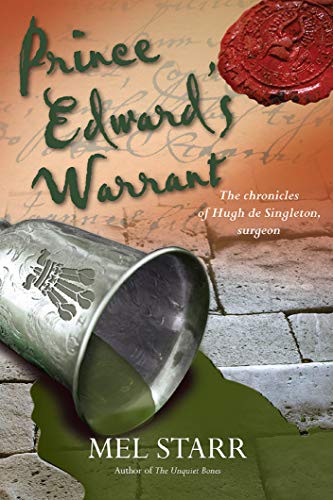
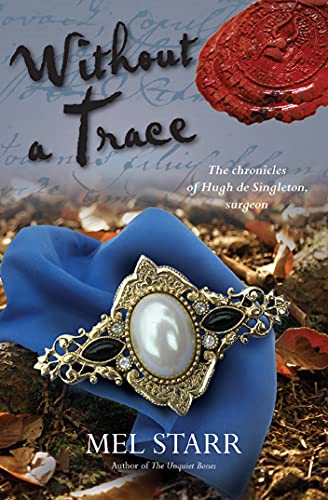
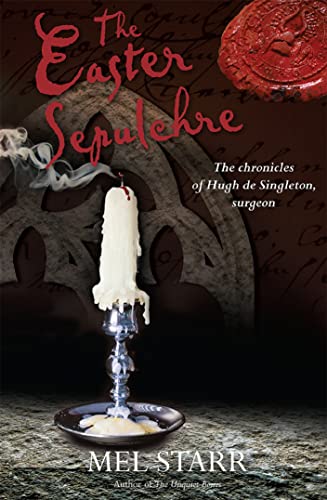
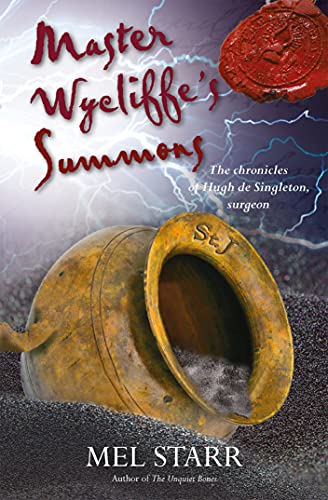
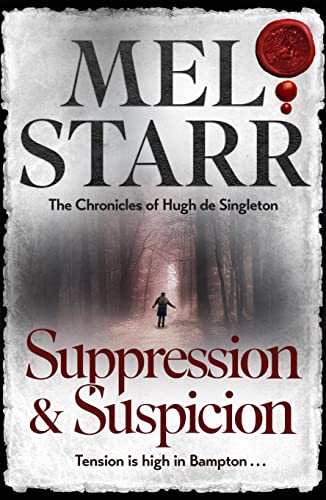
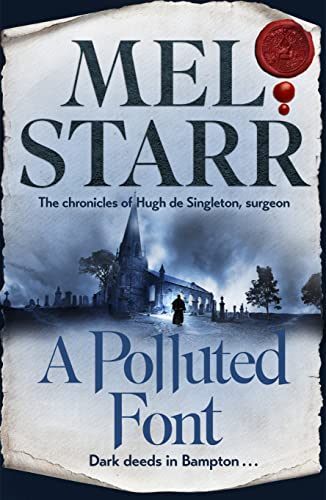
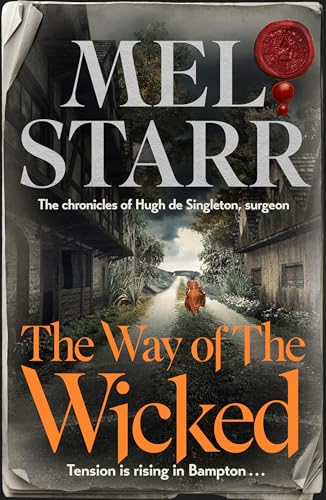
Starr is best known for The Chronicles of Hugh de Singleton, Surgeon, a seventeen-book historical mystery series beginning with The Unquiet Bones. Hugh is a Paris-trained surgeon who becomes bailiff to Lord Gilbert Talbot at Bampton in Oxfordshire and repeatedly investigates suspicious deaths using observation, medical knowledge and the limited forensic techniques available in the fourteenth century. The series includes A Corpse at St Andrew’s Chapel, A Trail of Ink, Unhallowed Ground, The Tainted Coin, Rest Not in Peace, The Abbot’s Agreement, Ashes to Ashes, Lucifer’s Harvest, Deeds of Darkness, Prince Edward’s Warrant, Without a Trace, The Easter Sepulchre, Master Wycliffe’s Summons, Suppression and Suspicion, A Polluted Font and The Way of the Wicked. The real theologian John Wycliffe appears repeatedly, helping anchor Hugh’s investigations in the religious, intellectual and social world of later fourteenth-century England.

Historical fiction

Historical fiction series by Mel Starr (1 series)

The Chronicles of Hugh de Singleton, Surgeon in Order

by Mel Starr 17 books 4.2(32,327)

The Chronicles of Hugh de Singleton, Surgeon follow a Paris-trained medieval surgeon who becomes bailiff to Lord Gilbert Talbot at Bampton in Oxfordshire. Beginning in the mid-1360s, Hugh applies medical observation, practical reasoning and the authority of his manor office to deaths and disappearances that local custom, reputation…