Non-Fiction
2 Best Non-Fiction Books About World Wars Intelligence & Espionage
Histories, biographies and reference works are listed separately from the historical novels above.

As an Amazon Associate I earn from qualifying purchases. Affiliate disclosure.
Period
1914–1945
The two world wars greatly expanded the scale and professional organisation of intelligence. Governments relied on clandestine agents, intercepted communications, aerial reconnaissance, interrogation and increasingly specialised administrative systems to collect and assess information.
Intelligence networks often depended on civilians as well as uniformed personnel. Couriers, railway observers, translators, clerks, wireless operators and resistance workers could all become essential to operations, particularly in occupied territories where ordinary movement and communication were closely monitored.
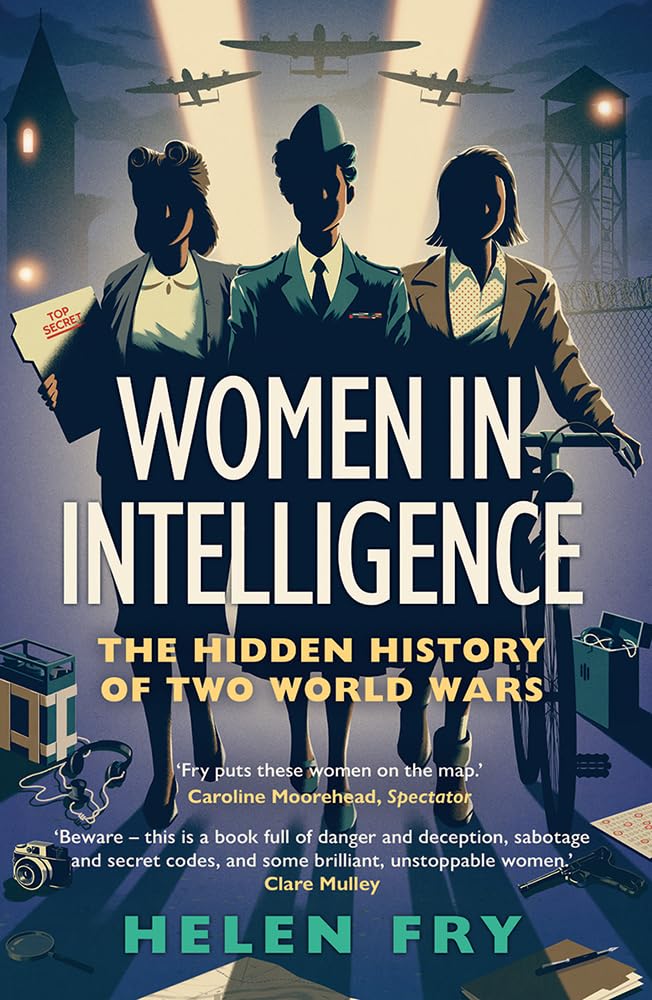
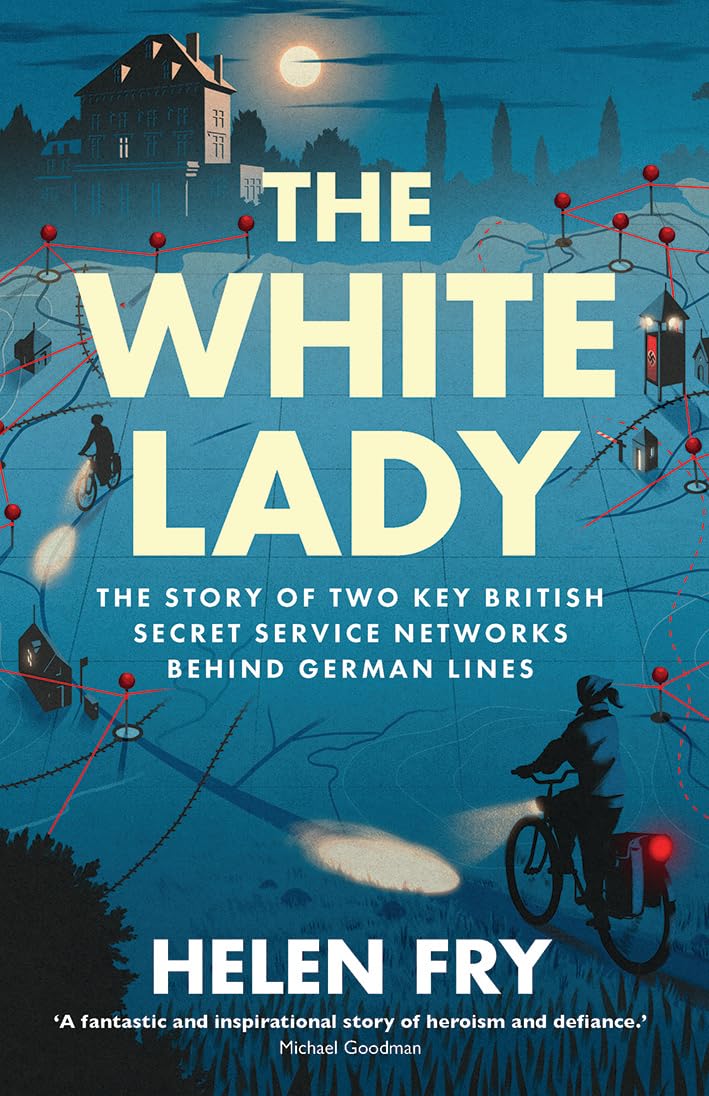
This broad context supports histories that deliberately span both world wars rather than belonging naturally beneath only one conflict, including Helen Fry’s work on Belgian intelligence networks and women’s participation in British intelligence.
Non-Fiction
Histories, biographies and reference works are listed separately from the historical novels above.