
Historical person
Benjamin Duniway
1830–1896
Benjamin Charles Duniway was an Oregon pioneer and farmer whose family life became closely connected with the career of suffrage leader Abigail Scott Duniway. Born in Illinois in 1830, he travelled to Oregon Territory in 1850 and married Abigail Jane Scott in Yamhill County in 1853. The couple farmed in the Willamette Valley and raised six children. Their early household experienced the financial insecurity common to many settler families, including the loss of property after a debt for which Benjamin had stood security went unpaid.
A serious accident involving a runaway team left Benjamin permanently disabled and greatly reduced his ability to support the household. Abigail consequently returned to teaching, opened a millinery business and later developed the newspaper and lecture career that made her a leading western suffragist. Contemporary accounts of her life stress that Benjamin supported her public work despite the unconventional gender roles it created within their marriage. He died in 1896 and was later buried with Abigail at River View Cemetery in Portland.
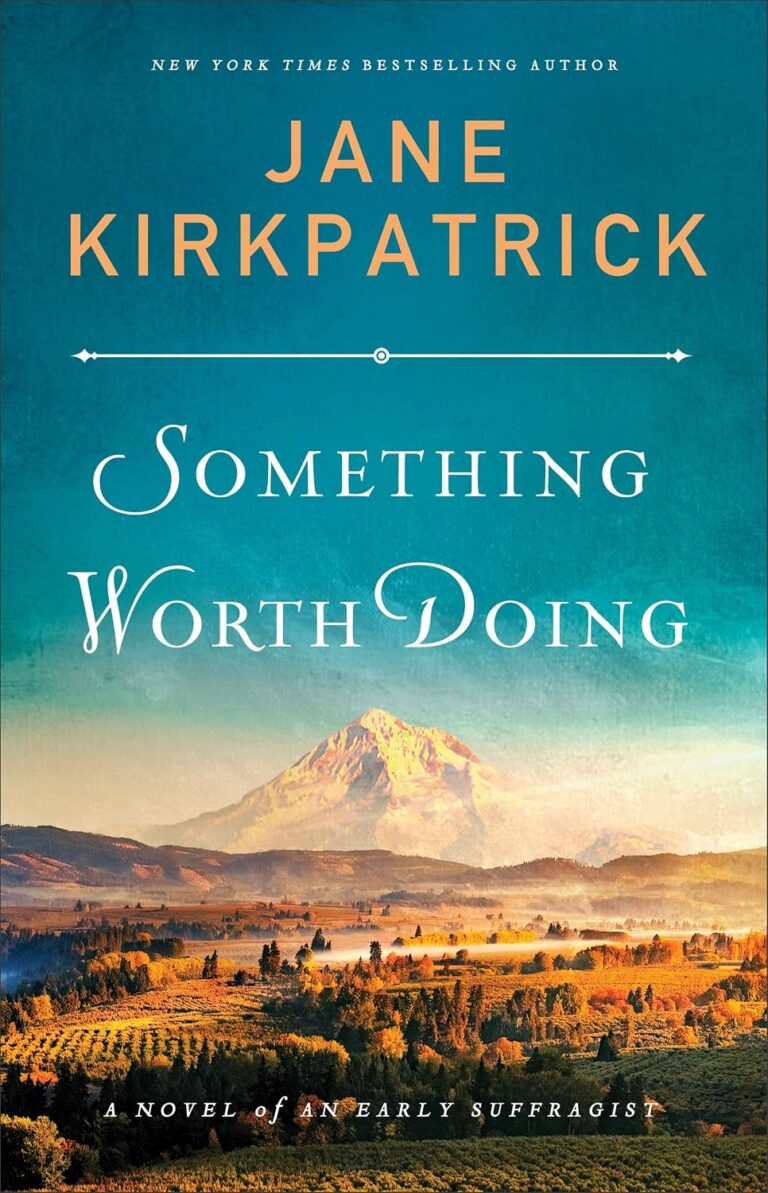
Jane Kirkpatrick’s Something Worth Doing tells Abigail Scott Duniway’s life with Benjamin Duniway as a continuing part of the domestic reality behind her public career. Marriage, injury, financial insecurity and the need to support a growing family push Abigail into teaching, business and newspaper work, while her suffrage campaigning increasingly claims time and emotional energy from the household. Benjamin is therefore not merely identified as her husband: the novel uses their marriage to measure the cost of reform, the practical dependence between spouses and the tensions created when a nineteenth-century woman insists that public work can be as legitimate as domestic duty.
Standalone books
Standalone books featuring Benjamin Duniway (1 book)