Non-Fiction
2 Best Non-Fiction Books About Muslim Conquest of Iberia
Histories, biographies and reference works are listed separately from the historical novels above.

As an Amazon Associate I earn from qualifying purchases. Affiliate disclosure.
War
711–718
In 711 an army commanded by Tariq ibn Ziyad crossed from North Africa and defeated the Visigothic king Roderic. Further forces arrived under Musa ibn Nusayr, and campaigns, negotiated submissions and local alliances brought most of the Iberian Peninsula under Umayyad authority within a few years.
The speed of the conquest reflected Visigothic political division as well as military defeat. Christian-ruled territories survived in parts of the north, while the new province of al-Andalus became part of the Umayyad world. The identities and motives of local collaborators, including the figure later called Count Julian, remain disputed.
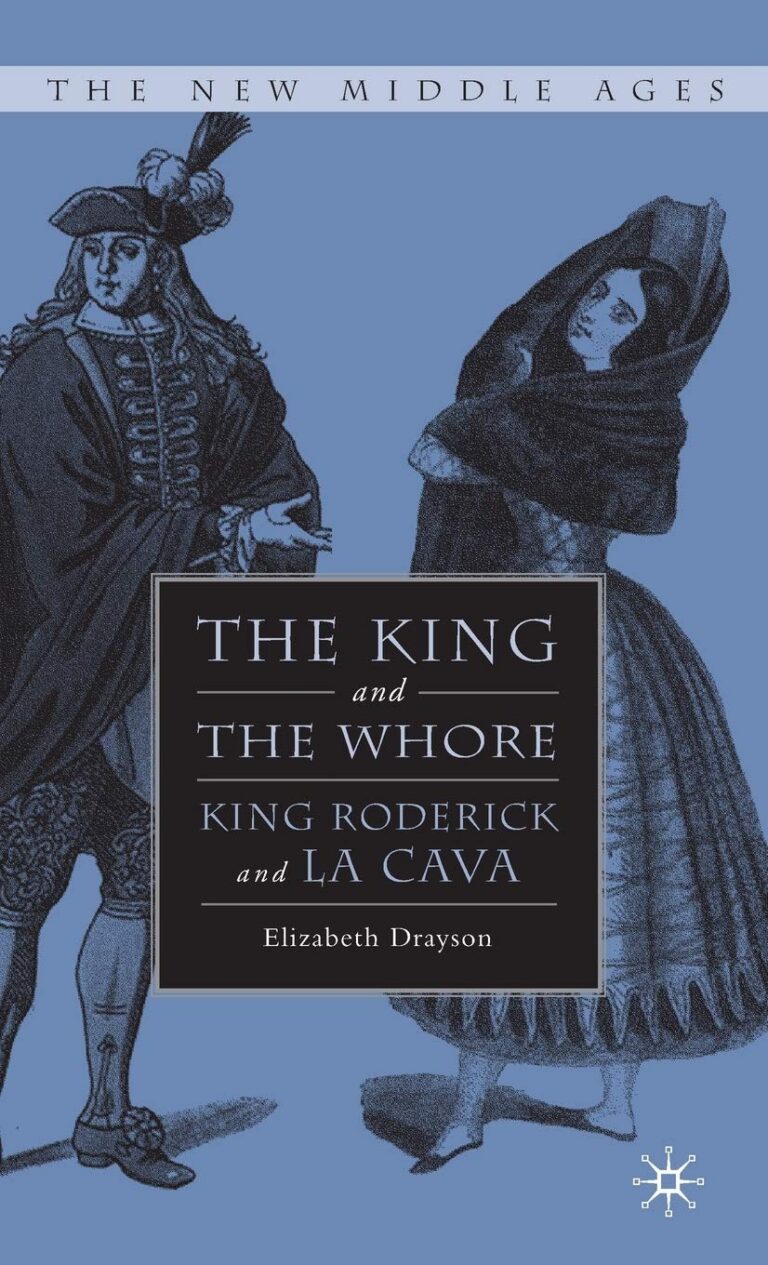
The conquest generated a powerful body of legend. Stories of Roderic and Florinda la Cava converted a complex political transformation into a moral narrative of sexual wrongdoing and revenge. Elizabeth Drayson’s The King and the Whore separates the fragmentary history of 711 from the much later literary tradition.
Non-Fiction
Histories, biographies and reference works are listed separately from the historical novels above.